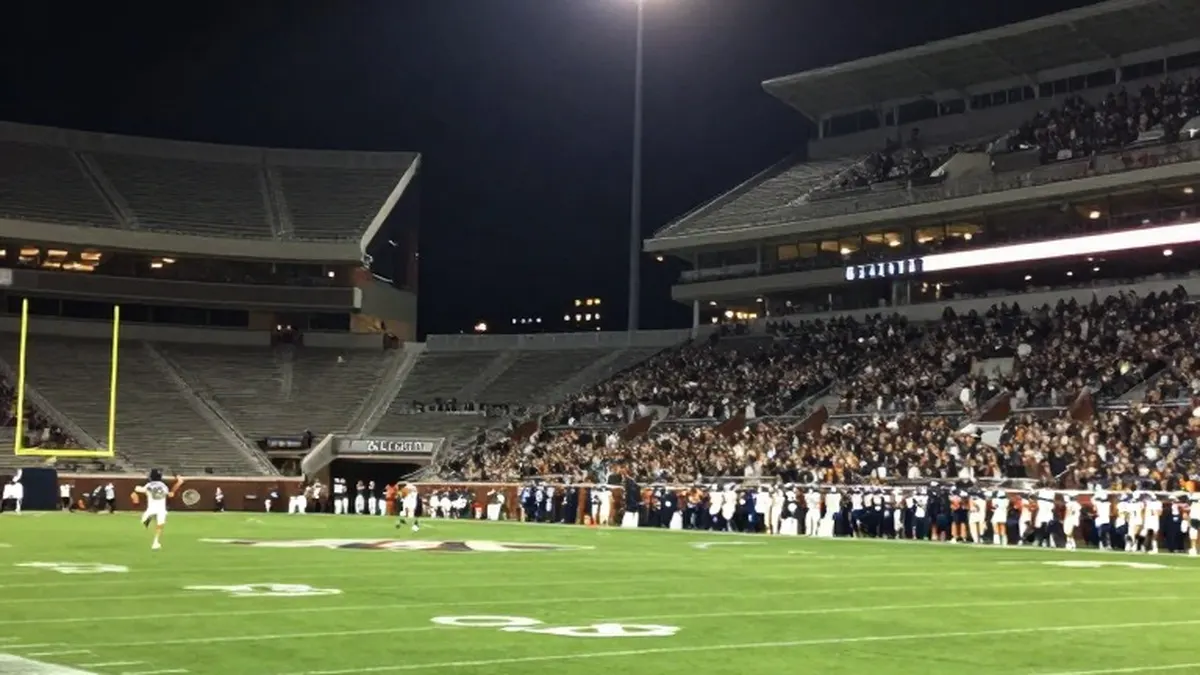
Two decades have passed since University of Miami football star Bryan Pata was fatally shot, yet his family continues to seek closure. Although 2026 was hoped to bring a final verdict, the legal process has been marked by a mistrial in March followed by eight months of procedural disputes. These conflicts have involved jailhouse informants, an investigation into the lead detective, allegations of bribery against defense lawyers, and efforts to disqualify the presiding judge.
Edwin Pata, Bryan's older brother, noted on the 20th anniversary of the November 7, 2006, death that the family is now aligned with the prosecution and police. The family has long cited 15 years of perceived police missteps between the killing and the 2021 arrest of Rashaun Jones, Pata's former teammate. Edwin Pata expressed a desire for the public to understand Bryan as a human being who intended to do good, rather than just a football star.
Bryan Pata, who died at age 22, was the youngest of nine children of Haitian immigrants. He grew up in the Little Haiti section of Miami and hoped to use his athletic career to lift his family out of poverty. Standing at 6 feet 4 inches and weighing 280 pounds, the defensive tackle was nearing a potential high-round selection in the NFL draft when he was killed.
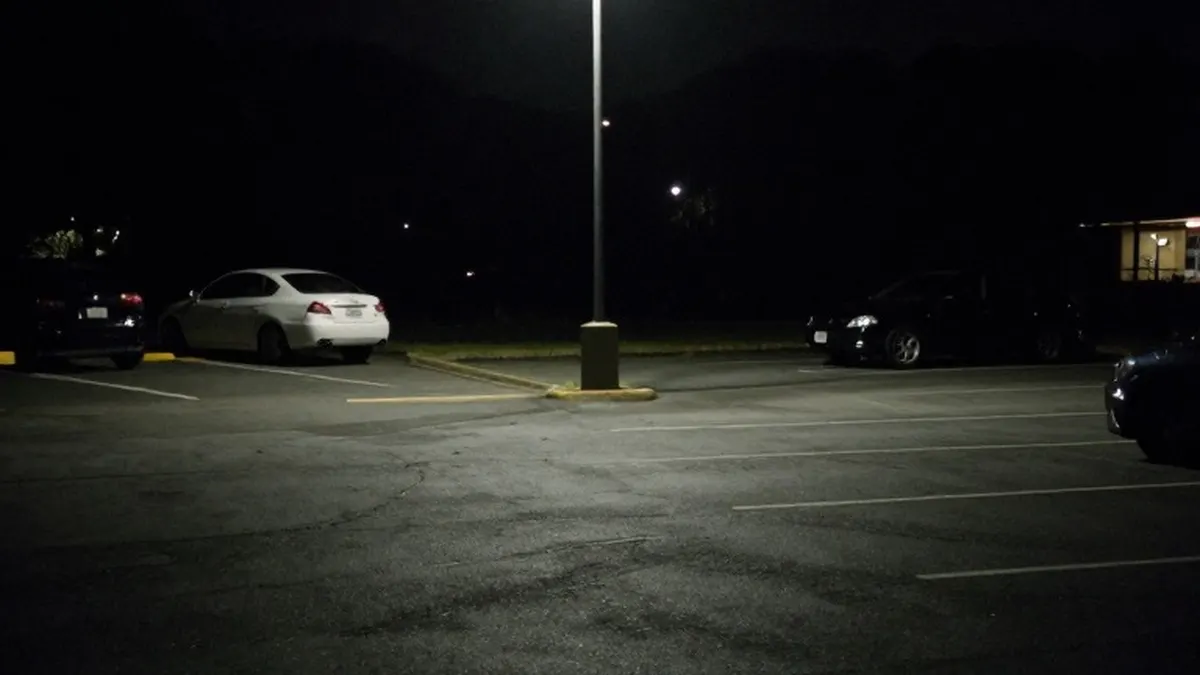
Prosecutors allege that Jones shot Pata in an apartment complex parking lot shortly after practice. The motive is said to be jealousy over a woman Pata was dating and Pata's success while Jones faced a suspension for a second failed drug test. No gun was recovered, and no direct witness observed the shooting. Jones has denied the charge, arguing the evidence is circumstantial and that police failed to pursue other leads. He has remained in custody for over five years.
Recent case files indicate that police identified Jones as a suspect years before his arrest. A six-member jury failed to reach a unanimous decision in March, leading Judge Cristina Miranda to declare a mistrial. Since then, legal disputes have overshadowed the core facts of the case. Edwin Pata, who previously coached at Miami, criticized the defense team for creating distractions that delayed the proceedings.
In September, Jones' attorneys filed their fourth request to disqualify Judge Miranda, alleging bias. The judge rejected the motion as legally insufficient, and the defense appealed to the Florida 3rd District Court of Appeals. The Florida Association of Criminal Defense Lawyers in Miami filed an amicus brief supporting the removal of the judge. The brief cites instances where Miranda allegedly made untrue statements and showed prejudice against the defense counsel.
The brief argues that Miranda issued threats to defense attorneys, suggesting that seeking legal representation implied wrongdoing. It also references a hearing where the judge threatened to have a bailiff remove a defense attorney who continued to speak. The Florida Office of the Attorney General represents the judge in these appellate proceedings but has not yet responded to the disqualification request.
Tensions have also arisen regarding lead detective Juan Segovia, who was investigated for using an anonymous social media account to make derogatory comments during the trial. The judge ruled that these actions did not unduly influence the jury. Additionally, disputes continue over a jailhouse informant named George Jones, who claims to have heard a confession from the defendant. While George Jones denies being bribed to withhold testimony, a former cellmate of his suggested otherwise, leading to ongoing investigations and debates in court.
Edwin Pata stated that he wants to keep the focus on his brother's life and legacy. He believes that if Bryan had lived, he would likely be retired from the NFL by now. Edwin Pata envisions his brother still being the centerpiece of the family, perhaps running youth football camps in Little Haiti and giving back to the community that shaped him.
The family remains resilient as they prepare for the retrial scheduled for February. They hope this next chapter will finally provide the justice that has been delayed for twenty years.