The Israel Defense Forces announced on Thursday that it has recovered more than 300,000 items of military equipment during a special collection drive. The campaign, which offered legal immunity to soldiers who returned gear illegally held by them, has been extended by two days to Monday due to its success.
The program began on November 1 with the opening of 62 collection stations at army bases across the country. The initiative allowed standing army personnel and reservists to return weapons and equipment without identifying themselves and without facing prosecution for unlawful removal, possession, or carrying of the items.
According to the military, the two-week effort yielded a significant haul of materials. In addition to the total count of over 300,000 items, the IDF detailed the recovery of approximately 210 firearms. The collection also included 3,800 stun grenades, fragmentation grenades, mortars, and launchers.
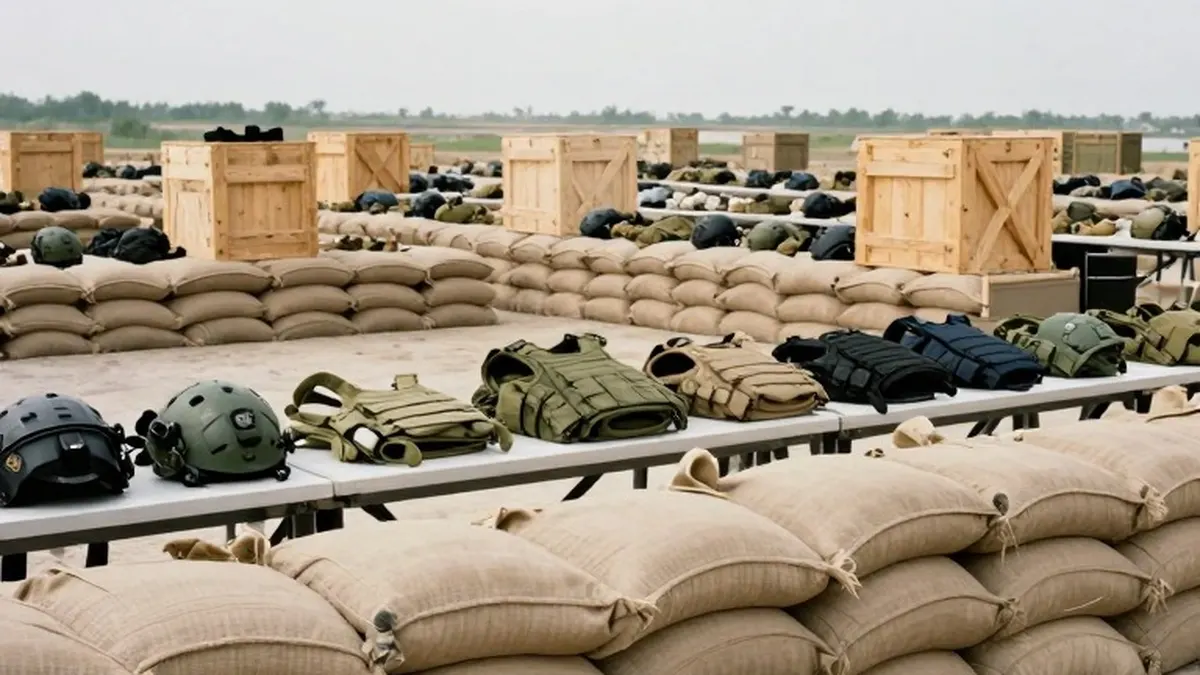
Other recovered items comprised 8,700 uniforms and textile articles, 3,000 weapon accessories, and 1,600 pieces of combat gear such as vests and helmets. The military also reported the return of 430 medical equipment items and tens of thousands of rounds of ammunition.
Among the notable firearms returned were several Kalashnikov rifles that soldiers apparently took during operations in the Gaza Strip and Lebanon. The IDF also recovered an FN MAG machine gun and an Uzi submachine gun, a model that was phased out of service more than 30 years ago.
The primary goal of the operation was to strengthen public safety by ensuring that military weapons are held only by authorized personnel. The IDF stated that the drive was designed to prevent the use of equipment outside the army and to reduce risks associated with storing weapons in unsafe conditions, thereby preventing them from reaching hostile elements.
Col. Moshe Schwartz, a senior officer in the Technology and Logistics Directorate who oversaw the campaign, explained that the IDF worked extensively with the legal system to secure special authorization. This allowed for a no-questions-asked process to encourage soldiers to come forward.
Schwartz noted that the importance of recovering ammunition and weapons that could fall into the wrong hands outweighed other considerations. He emphasized that old and worn-out equipment can be dangerous and should be returned to those who can handle it properly, potentially putting it back into use.
The officer added that tracking equipment quantities is difficult after a three-year war. The ultimate aim is for soldiers to use only standard-issue equipment that is fit for service. The last time the military conducted a similar weapons-return drive was in 2018, with a previous campaign in 2016.