The quiet mountain community of Welches, Oregon, is known for its strong sense of self-reliance, often referred to locally as mountain justice. Residents frequently look to one another for support due to the limited presence of law enforcement in the area. This communal spirit was put to the test in November 2024 when Phoenix Lane, a beloved shopkeeper and artist, failed to show up for her shift at the Hoodland Bazaar. Her absence raised immediate concerns among her friends and coworkers, who knew her to be punctual and dedicated.
When Lane did not appear on Friday, November 22, her boss Sarah Caswell contacted Clackamas County Sheriff's Deputy Aaron Clark. A welfare check was conducted that evening, revealing that Lane, then 61, was not at her home. Her two wolf hybrid dogs, Elrond and Elros, were also missing. The following Saturday, Clark visited Lane's residence to speak with her son Dakota, who lived there with his mother and stepfather, Michel Fournier. Dakota had no idea his mother was missing, as he had been working in Portland and had not seen his father.
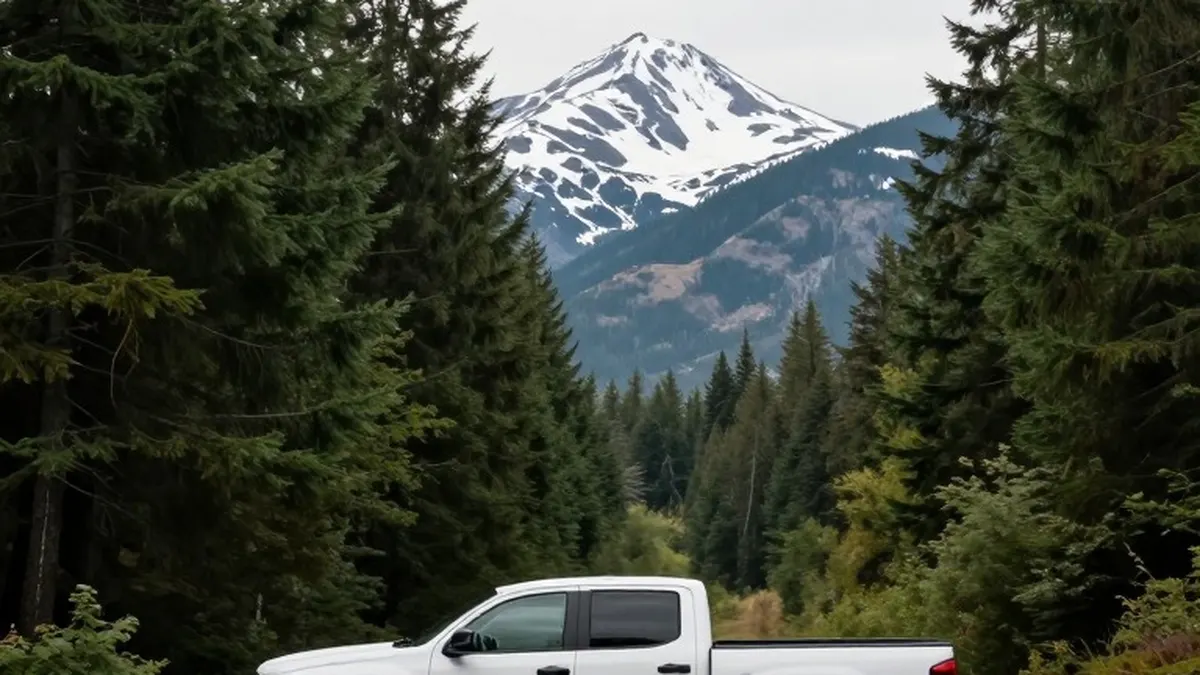
The search gained momentum when neighbor Cari Gesch noticed a white pickup truck parked unusually on Salmon River Road while taking her dog for a run. Recalling a Facebook post from Caswell describing Lane's white Ford F-250, Gesch reported the vehicle to authorities. The truck was located seven miles from Lane's home. This discovery led to an immediate search and rescue operation involving numerous volunteers from local organizations who combed the area for clues.
While officials focused on the area near Salmon River Road, Lane's friends believed she would not have gone there with her dogs, as she preferred off-leash hiking in quieter spots. These friends also raised concerns about Lane's marriage. They told investigators that Lane and Fournier had been struggling, with Fournier described as controlling. Lane had recently served him with divorce papers and was storing personal items at her workplace to protect them from his search of the house.
Investigators interviewed Fournier at the couple's home, where he acknowledged the scrutiny he faced. He claimed he had last seen Lane on Friday morning and had hitchhiked to Portland to buy a car part that day. He stated he believed Lane was seeing someone else and had not returned home. Although suspicious, detectives could not detain him immediately because they did not yet know the status of his wife. They collected DNA and his cell phone while he prepared for a long-haul trucking shift.
The sheriff's office maintained a parallel criminal investigation while the public search continued. This dual approach allowed investigators to track Fournier without tipping him off. The community's vigilance and direct communication with deputies provided crucial leads that accelerated the process. The case highlighted how a tight-knit group of neighbors could fill gaps in law enforcement coverage, ensuring that their missing friend was found.
The disappearance of Phoenix Lane and her dogs drew significant attention to the dynamics of the mountain community. Residents expressed frustration that initial efforts seemed focused solely on a rescue mission rather than a potential crime. However, behind the scenes, detectives were actively pursuing a criminal angle. The combination of local knowledge and official investigation proved vital in navigating the complex circumstances of the case.