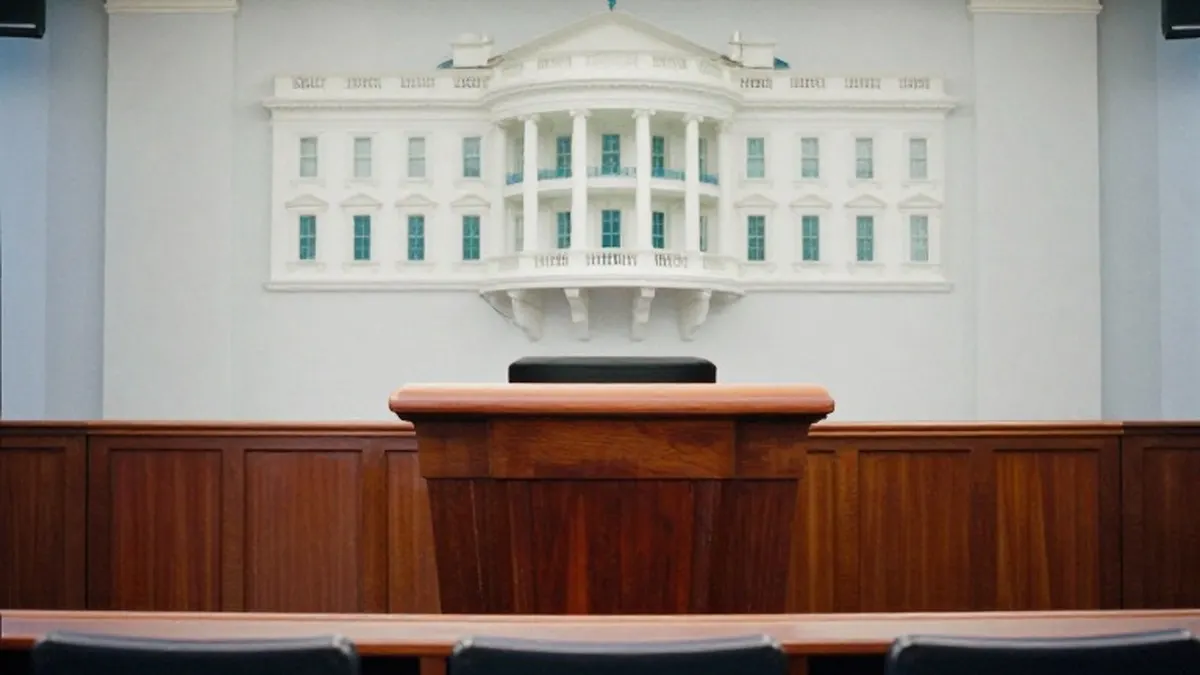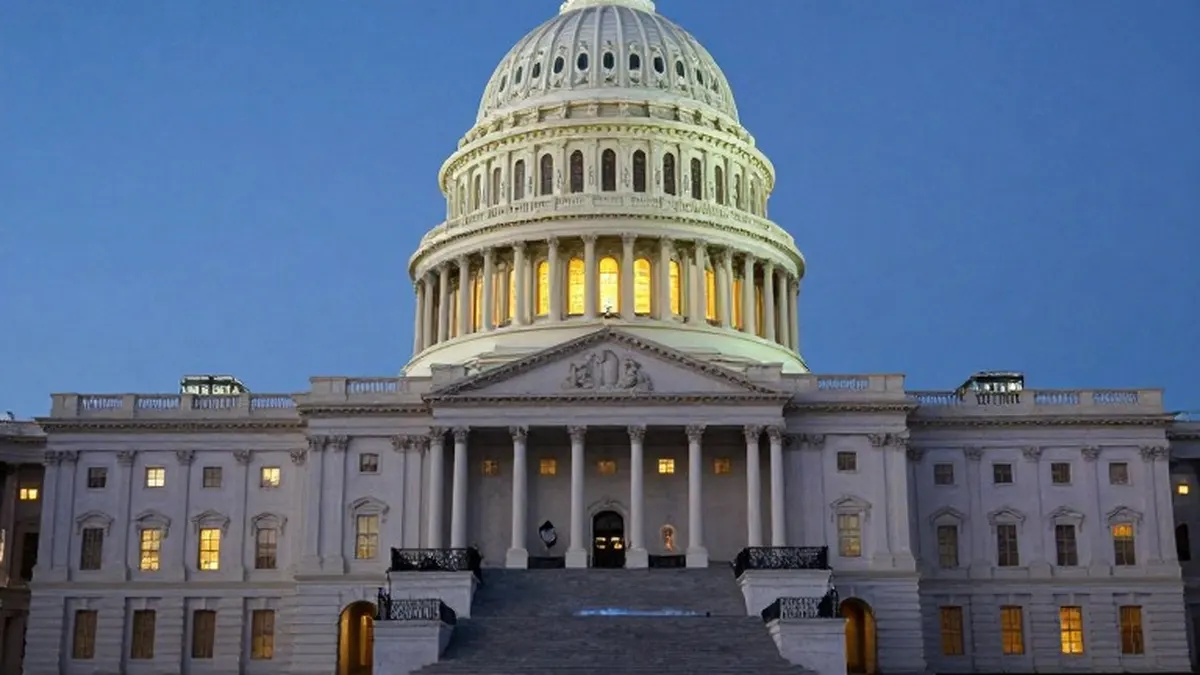
A distinct shift in atmosphere has taken hold on Capitol Hill as lawmakers return to Washington for the first time since the midterm elections. Republicans, described by NBC News analyst Sahil Kapur as shell shocked, are returning as lame ducks with a significant list of unfinished business. Meanwhile, Democrats feel empowered by their substantial victories, which included deep incursions into traditionally red districts amid a voter backlash against President Donald Trump.
The congressional calendar for the next six weeks is packed with critical deadlines. Lawmakers must pass a government funding bill by December 11 to prevent a shutdown, alongside the annual National Defense Authorization Act and a new farm bill. Other urgent items include determining the renewal of FISA Section 702 surveillance, negotiating permitting reform for construction projects, and deciding the fate of a college sports bill. The Senate will also review presidential nominees, while the House considers a resolution to impeach Defense Secretary Pete Hegseth, a move led by Representative Thomas Massie.
Within the Democratic ranks, there is a strong push to leverage their new mandate. Some members argue that the party should use funding negotiations to end the Iran war, refusing to approve new money without congressional oversight. Senator Michael Bennet of Colorado, a moderate, wrote to colleagues on Saturday that voting for billions in additional war funding would be an abdication of responsibility. He urged his peers to reject cloture on any package that includes funding for the conflict.
On the Republican side, a small group of senators is pushing to delay the closed-door meeting scheduled to select the party's leadership team for the next two years. While Senators John Thune, John Barrasso, and Tom Cotton are favored to retain their top positions in the minority, Senator David McCormick of Pennsylvania has voiced dissent. McCormick, who rarely challenges leadership, stated that the party needs to digest the lessons of the election before moving forward with leadership elections. He emphasized the need for a discussion on what went wrong and how to refocus on the concerns of the American people.
There is currently no internal consensus among Republicans regarding the reasons for their decisive loss. Many remain reluctant to explicitly blame President Trump, even though exit polls and results overwhelmingly suggest voters were delivering a rebuke of his leadership. Senator Thune noted that the election provides the party with an opportunity to reflect on what it needs to do better.
The primary question for Trump and his allies is how much they are willing to compromise during this remaining period of maximum leverage. On January 3, Democrats are poised to take power on Capitol Hill, securing some of the largest majorities seen since 2009.
An analysis of NBC News exit poll data by Joelle Gross reveals that millions of Americans who previously voted for Trump backed Democrats in this election. The shift was driven by frustration over the economy and concerns about the state of American democracy. Democrats successfully re-energized young and Latino voters, helping them grab Senate seats in states that had seemed firmly red.
The Democratic success was not limited to mobilizing their base. Candidates in states ranging from Texas to South Carolina to New Hampshire swayed former Trump voters. In some states, the percentage of Trump voters who turned out for Democrats reached double digits. For instance, about 13% of 2024 Trump voters supported Democratic Senator Jon Ossoff in Georgia. Similar double-digit support was seen for James Talarico in Texas and Mark Warner in Virginia.
Nationally, around 7% of former Trump voters opted for Democratic candidates in House elections. In comparison, only 2% of those who voted for Kamala Harris split for Republican House candidates. This data highlights the significant cross-over that fueled the historic Democratic takeover of Congress.