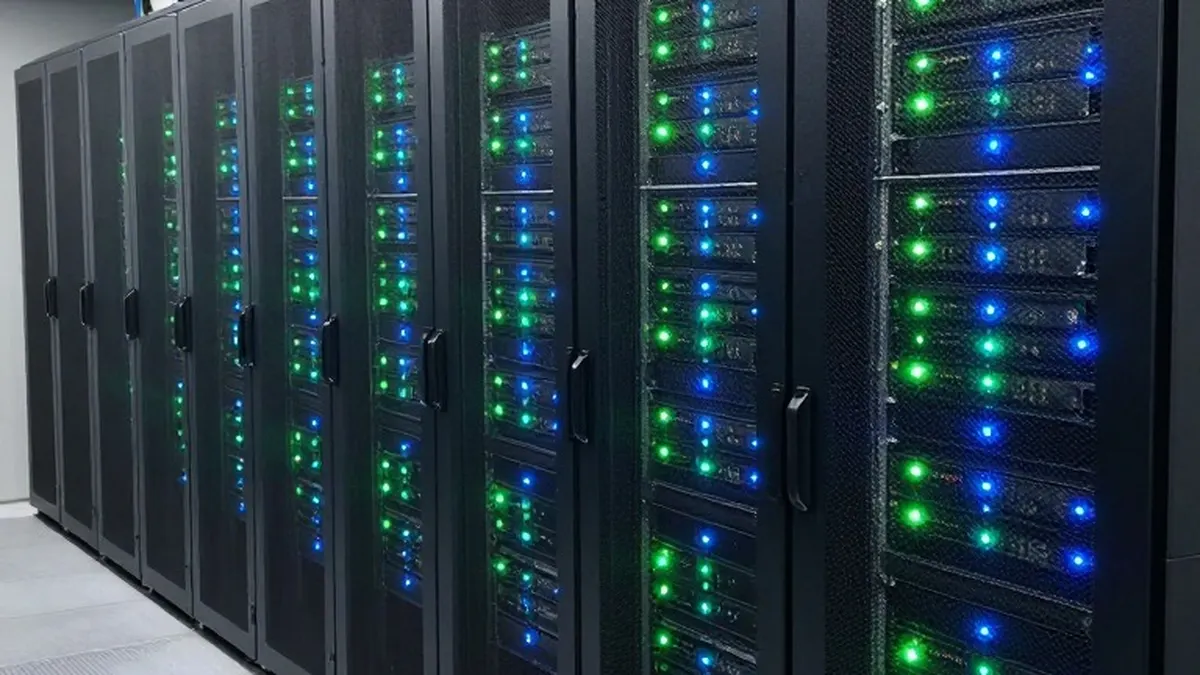
A year after the war in Gaza began, the technical infrastructure supporting Israel's military intelligence community experienced significant disruptions. According to leaked internal documents, these issues included prolonged outages and repeated system crashes that undermined the confidence of Israeli agencies in their primary network provider, Cisco. A confidential memo drafted in September 2025 noted that these events occurred during a period of national conflict and severely impacted critical operations. The problems emerged as intelligence operations underwent updates to their digital infrastructure.
The documents were part of a larger set of internal files leaked by Cisco employees who were frustrated with the company's ties to the Israeli military. The war, which has claimed more than 70,000 Palestinian lives, has intensified scrutiny on major tech firms. While Cisco is often described as providing the foundational plumbing of the internet through routers and servers, its specific military contracts had received less public attention than those of other tech giants. A 2025 document indicates that contracts with Israel's military intelligence alone generated approximately $67 million in business over a three year period.
The leaked materials reveal that Cisco actively worked to preserve and expand its relationship with the Israeli security state as the war continued. The company pursued new opportunities even as international organizations began labeling Israel's actions in Gaza as genocide. Earlier in the year, Cisco's subsidiary Splunk pitched to join Project Nimbus, a controversial cloud computing contract involving the Israeli government, Google, and Amazon. Cisco executives viewed these opportunities as vital to maintaining their strategic position in the region.
Internal turmoil at Cisco also surfaced during this period. The Equal Employment Opportunity Commission found reasonable cause to believe that the company fostered a hostile work environment for Palestinian, Arab, and Muslim employees following the October 2023 attacks. Cisco previously stated it disagreed with these findings. Members of Bridge to Humanity, a group of current and former workers, described the company's military work as a contradiction of its ethical values. They argued that by supplying hardware and software, Cisco functioned similarly to an arms manufacturer.
When technical failures threatened operations, Israeli intelligence leaders hinted at canceling their contracts. In response, Cisco entered crisis mode, mobilizing senior staff and multiple internal teams over several months to resolve the bugs. The company sent personnel to meet on site with a secretive military unit known as Sapir, which has been responsible for moving intelligence apparatus underground. These site visits were conducted under extreme security conditions due to the ongoing war. Cisco's goal was to restore customer confidence and reverse negative sentiment.
After addressing the technical issues, Cisco reported that the client was satisfied between 2024 and the summer of 2025. The company billed this damage control effort as a customer success story in an internal presentation. The leaked documents also detail dozens of deals worked on in 2026 with various Israeli government clients, including the air force and navy. Many of these contracts were tagged as artificial intelligence initiatives. While it is not clear if the Splunk bid for Project Nimbus was successful, the documents show clear executive interest in joining the consortium.
Watchdogs have long documented Cisco's role in supporting Israel's surveillance of Palestinians. Recent reporting highlighted company presentations that emphasized the importance of technology investment alongside traditional military tools. One presentation featured the quote, Never let a good crisis go to waste. This sentiment reflects the broader trend of tech companies increasing revenue through military contracts. Eric Sype, an organizer with the digital rights non-profit 7amleh, noted that the tech sector is moving aggressively into military contracting, effectively becoming weapons manufacturing entities.
Cisco faces growing public pressure regarding its role in the conflict. A group of investors has called for an independent human rights assessment of the company's business with the Israeli military. Shareholders are expected to vote on a proposal requiring this assessment at the company's general meeting this month. While other tech giants like Microsoft, Google, and Amazon have faced more backlash, experts argue that Cisco's foundational hardware is essential to their operations. Sype stated that Cisco facilitates the infrastructure for these operations and should be referenced in the same context as its peers.