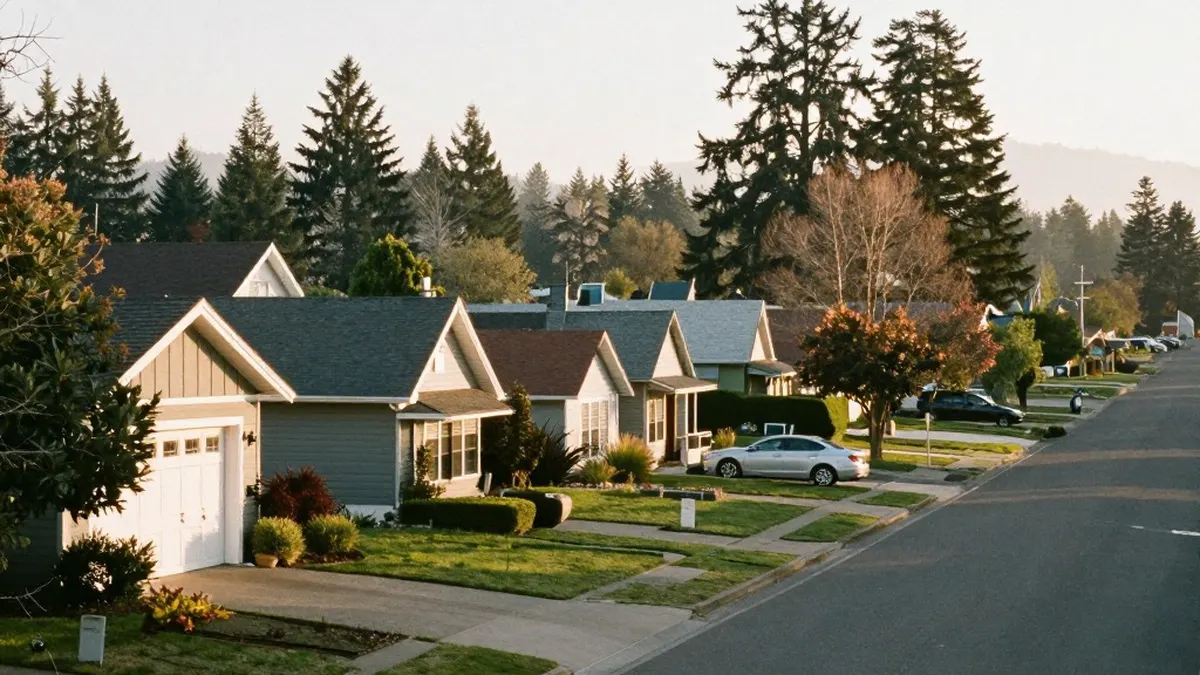
Georgia O'Keeffe's paintings of buildings are the focus of a new exhibition at the Detroit Institute of Arts, offering a view of an artist widely associated with flowers, landscapes and bones. Titled "Georgia O'Keeffe: Architecture," the exhibition approaches her architectural subjects through the places that shaped her life and work. It runs through Jan. 3, 2027.
Curator Ben Colman said architectural subjects such as barns can surprise visitors who know O'Keeffe primarily through her better-known imagery. Yet flowers account for only about 10% of her artwork, he said. The exhibition brings attention to another part of that broader output, tracing her interest in buildings through the environments in which she lived and painted.
The exhibition's autobiographical approach connects these works to locations that were formative for O'Keeffe both personally and artistically, according to Colman. Rather than considering the buildings solely as subjects, it examines them in relation to her experience of the places she called home and the settings where she developed as a painter.
Born on a Wisconsin dairy farm in 1887, O'Keeffe drew inspiration from that background. Her choice of architectural subjects could also reflect concerns about how others understood her work. Discussing "My Shanty, Lake George," Colman said she sought to challenge interpretations of her art by deliberately choosing subject matter that would not be viewed as conventionally feminine in its composition.
O'Keeffe later lived in Manhattan during the 1920s, when skyscrapers were changing the city's appearance. In those surroundings, her attention extended beyond the buildings themselves. Colman said she was particularly interested in what she called "sky shapes," the spaces around structures where the sky, moon and clouds remained visible.
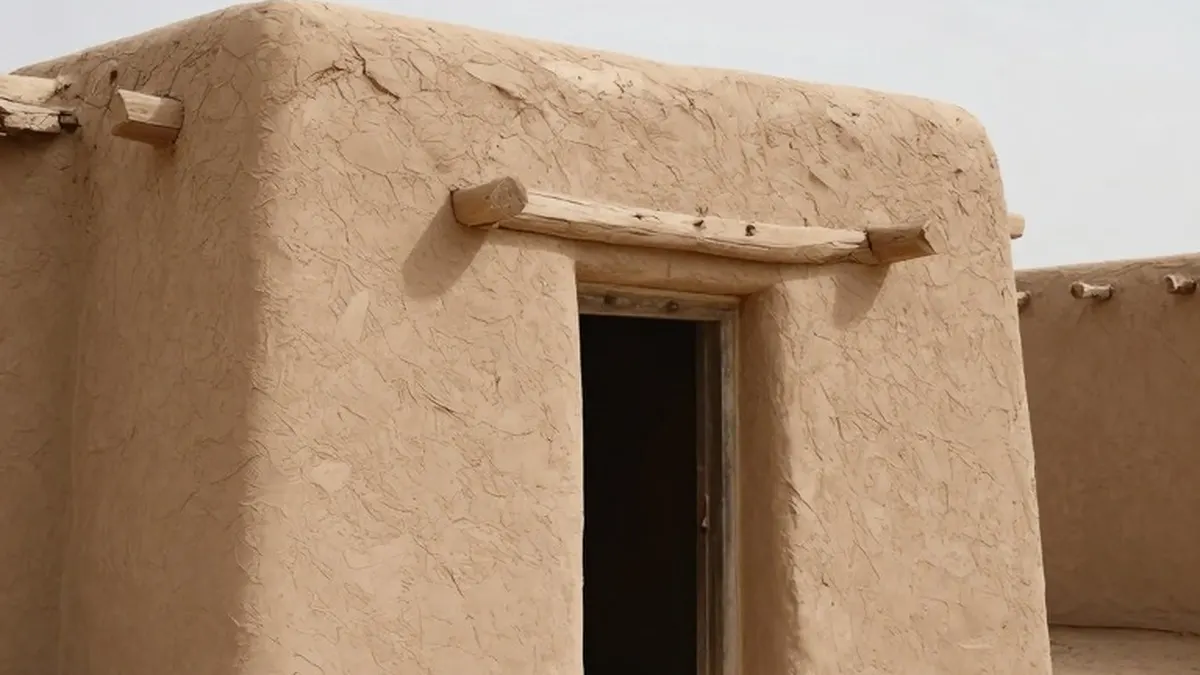
Her eventual move to New Mexico brought a different architectural setting, with adobe buildings amid desert landscapes. Across her career, she completed approximately 140 architectural paintings. Colman described those works as investigations of the places where she lived, including the light and atmosphere surrounding buildings and the textures of the structures she depicted.
O'Keeffe died in 1986 at the age of 98, leaving an extensive body of work that established her place in American art. By focusing on architecture, the Detroit exhibition examines that legacy through subjects that may be unfamiliar to audiences who chiefly associate her with flowers and the natural landscape.