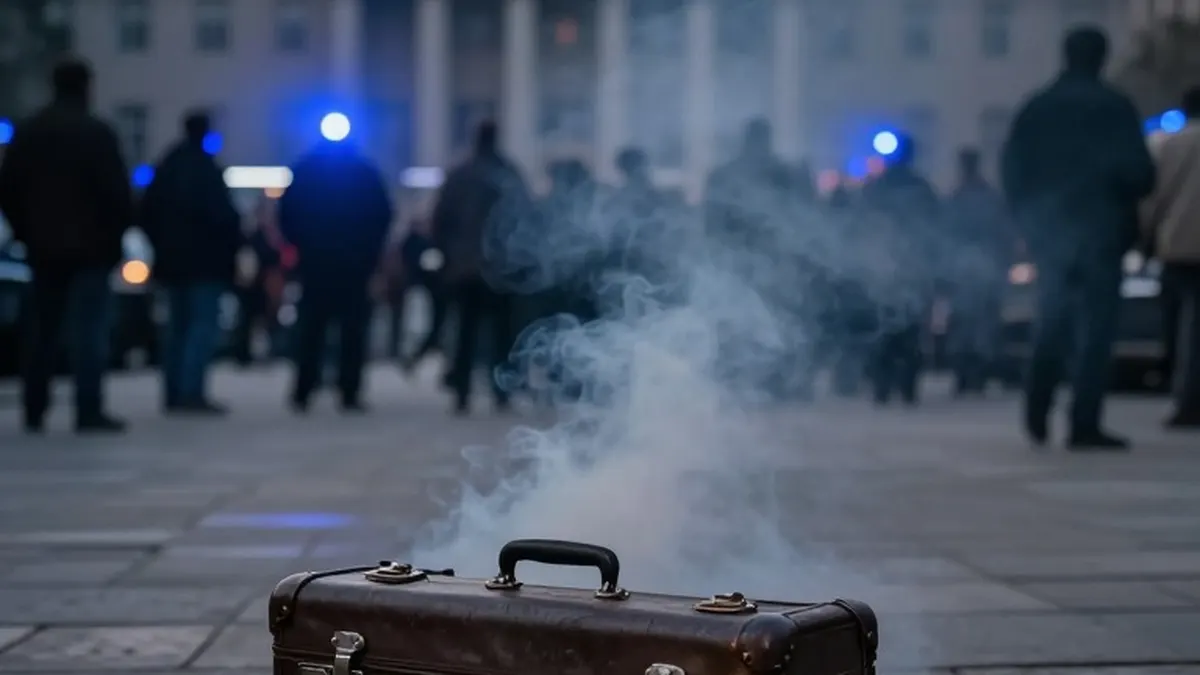
In mid-October, students in Tirana set a suitcase on fire and threw it into the courtyard of the Education Ministry, a symbol every Albanian understood. The 2023 census shows the population shrank by about 420,000 between 2011 and 2023, nearly 15 percent, mostly because of emigration. Now the generation that once packed those suitcases wants to stay and is demanding systemic change.
Known as the 'Flamingo Revolution,' the movement began in May against a luxury resort in a coastal reserve involving Ivanka Trump and her husband Jared Kushner. It quickly grew into broader criticism of corruption, Prime Minister Edi Rama's government and the entire political class.
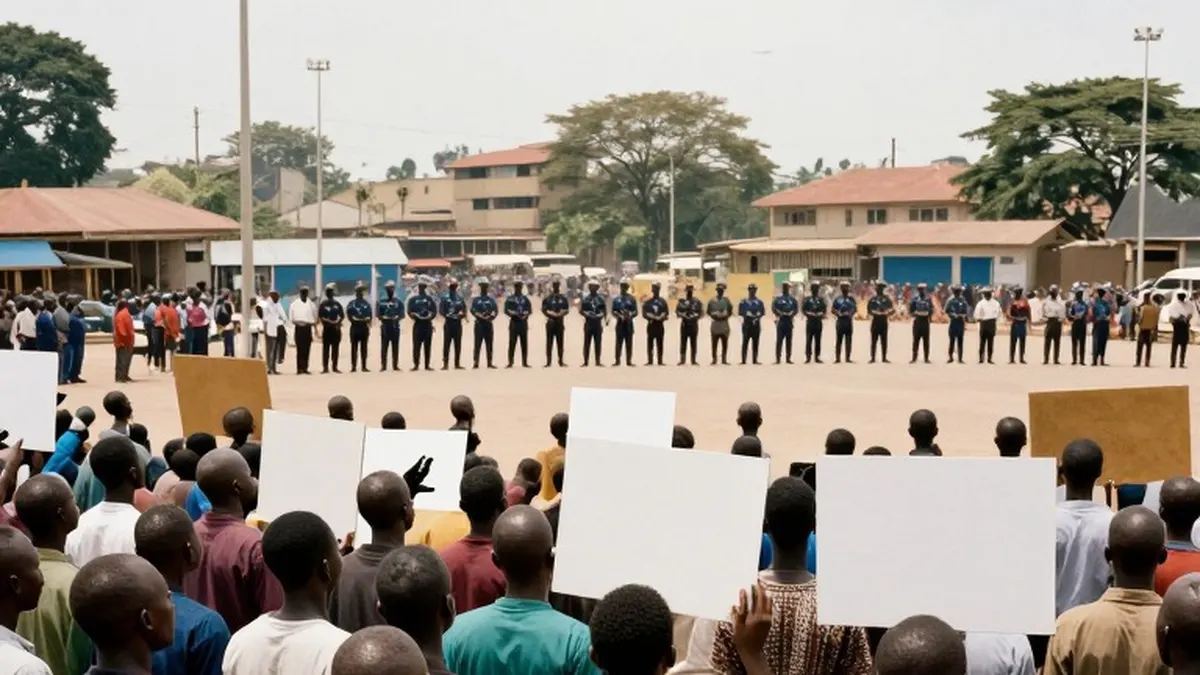
Thousands marched almost every evening for four months in largely peaceful protests. On October 13, a student protest escalated into clashes with police, and the unrest has continued since, with officers using tear gas, water cannons and rubber bullets. Hundreds have been arrested, many injured, and property damaged.
The movement has no leader and draws support across the political spectrum. Its demands: Rama's resignation, a transitional government, electoral reform and fresh elections. Rama blames 'foreign hands,' but there is little evidence external actors are orchestrating the protests, though they may have tried to exploit them online. The grievances are domestic: corruption, high living costs and low wages, sharpened by corruption charges against ministers and two of Rama's former deputies.
Half of all employees earn less than 60,000 lek, roughly €620 or $680, per month after taxes, according to the Albanian Institute of Statistics, while Eurostat puts food prices slightly above the EU average and real estate prices in Tirana have nearly doubled since 2018. Despite strong growth and booming tourism since Rama took office in 2013, critics say prosperity is unevenly shared, with taxpayer money flowing through prestigious projects and public-private partnerships to a small circle of well-connected companies at the expense of healthcare and education. Protesters also complain that proximity to power drives business success, pointing to concessions that have turned state land, including coastal and protected areas, over to private investors.
Rama has rejected calls to resign and invited protesters to dialogue, which they have refused. He insists governments should be replaced at the ballot box, not on the streets. Many demonstrators say they want him and his longtime rival, Democratic Party leader Sali Berisha, jailed.
Rama has led the Socialists since 2005, Berisha first chaired the Democratic Party in 1991, and for 21 years the premiership has alternated between them. A 2008 constitutional and electoral reform that both men backed left party leaders deciding who enters parliament, weakening lawmakers' ties to voters and shutting out new parties. In 2025, a new party received about 64,000 votes but only one seat, while the Socialists won roughly one seat for every 10,000 votes. Freedom House classifies Albania as 'partly free' and describes its parties as 'often organized around leading personalities.'
The OSCE called the 2025 parliamentary elections 'competitive and professionally managed' but said contestants 'did not enjoy a level playing field' in a 'highly polarized environment,' citing 'reports of intimidation, misuse of public resources and pressure on public employees.' The Democratic Party alleged fraud and intimidation, and turnout fell below 45 percent.
For years, dissatisfied young Albanians simply left: the number of Albanian citizens in Germany more than doubled between 2018 and 2024, reaching almost 120,000. Whether emigration is slowing remains unclear, but staying has become a political statement. Rama argues his resignation would jeopardize Albania's bid to join the European Union by 2030, yet Albanians are overwhelmingly pro-European, including the protesters, and see his government as the real obstacle. The closest parallel is Serbia, where a student-led movement recently forced a long-time ruler from office. Whether Albania follows depends on whether a generation traditionally detached from politics turns protest into votes. For three decades, Albania's leaders relied on their citizens' suitcases. Now its students have burned them.