Amazon must carry out recalls covering more than 400,000 hazardous products after losing its legal challenge against the US Consumer Product Safety Commission. The US District Court for the District of Maryland ruled for the agency in a dispute over Amazon’s responsibility for goods sold by third parties through its platform.
The ruling accepted the CPSC’s position that Amazon acts as a distributor of the goods, rather than solely as a logistics provider. That distinction makes the company responsible for conducting the recalls, even though other businesses sold the affected products through its Fulfilled by Amazon program.
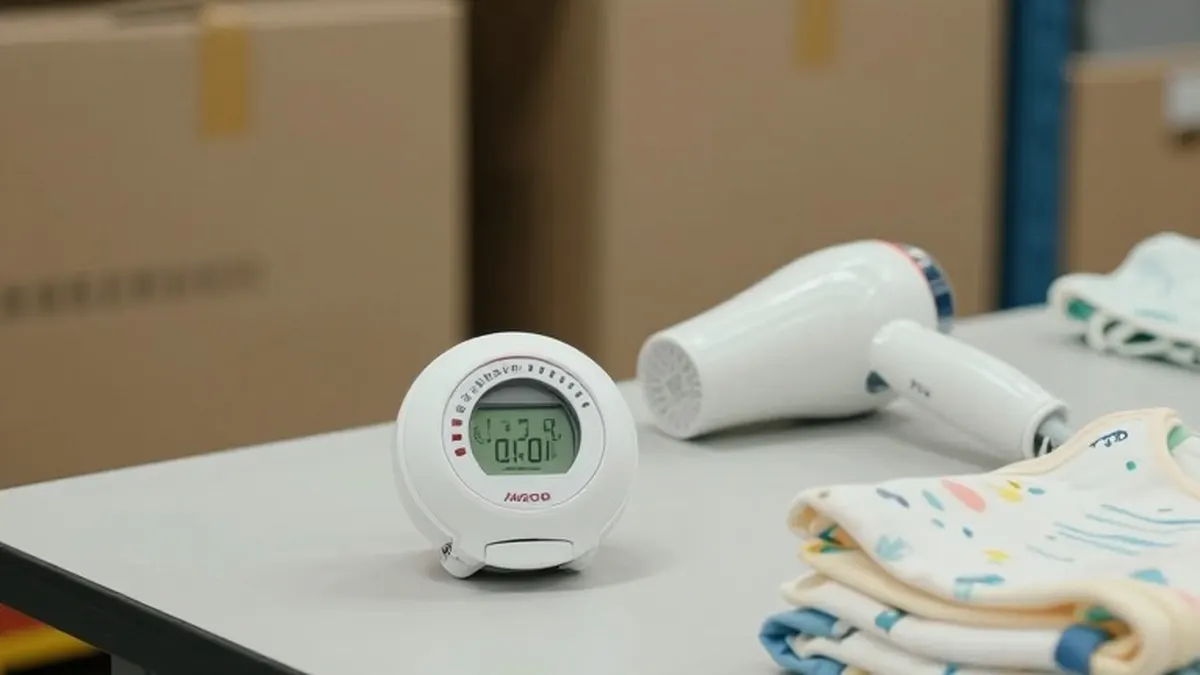
Amazon sued the commission in March 2025 after the agency directed it to recall products that presented a substantial product hazard. The affected goods include defective carbon monoxide detectors, hair dryers lacking protection against electrocution and children’s sleepwear that fails to comply with federal flammability standards.
With its challenge unsuccessful, Amazon is required to follow measures set out in the commission’s January 2025 order. Those requirements cover public announcements, direct communication with purchasers and sellers, refunds tied to disposal or destruction, and records documenting the company’s compliance over a five-year period.
The notification process must begin on the same day the CPSC publishes its recall releases. Amazon must post those releases on Amazon.com and contact the original buyers by email. It must also place recall information on each purchaser’s Your Orders page, making the notices available through both email and customers’ order histories.
The order separately requires Amazon to send one round of recall notices to the Fulfilled by Amazon participants that sold the products. To encourage removal of the affected goods from commerce, the company must refund the full purchase price to any consumer who provides proof that a product has been destroyed or disposed of.
Amazon’s obligations also extend beyond the initial announcements and refunds. The recall releases must remain accessible on its Recalls and Product Safety Alerts webpage for at least five years. During that period, Amazon must file monthly progress reports and retain records showing the actions it has taken to comply with the order.
Amazon did not immediately respond to The Verge’s request for comment on the case.