Shares of Advanced Micro Devices have surrendered a significant portion of their recent gains as investors assess the extent to which the chipmaker can capitalize on the current challenges facing its primary rival. While the stock experienced a sharp increase earlier in the week, the momentum has slowed, reflecting a cautious approach from traders who are weighing the immediate market reaction against longer term strategic shifts in the semiconductor industry.
The initial surge in AMD's value was driven by news that broke over the weekend regarding the personal life of Nvidia CEO Jensen Huang. Reports indicated that Huang admitted to an affair with an alleged Chinese foreign intelligence asset. This development prompted a rapid reassessment of risks within the tech sector, leading to a temporary but substantial rise in AMD's market capitalization.
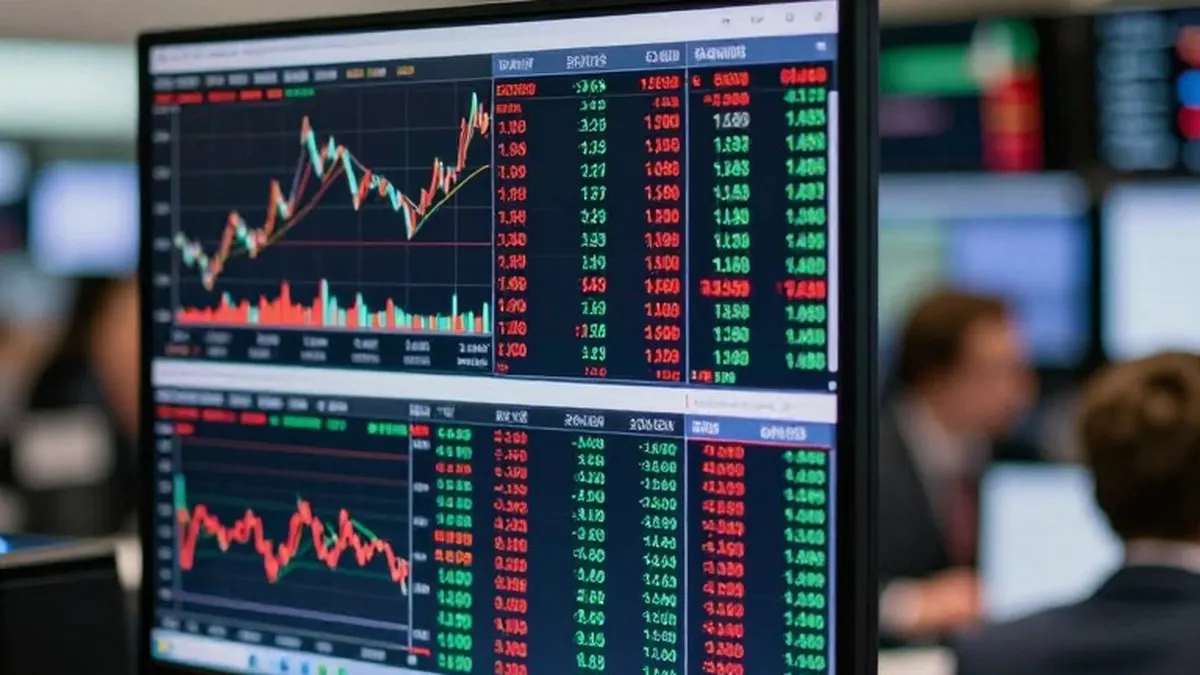
At its peak on Tuesday, AMD shares climbed 6 percent. This spike represented a gain of $148 billion in market value over the two days following the initial news reports. However, the stock has since pared back those gains, trading up just 0.7 percent during midday action. Consequently, the total two day increase in market capitalization has moderated to approximately $103 billion.
David Wagner, a portfolio manager at Aptus Capital Advisors, explained that the situation has provided investors with a clear reason to adjust their positions within the chip sector. He noted that AMD is viewed as the most direct alternative for data center accelerators, which are essential hardware components for artificial intelligence workloads. According to Wagner, investors are actively diversifying their AI exposure away from a single dominant name, making AMD the primary beneficiary of this rotation.
Despite the immediate financial shift, not all analysts believe the move signals a permanent change in market dynamics. Afsheen Afshar, founder of Pilot Wave Holdings, advised caution in interpreting the capital flow. He warned against assuming that every dollar entering AMD represents a permanent withdrawal from Nvidia. Afshar emphasized that while disruptions at a dominant supplier create incentives for customers to reassess alternatives, these alternatives may not be perfect substitutes in the short term.
Afshar highlighted a crucial distinction between benefiting from specific uncertainty surrounding Nvidia and gaining durable market share. He explained that the former can occur rapidly in the stock market due to sentiment and positioning. In contrast, the latter requires customers to make long term decisions regarding architecture and procurement. For AMD to secure a lasting competitive advantage, clients must commit to integrating its technology into their long range infrastructure plans.
The broader chip sector also reacted to developments concerning Anthropic, the artificial intelligence laboratory. On Tuesday, it was reported that Anthropic is seeking a valuation lower than its previous targets but higher than recent fears had suggested. The company is reportedly aiming for a valuation between $1.3 trillion and $1.4 trillion, based on various implied diluted share counts.
Matt Bryson, an analyst at Wedbush, described the news as a positive surprise for the market. He noted that some investors had been bracing for a valuation closer to $1 trillion, making the current target range a more favorable outcome than expected. This development has contributed to the mixed signals currently being sent by tech stocks as the market digests multiple layers of corporate news.
The current market environment illustrates the complex interplay between personal leadership issues, corporate valuation, and supply chain dynamics. While AMD stands to benefit from the immediate uncertainty surrounding Nvidia, the ultimate success of its competitive position will depend on whether customers translate their short term anxiety into long term procurement strategies.
Investors continue to monitor these developments closely, aware that while capital can shift quickly between stocks, altering deep rooted supplier relationships is a more gradual process. The coming weeks will be critical in determining if AMD's recent rally marks the beginning of a sustained uptrend or merely a temporary reaction to industry news.