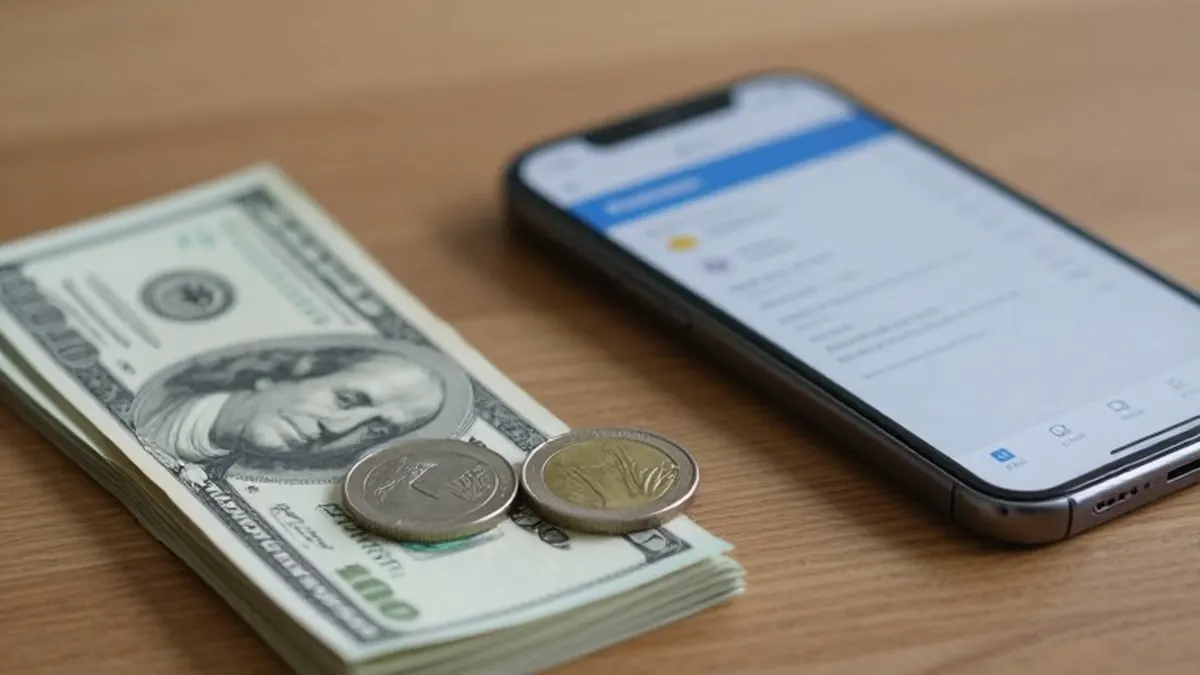
A recent series of technical disruptions across major banking and technology platforms has prompted financial experts to advise Americans to reconsider their reliance on digital payments. The latest incident involved JPMorgan Chase, which reported a technical issue on Monday that affected consumer banking services. This disruption had ripple effects on several other major U.S. banks and the peer-to-peer payment network Zelle. The following day, a separate outage impacted Apple, temporarily interfering with Apple Pay and iCloud services, which synchronize data across various devices.
These events followed earlier widespread issues affecting Microsoft Outlook and communication systems used by air traffic control centers. As these outages highlight vulnerabilities in the U.S. economic infrastructure, top financial advisors are suggesting that consumers should prepare for potential future disruptions by keeping physical currency on hand. The general consensus among experts is that this strategy is about preparedness rather than panic.
David La Placa, CEO of Intellectus Partners in San Francisco, emphasized the importance of building redundancy into personal financial lives. He recommends that households maintain access to at least a second financial institution and keep a backup credit card from a different issuer. By ensuring multiple ways to access liquidity, La Placa believes families can better withstand unexpected technical failures. His firm was ranked No. 92 on CNBC's Financial Advisor 100 list for 2026.
Seth Fierston, a certified financial planner and co-president of Fierston Financial Group in West Hartford, Connecticut, echoed this sentiment. He advised clients to diversify their cash management by holding multiple accounts at different brokerages or banks. Fierston noted that having various methods to move money, such as ACH transfers, wires, checks, Venmo, or Zelle, helps mitigate technology risk. Flexibility remains a guiding principle for his firm, which ranked No. 22 on the 2026 Financial Advisor 100 list.
Despite expert advice, many Americans have shifted toward digital transactions. According to a survey of nearly 10,000 adults conducted by the Pew Research Center between May and June, only about 46% of Americans carry cash with them most of the time. Furthermore, roughly 42% of U.S. adults reported not using cash for any purchases in a typical week, a significant increase from 24% in 2015. Young adults are the least likely to use physical currency, with 51% of those under 30 stating they go completely cashless.
Tim Lootens, managing director at Chilton Capital Management in Houston, suggests that clients keep three days' worth of average cash spend on hand as a baseline. However, given the recent string of outages, including the Microsoft Outlook and FAA issues, Lootens recommends increasing that reserve to five to seven days. He noted that the psychological comfort of having accessible cash is just as important as the financial practicality.
Brian Vendig, president and chief investment officer at MJP Wealth Advisors, recommends holding cash equivalent to one to two weeks of discretionary living expenses. He views this amount as a reasonable buffer for essentials like groceries and gas if electronic payments become unavailable. Vendig, whose firm ranked No. 42 on the Financial Advisor 100 list, advises storing this cash in a secure location at home. He also urged consumers to ensure their electronic devices have the latest security patches installed.
Experts warn that moments of uncertainty can attract criminal activity. Craig Timm, senior director of anti-money laundering at ACAMS, stated that consumers should assume they will be targeted during these periods. He explained that reported bank outages often cause confusion and fear, which criminals exploit by pushing victims to take urgent action. Timm advised consumers to stay alert, avoid clicking links in unexpected bank messages, and never share personal information such as passwords or PINs unless communicating through a trusted, official channel.