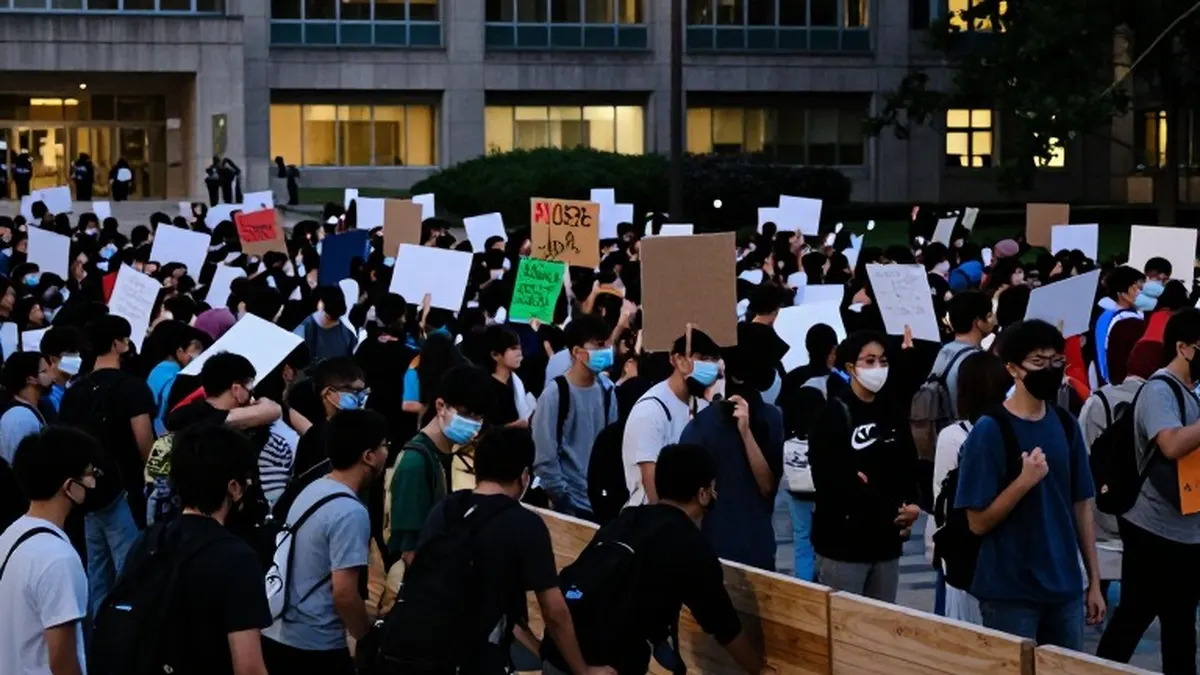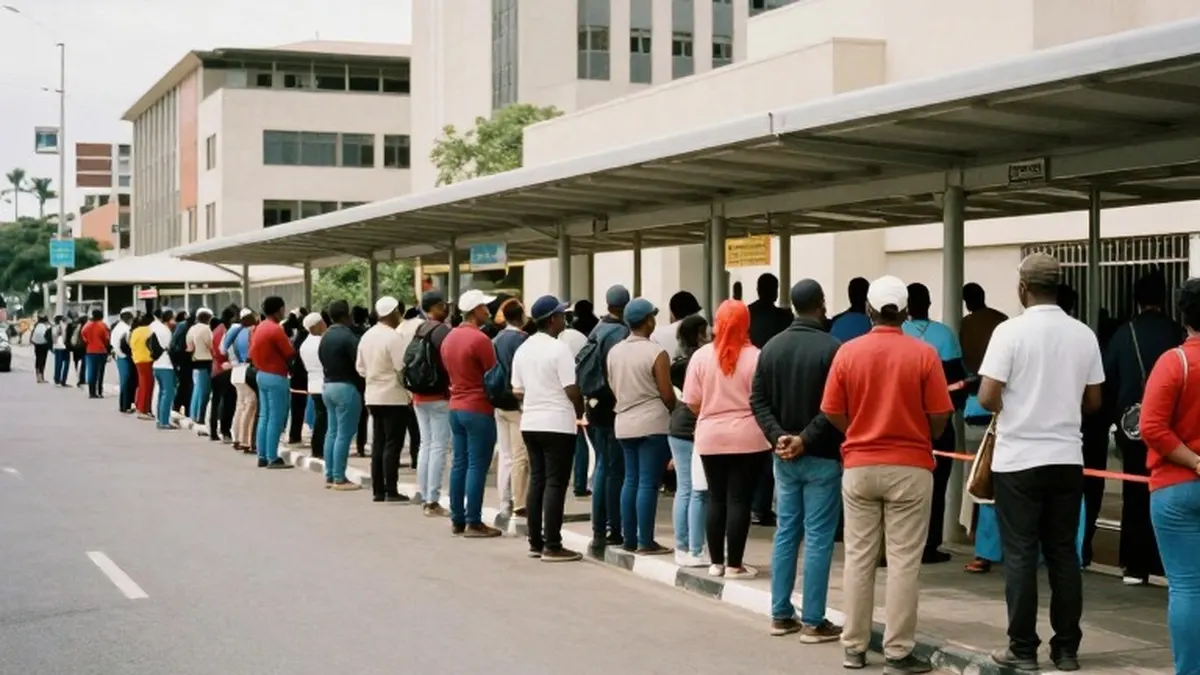
The African National Congress is on track for a significant defeat in South Africa’s local government elections. With more than eighty percent of the national ballots counted, the party that led the country since the end of apartheid in 1994 has fallen to below one third of the total vote. This fragmented outcome marks another step in the long term decline of the ANC, which has historically dominated the political landscape.
Various factors have contributed to voters turning away from the former liberation movement. High unemployment rates, persistent crime, corruption scandals, and poor local service delivery have eroded public confidence. The party is projected to lose its position as the largest political force in two of the country’s most populous provinces, Gauteng and KwaZulu-Natal. Political parties have already begun coalition negotiations behind closed doors as they prepare for the final results, which are expected to be announced on Sunday.
Nationally, the ANC is currently polling at 31.8 percent of the vote. This figure represents a drop of almost fourteen percentage points compared to its result in the 2021 local elections. The centre right Democratic Alliance, a white led party, holds 24.1 percent of the vote. Meanwhile, the uMkhonto weSizwe party, led by former ANC president Jacob Zuma, has secured 9.3 percent. Voter participation also increased, with the election commission estimating that 54.5 percent of registered voters cast their ballots, up from 46 percent in the previous cycle.
In Johannesburg, South Africa’s commercial capital and largest city, residents have struggled with infrastructure issues such as water cuts, power outages, uncollected waste, and potholes. The municipality has acknowledged an infrastructure spending backlog of 220 billion rand. With just over half of the city’s votes counted, the Democratic Alliance is leading with 40 percent. The ANC, which currently leads the local coalition, is in second place with 17.5 percent, while the right wing ActionSA party holds 15.5 percent.
Campaign dynamics in Johannesburg have been intense. The DA ran an energetic campaign under the leadership of Helen Zille, a 75 year old former Cape Town mayor. Herman Mashaba, who leads ActionSA, has pledged never to work with Zille, describing her as racist, a claim she has strongly denied. Although many of the ANC’s traditional township strongholds have not yet reported full results, projections from the Council for Scientific and Industrial Research suggest the DA will finish with 34 percent, the ANC with 20 percent, and ActionSA with 16.8 percent. The DA is currently leading in all three major city municipalities in Gauteng, which are often negotiated as a single coalition block.
The MK party, led by 84 year old Jacob Zuma, is expected to replace the ANC as the largest party in KwaZulu-Natal. Founded in 2023, the party combines socially conservative Zulu nationalism with promises to redistribute land and wealth. In the eThekwini municipality, which includes Durban, the MK had 41 percent of the vote with half of the ballots counted. This result means that other parties could form a coalition to prevent the MK from taking power. In Cape Town, the DA is projected to maintain its majority, despite rising concerns among middle class residents about housing costs. Councillors will have two weeks to elect mayors and form municipal governments after the final results are declared.