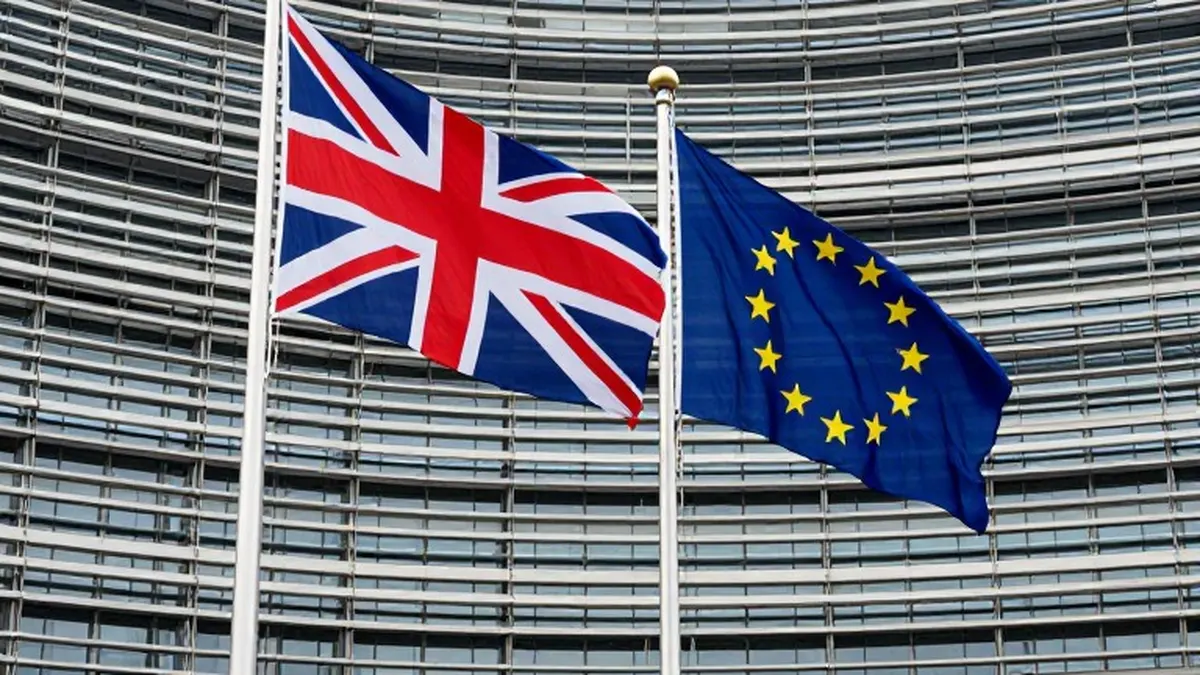
Prime Minister Andy Burnham stated that the United Kingdom will explore options for even closer ties with the European Union following the agreement of a comprehensive deal. The new arrangements cover British food exports, the linking of emissions trading systems, and the launch of a bilateral youth experience scheme. Burnham described the announcement as a positive day for both Britain and Europe, noting that the Treasury estimates the deal could boost the UK economy by up to 17 billion pounds annually.
The agreements, finalised during a summit in Brussels, represent the latest stage of the government's post-Brexit reset of relations with the EU. This process originally began under former Prime Minister Sir Keir Starmer. European Council President António Costa emphasized that the EU remains open to having the closest possible relationship with the UK. However, the deal has drawn criticism from opposition leaders, with Conservative leader Kemi Badenoch arguing it is unfair and Reform leader Nigel Farage calling it a betrayal of the British people.
A key component of the deal involves the removal of most checks on British food exports. In exchange, the UK will follow certain EU regulations starting in 2028. The government believes these changes will reduce costs for businesses and potentially lower prices for consumers. Critics, however, argue that this shift makes the UK a rule taker from Brussels rather than a rule maker. Legislation to implement these changes is expected to be introduced in the UK Parliament next week.
The new youth experience scheme will allow up to 100,000 individuals aged 18 to 31 from the EU to travel, work, and study in the UK for up to three years. An equivalent number of young Britons will be granted similar access to Europe. Both sides aim to ensure opportunities are available by January 2030. A further six months is allocated to discuss tuition fees, a topic that could prove difficult, as European officials have called for reduced fees for EU students at British universities, with reciprocal benefits for UK students in the EU.
On immigration, the UK and EU have committed to working closely to tackle migrant smuggling and human trafficking. They expect their law enforcement agencies to share more data to help disrupt gangs involved in dangerous crossings across the English Channel. Additionally, talks on linking the EU and UK emissions trading systems have concluded, with the aim of applying the agreement from 2028.
Burnham argued that polling suggests the public wants closer ties with the EU and that this deal delivers that desire. He stated that incremental steps only take the relationship so far and that the government will publish a 10-year plan next month. This plan will outline ambitions for reindustrialisation, growth across all parts of Britain, and opportunities for young people. Burnham noted that over the coming months, both sides will conduct an informal brainstorming process to determine the right long-term relationship.
The Prime Minister added that the current announcement is likely the limit of what can be achieved in this Parliament, but the government wants to inform the next Parliament about long-term decisions. Labour's 2024 manifesto pledged no return to the single market, customs union, or freedom of movement, a commitment Burnham reiterated. He stated that the British people will decide what happens next, with the next election due by August 2029.
European Commission President Ursula von der Leyen called the summit a turning point for the EU-UK relationship and expressed confidence that a solution on tuition fees would be found. In response to Badenoch's criticism that the 17 billion pound economic boost was a made-up figure, Burnham defended the Treasury's analysis. Farage, a leading figure in the 2016 Brexit campaign, described the day as a victory for the EU and a humiliation for the UK. Liberal Democrat leader Sir Ed Davey said the deal is a step forward but argued that a whole new deal is needed that actually works for Britain.
Badenoch specifically criticized the impact on UK farmers, who will now follow rules made by Brussels, and expressed concern that more young people will come to the UK to compete for jobs. She disputed the economic modelling, claiming the only analysis she has seen suggests the impact on gross domestic product is zero. Despite the mixed reactions, the two sides have set a framework for future negotiations and deeper integration in the years ahead.