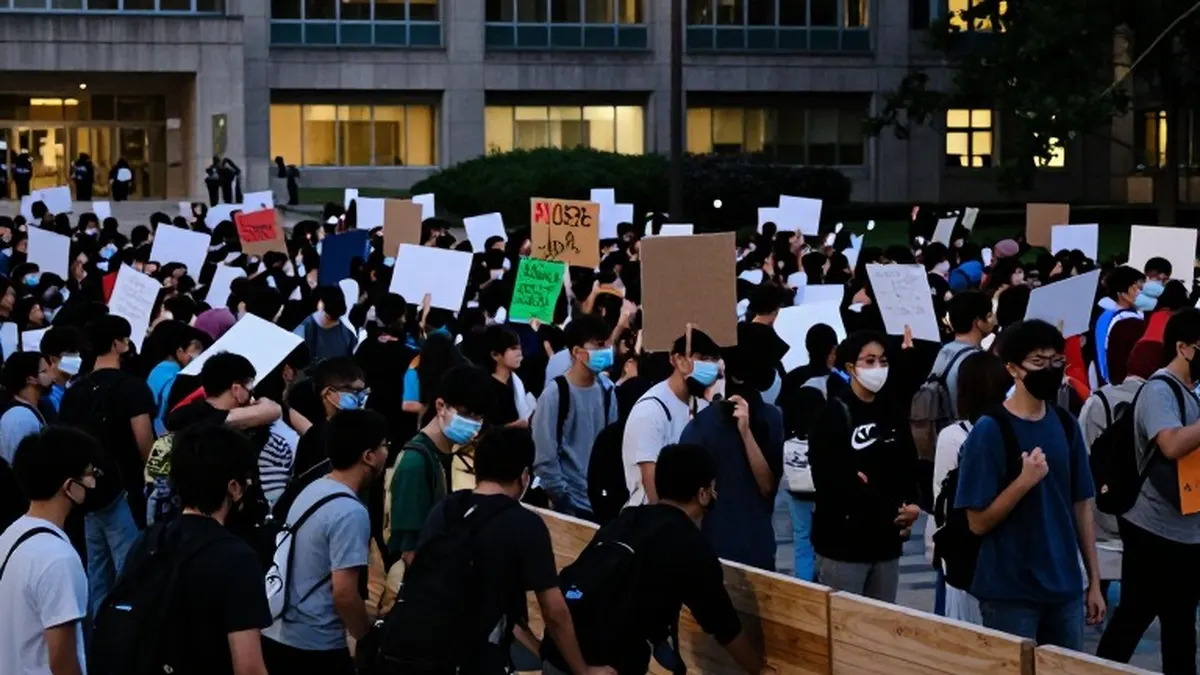
Trevor Hold, the Queensland-based leader of the Australian Advocacy Group, has been convicted of two counts of obstructing government officers. The magistrate rejected his argument that the commonwealth-funded fire ant eradication program was illegal, marking what is believed to be a first in Queensland for such a conviction. Hold was fined 1,500 dollars, though a conviction was not recorded on his record.
Hold is a multifaceted figure who describes himself as an ultrapreneur, mental health counsellor, organic cattle farmer, and the chief executive officer of his anti-program organization. He is also self-employed. His group and other organizations held a series of well-attended meetings across south-east Queensland last year. During these events, they advised residents on what the group termed their legal rights to refuse access to their properties for fire ant treatment.
The legal dispute centers on Queensland’s Biosecurity Act, which mandates that landholders must permit program officers to access their property to treat fire ants, a declared priority pest. Hold’s organization argued that landholders could use a specific provision in the act to obstruct officers if they had a reasonable excuse to refuse access. This interpretation formed the basis of Hold’s defense in court.
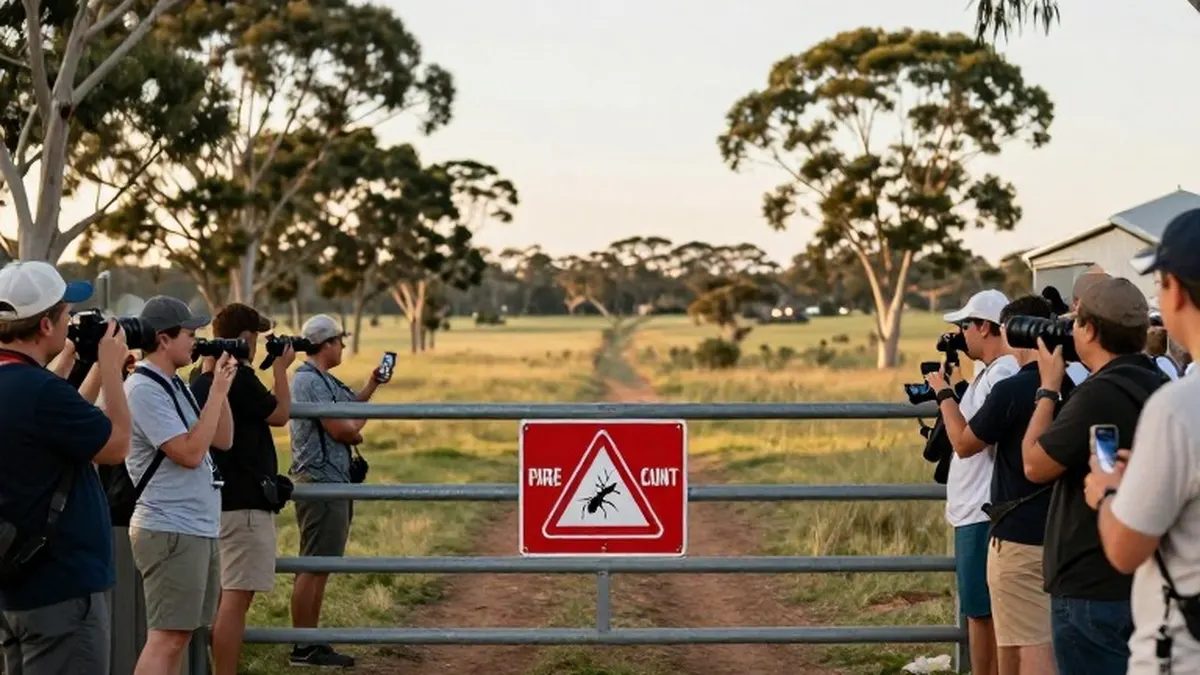
The incident occurred on 16 April at approximately 9.20 am at Hold’s property in Adare, located in the Lockyer Valley west of Brisbane. The property was within the designated treatment zone and scheduled for its annual treatment. Hold had been informed in advance of the visit. According to court documents, a small group of supporters gathered at the scene to film and shout at the officers. The situation was later described by the Ipswich magistrates court as increasingly rowdy, crowded, and dynamic.
Hold was initially arrested by Queensland police after about 40 minutes for obstructing them by refusing to open a gate. He was subsequently un-arrested but was arrested again after another interaction with program officers, despite being warned. In his defense before magistrate Leanne Scoines, Hold presented three main arguments.
First, Hold claimed he was intimidated by the police and officers, which led him to withdraw his consent for their attendance. He described himself as frazzled during the incident. However, the magistrate noted that body-worn camera footage captured Hold saying on three occasions, this is the Trevor Hold show. A police prosecutor also told the court that it was clear Hold was actually enjoying the incident.
Second, through his solicitor Beatrice Ludwig, Hold argued that the police failed to consider his reasonable excuse and were therefore acting outside their powers. He based part of this claim on emails sent to the Department of Primary Industries in December 2024 and January 2025. The magistrate described these notices as unilateral and quasi-legal documents seeking tacit approval by non-response, finding they had no legal effect.
Finally, Hold challenged the validity of the program itself, arguing that the prosecution had not proven it was properly authorized under the Biosecurity Act. Magistrate Scoines dismissed all three arguments, ruling that the officers were entitled to proceed as they were exercising powers conferred by the act. She stated she was not satisfied that Hold was a credible or liable witness on the critical issues in dispute.
Hold has appealed the judgment to the district court. On his website, he advertises fundraising efforts for his legal defense and mentions a potential class action lawsuit against the program. Hold declined to comment on the case. Professor David Heilpern from Southern Cross University compared some of Hold’s arguments to those used in sovereign citizen cases, particularly the claim that he had not consented to treatment. Heilpern noted that under biosecurity legislation, whether a landholder consents or not is immaterial.