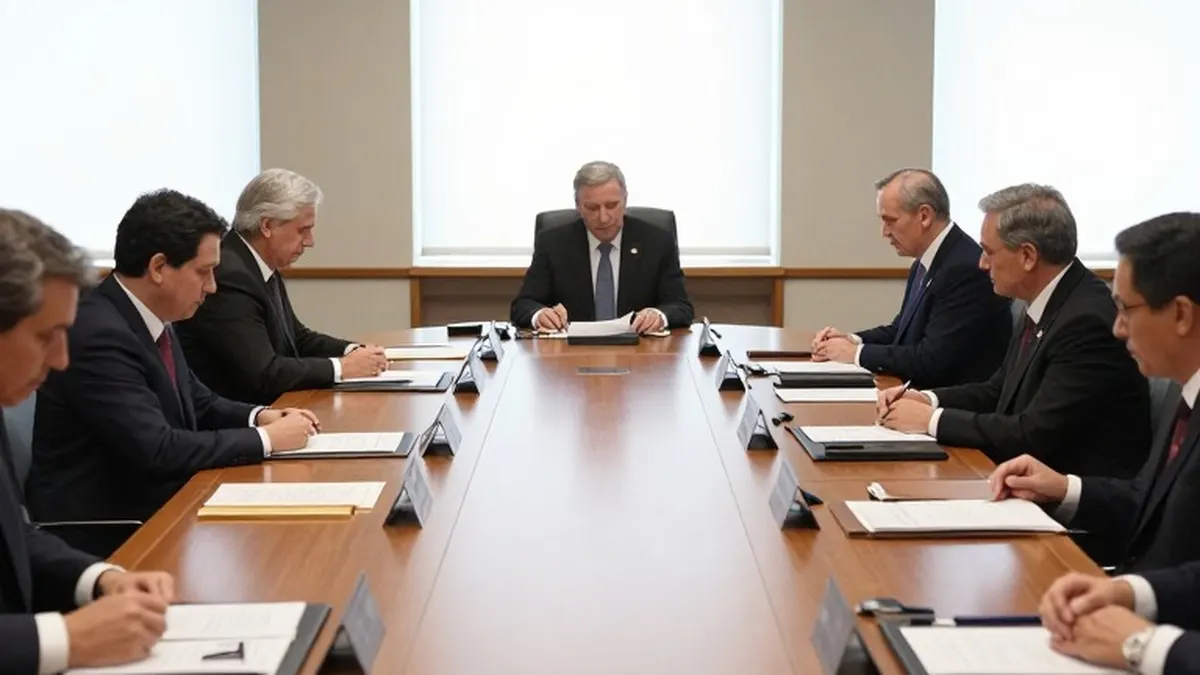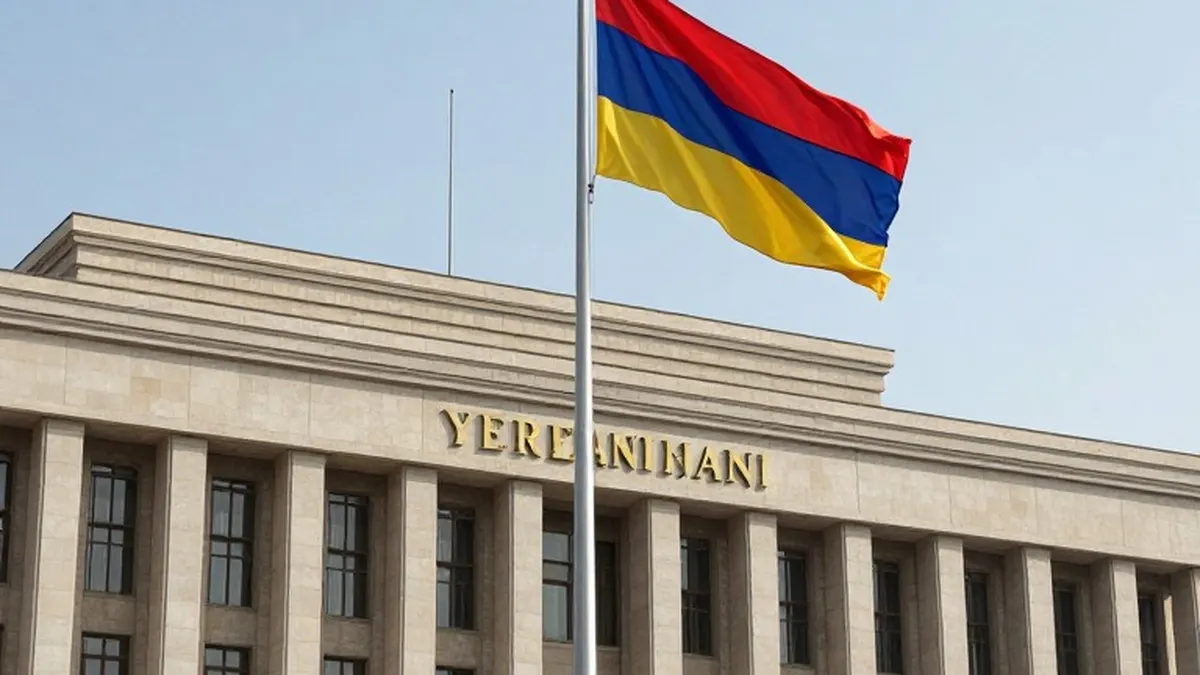
Armenia released a draft proposal for a new constitution on Monday, marking a significant step toward formalizing a peace agreement with its neighbor and historical rival, Azerbaijan. The publication of this charter places immediate pressure on Prime Minister Nikol Pashinyan to finalize a deal with Baku. This move follows his victory in a June election, a vote that many observers interpreted as a referendum on his management of the ongoing peace process.
In a national address delivered shortly after the draft was made public, Pashinyan emphasized the importance of the change. He stated that he was staking his entire political, human, and moral credibility on the issue. According to the state news agency Armenpress, the Prime Minister declared that following the adoption of the new constitution, Armenia would not only sign and ratify a peace agreement with Azerbaijan but would also establish institutional, lasting, and irreversible peace.
The two South Caucasus nations have experienced intermittent conflict since the late 1980s. The disputes were primarily centered on the mountainous region of Nagorno-Karabakh. This area was controlled for decades by ethnic Armenians but was recaptured by Azerbaijan in 2023 during a swift military offensive. The countries signed a joint peace declaration backed by the United States in August of last year.
Since that declaration, both sides have begun to rebuild trade links and describe their current relationship as being in a state of real peace. However, a central obstacle to signing a formal deal for Azerbaijan has remained the preamble of Armenia's existing constitution. That text contains a reference to a Soviet-era document which called for the reunification of Armenia and Nagorno-Karabakh, a region that was then an autonomous part of Soviet Azerbaijan.
The proposed new constitution addresses this specific point by rewriting the preamble. The new text removes the reference that has been a source of objection for Baku. This change is designed to clear a major legal and symbolic hurdle in the negotiations between the two capitals.
The stakes are particularly high for Prime Minister Pashinyan. He has pledged to resign if the Armenian people vote against the new constitution in a referendum. Such an outcome would trigger snap elections, and Pashinyan has promised that he would not run in those elections. To call a constitutional referendum, his government needs to secure a two-thirds majority in the legislature.
Achieving this majority requires Pashinyan to convince at least six opposition legislators to join his ruling Civil Contract party. The new charter will also be subject to a public debate before any vote is taken. Currently, Armenia's main opposition parties have rejected the draft, signaling that the path to ratification may be contested.
In the lead-up to the June election, Pashinyan faced a wave of criticism from opposition figures and segments of the public. Critics accused him of capitulating to Azerbaijan, a sentiment that intensified following Baku's 2023 military operation. That operation resulted in the retaking of Karabakh and prompted nearly the entire ethnic Armenian population of the territory to flee to Armenia.