A poignant collection of letters written by a World War One soldier to his new wife has inspired a community in Powys to create a lasting memorial. Gunner Willie Webber wrote to his wife, Gladys, from the Western Front, expressing deep affection and hope for their future. The couple married at St Edward's Church in Knighton in December 1917, but their time together was short. Willie served with the Royal Garrison Artillery's 297th Siege Battery and was killed in an accident just four weeks before the Armistice in 1918, leaving the couple without children or direct descendants.
For over a century, the story of this young couple remained largely unknown. The correspondence, comprising 100 letters dated between December 1917 and October 1918, was recently put up for sale at an online auction in 2025. Andy Garner, a mechanic from Norwich who collects and transcribes wartime letters, followed the auction with great interest. He was determined to save the collection from disappearing into private hands, driven by a sense that the letters needed to be shared.
In the final seconds of the bidding process, Garner successfully purchased the bundle for £351.51. After reading the letters, he was deeply moved by the devotion evident in Willie's words, particularly his steadfast belief that he would return home. Garner noted that the love in the correspondence provided both soldiers and their families with hope during difficult times. Despite having limited funds, he was committed to publishing the transcripts to ensure the couple's story was not lost to history.
An unexpected turn of events occurred when Keith Budgen, the seller of the letters, contacted Garner the morning after the auction. Budgen decided to return the money, feeling it was the right thing to do since he had originally been given the letters. He believed Garner was the right person to preserve the collection. The two men bonded over their shared interest in the letters and began planning a way to commemorate Willie in Knighton, the town where he had married.
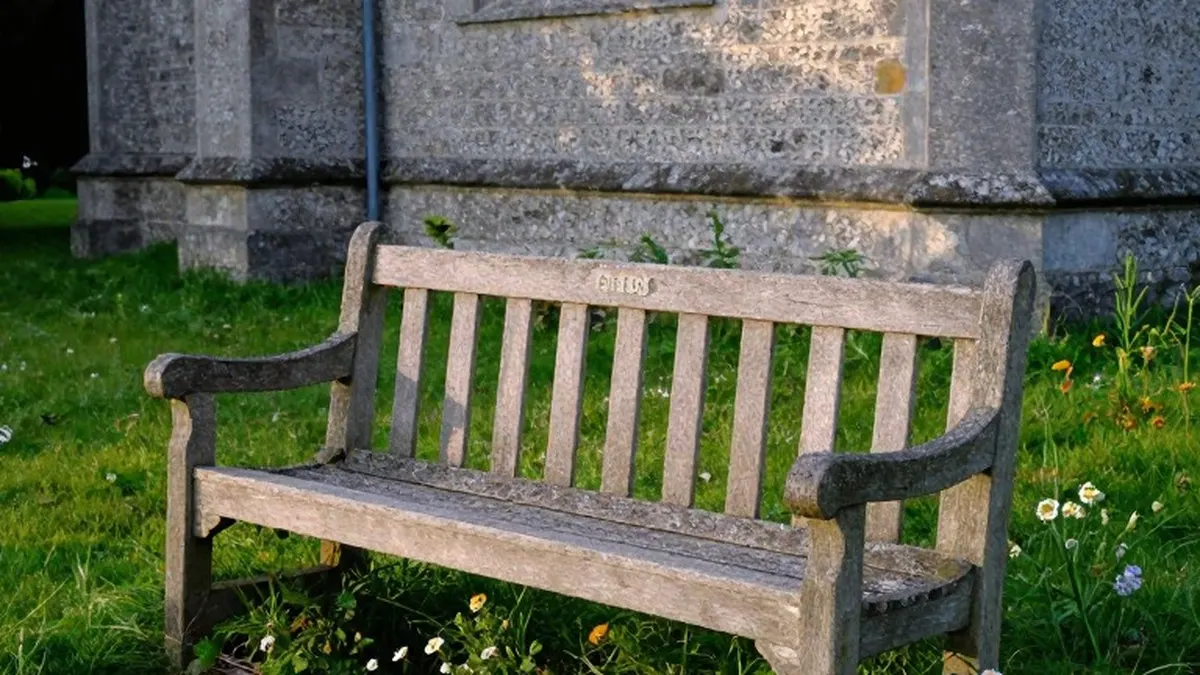
The idea for a memorial bench at St Edward's Church gained rapid traction. Within two and a half weeks, supporters raised £1,600 to fund the project. The local church community embraced the initiative, organizing a remembrance service that included a special tribute from bell-ringers and a bugler. Members of the Royal British Legion also offered their support, highlighting the importance of remembering soldiers who were not previously commemorated on local cenotaphs.
Ian Ferguson of the Royal British Legion praised the project, noting that Willie had not been listed on any cenotaph in his birth town or in Knighton. Reverend Rachael Storer of St Edward's Church described the effort as a testament to love, initiated by Garner's determination to share the couple's history. Lynn Scales, who composed a special standard for the bell-ringers, emphasized the significance of remembering the sacrifices made by individuals who might otherwise be forgotten.
Andy Garner's wife, Lex, shared the story with the BBC to highlight the ripple effect of such acts of remembrance. She described how the initiative brought together regular people who cared about preserving local history. The project has given Willie and Gladys a new community, connected not by blood but by a shared commitment to honoring their love and sacrifice more than a century later.
The memorial bench now stands as a physical reminder of the couple's story in Knighton. It serves as a focal point for remembrance, allowing the community to reflect on the personal costs of war. The effort by two strangers to save the letters and create a tribute has ensured that the love story of Willie and Gladys Webber continues to resonate with those who visit the church.