Australia's headline inflation rate has quickened to 4.3%, strengthening expectations that the Reserve Bank of Australia will raise interest rates again next week. Figures released on Wednesday also showed the central bank's preferred gauge of underlying inflation, which removes volatile prices, running at an annual 3.6% to September.
Both readings sit well above the RBA's 2.5% target. Bank officials have strongly signalled that the board may need to lift borrowing costs further to bring price growth back down, pointing to concerns about a "materially worse" inflation outlook. The next monetary policy decision is due on 3 November, and most economists are forecasting another increase in the cash rate.
The cash rate, which influences lending rates including mortgages, already stands at 4.6%. That is its highest level in 15 years, following four rate rises so far in 2026.
Speaking at senate estimates shortly after the data came out, RBA deputy governor Andrew Hauser called the numbers "too high". He warned of a "nightmare" risk that longer-term inflation expectations could rise, which would make it harder to remove inflation from the economy. "We don't think it is necessarily crystallising yet, but it is a particular risk," Hauser said.
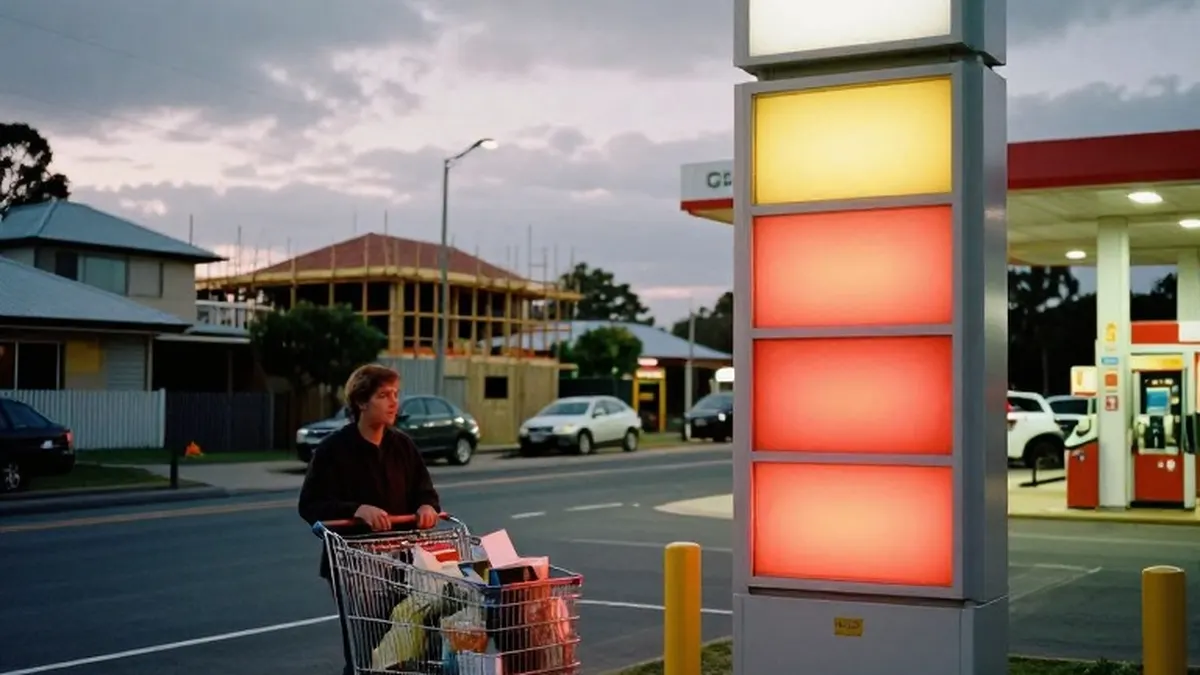
The Australian Bureau of Statistics data showed costs for everyday goods and services climbing while unemployment is also rising, adding to pressure on households. Transport costs rose 8.7% over the past 12 months, driven largely by higher fuel prices linked to the conflict between the US and Israel on one side and Iran on the other. Food prices increased another 3.2% over the year, and housing costs were up 5.2%.
Housing, the largest single category in the consumer price index, made the biggest contribution to annual inflation, followed by transport. Builders have been passing on higher material and labour costs for new dwellings, and electricity prices remain elevated.
The figures have intensified a political debate over what is behind the cost-of-living squeeze. Critics point to a mix of high fuel prices from the Iran conflict, government spending and weak productivity. Treasurer Jim Chalmers said the government accepts "our part in the fight against inflation", but argued that high oil prices and a recovering private sector were the main causes. "The most important thing that can happen for Australians under pressure is to see an end to this war in the Middle East," he said.
Economists see a difficult path ahead for the central bank. Stephen Smith, a partner at Deloitte Access Economics who expects a rise next week, said the RBA had "little appetite to allow inflation expectations to drift higher after such a prolonged period above target". He added that the economy is already slowing, with subdued household spending, a softer labour market and a weaker housing market.
Josh Gilbert, a market analyst at eToro, said inflation was becoming a "higher-for-longer" story in Australia. "Anyone holding out for rate relief may need to pack plenty of patience, because another hike looks imminent after today," he said.