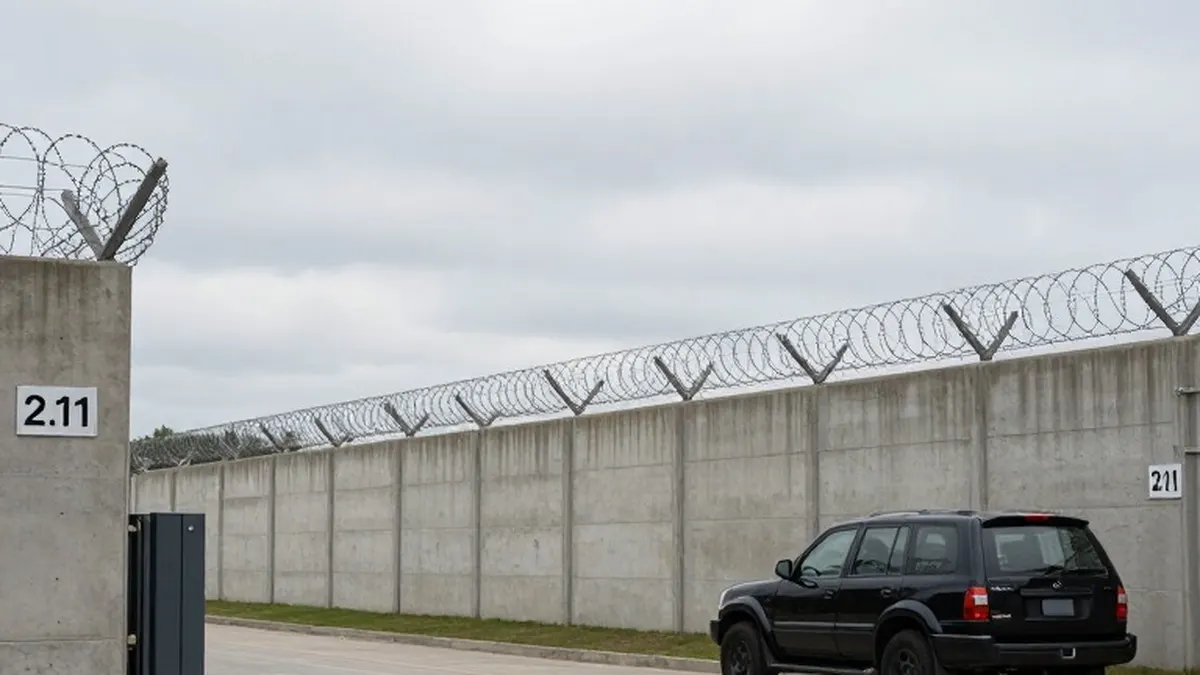
Treasury Secretary Scott Bessent has been moved from his residence in Washington, D.C., to a military installation in response to intensifying assassination threats from Iran, a senior administration official confirmed this week. The relocation marks a significant escalation in security protocols for a top cabinet member as the United States and Iran continue to navigate a complex diplomatic and economic standoff.
According to the official, the specific threats against the Treasury Secretary have reached a level described as more than an advanced stage. While the exact date of the move was not disclosed, the decision reflects a broader pattern of heightened caution within the administration. In recent weeks, other high-ranking officials, including White House Chief of Staff Stephen Miller and Secretary of State Marco Rubio, have also transitioned to military or protected housing arrangements.
Bessent has been a central figure in the U.S. strategy to pressure Iran economically. Earlier this year, he spearheaded the launch of Operation Economic Outcast, an initiative designed to isolate the Iranian economy from global markets. The Treasury Secretary previously stated that this wave of sanctions aims to cause the asphyxiation of Iran's economic infrastructure, thereby weakening the regime's ability to sustain its military and political positions.
The Treasury Department acknowledged the secretary's departure in a statement released on Tuesday. The department emphasized that Bessent remains committed to his duties and refuses to be deterred by the Iranian regime's threats. The initial report of the relocation was first published by The New York Times, which cited three anonymous sources familiar with the matter.
This security shift occurs as President Donald Trump continues to pursue diplomatic avenues to end the ongoing conflict. The administration is increasingly leaning toward economic pressure rather than a return to full-scale military engagement. Secretary of State Marco Rubio addressed reporters on Tuesday, downplaying the likelihood of renewed airstrikes. He noted that the United States does not need to conduct military strikes if the same strategic objectives can be achieved through economic means and sustained pressure.
Rubio rejected the notion that the U.S. and Iran are currently at a stalemate. He argued that the combination of sanctions and the naval blockade is steadily eroding Tehran's stability. The Secretary of State described the situation as one where Iran is bleeding economically, with increased pressure on the country growing every day.
The intensified diplomatic and economic push follows a recent election in which the war proved to be a political liability for Republican candidates. Polling data from the Fox News Voter Poll indicated that the Iran conflict was a crucial factor in the House vote for 34 percent of voters. Furthermore, approximately six in 10 respondents believed that the United States made the wrong decision to take military action against Iran.
The relocation of the Treasury Secretary underscores the tangible risks facing U.S. officials as the administration balances military readiness with economic warfare. As diplomatic efforts continue, the focus remains on leveraging economic tools to force a resolution without engaging in further direct combat.
Morgan Phillips of Fox News contributed to the reporting on this developing story. The administration's approach highlights a strategic shift toward sustained economic attrition, aiming to compel Iran to the negotiating table through financial strain rather than kinetic military force.