Do screens in cars represent luxury? Judging by the latest car interiors, the answer would seem to be an emphatic 'yes.' Screens aren’t just getting larger; they are multiplying across the dashboard and morphing into different forms and concepts. Indeed, an interior’s screens are a pretty good indicator of what brand made the car, or at least how much the owner paid for it.
But is this actually what customers want? Are more screens really better? And even if they are, luxury car features inevitably trickle down to cheaper, more mainstream offerings, and screens can only get so big. That leaves luxury automakers with another question to answer: 'What’s next?'
Mercedes-Benz is working on a new display alternative that could provide an answer. For now, it’s known as the holographic display. Forget the images from Star Trek and Star Wars that just popped into your head, though. It’s effectively a more advanced form of heads-up display, or HUD.
Eyes on the road, not the dash
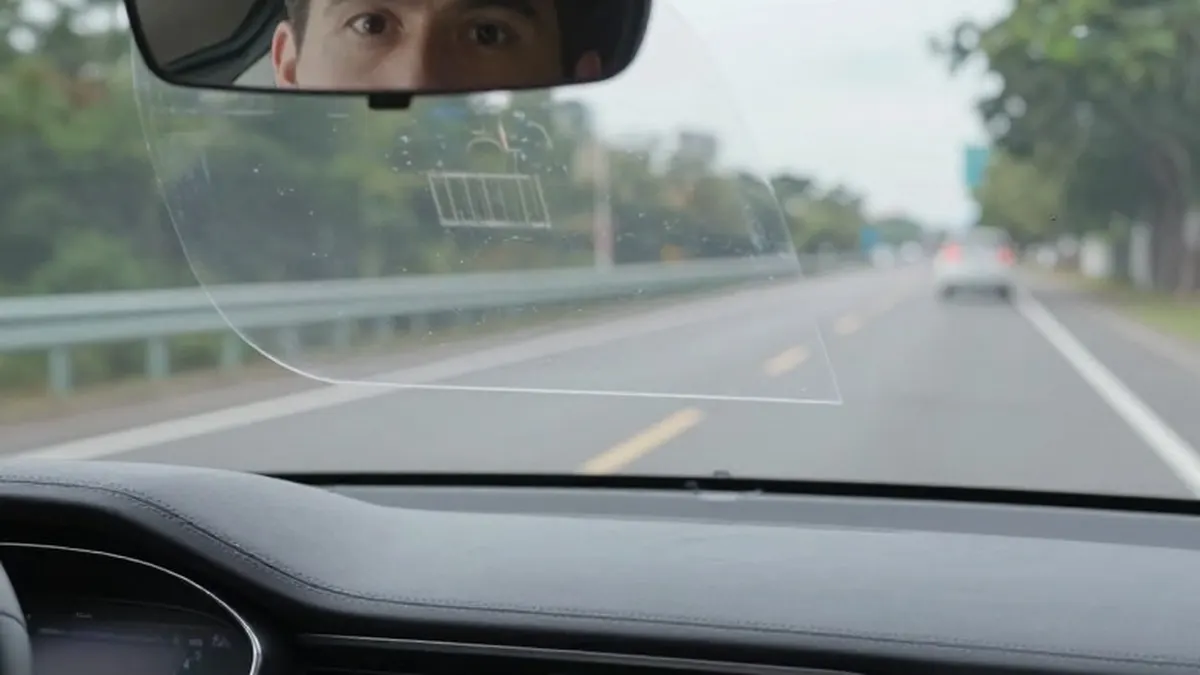
Whereas a traditional HUD projects images onto the windshield glass, the holographic display has two main components. It still uses a projector, but its key element is a special transparent film laminated into the glass. The film uses holographic optical elements, or 'super-small mirrors,' as Mercedes development engineer Lena Hees described them, that selectively reflect the light emitted by the projector, keeping the image visible even in direct sunlight while hiding it from the driver’s view.
Today, the passenger-side touchscreens in Mercedes and other luxury vehicles rely on driver-monitoring cameras or screen polarization to keep the driver from seeing what is playing on the passenger side.