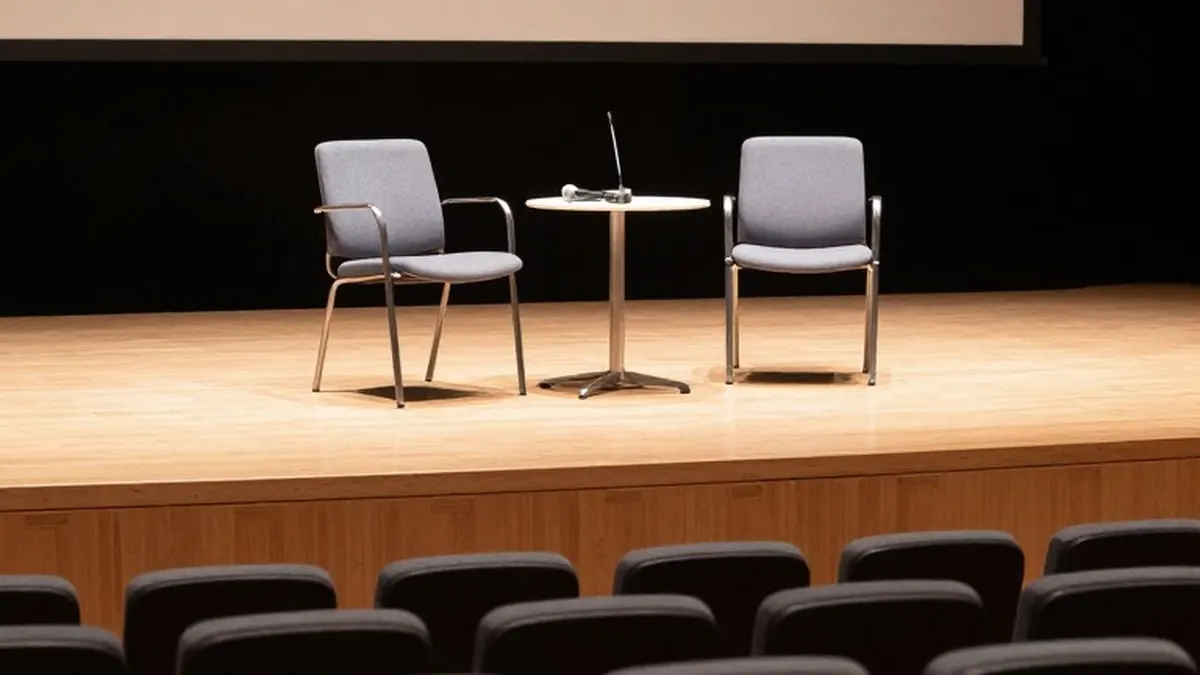
DeRay Mckesson says the shift in social media has left activists without a tool that once helped them quickly bring protesters into the streets. Speaking Tuesday at Web Summit in Lisbon, the Campaign Zero executive director reflected on Twitter’s importance to organizing while acknowledging the broader reach that Instagram and TikTok now offer civil rights campaigners.
“I miss Twitter. Twitter rest in peace. It was such a powerful platform for us back then,” Mckesson said during a webcast discussion moderated by The Hollywood Reporter editor-in-chief Maer Roshan. Mckesson emerged as a prominent Black Lives Matter protester and opponent of police violence in 2014. Roshan, who participated in the activist group ACT UP in the 1980s, joined him in examining the relative effectiveness of disruptive street demonstrations and strategic policy efforts.
Mckesson recalled how Twitter and Vine helped activists mobilize before Donald Trump’s first presidential election victory and before Elon Musk renamed Twitter as X. He said the growing prominence of Instagram and TikTok had moved digital activism toward more polished material that takes longer to produce. Recording and distributing video on Instagram, he noted, requires time that separates the process from the rapid, real-time posting once central to organizing on Twitter.
Still, Mckesson said the recent U.S. midterm elections demonstrated how effectively campaigners could use Instagram and TikTok to discuss candidates and their positions on contentious issues. Those platforms have opened storytelling and public conversation to more people, he argued. He also cited New York City Mayor Zohran Mamdani’s use of an influencer operation to make affordability a leading concern among New Yorkers when he first sought political office.
Mckesson linked the increased reach of social justice creators to growing fatigue with Trump. He identified immigration enforcement as a major source of backlash, discussing protests following arrests by hooded agents at school graduations and birthday parties, alongside attempted deportations around the country. Opposition to ICE, he said, now extends well beyond the relatively small activist circles concerned about the agency in 2014 and 2015.
That wider engagement also includes journalists, according to Mckesson, who said reporters are questioning deaths in jails in ways they previously were not. He argued that established news organizations have become more willing to scrutinize social and political systems and help draw attention to conduct that audiences might otherwise accept as normal.
Now a podcaster and digital storyteller, Mckesson co-hosts Crooked Media’s Pod Save the People, which addresses social justice, culture and politics. He said reaching listeners who already share his concerns remains valuable, particularly when advocating for people of color and underrepresented voices. “The choir needs good messaging,” he said, adding that audiences are better able to engage with nuanced discussions than they were in 2014.