Josh Gruenbaum, a senior adviser to the Board of Peace, issued a warning to Israeli leaders on Friday. He stated that the US-backed body overseeing the Gaza ceasefire will transfer control of the enclave to the United Nations if the Israeli government continues to obstruct efforts to disarm Hamas and rebuild the territory.
Gruenbaum expressed frustration in an interview with Ynet, noting that the board had been patient and allowed Israel space to maneuver. He emphasized that with the recent elections concluded, even though a clear coalition has not yet formed, the delay in honoring commitments made by Prime Minister Benjamin Netanyahu to US President Donald Trump is becoming increasingly difficult to justify.
The Board of Peace was created in January to execute Trump’s 20-point plan for ending the war between Israel and Hamas. This plan outlined a hostage exchange and the surrender of Hamas weapons in the first phase. The second phase involves the establishment of a technocratic committee to govern Gaza, the withdrawal of Israeli forces, and the start of reconstruction. Netanyahu accepted this framework in September 2025, leading to a ceasefire agreement the following month.
Despite the initial agreement, progress has stalled significantly. Hamas delayed accepting the disarmament plan until July 30, and Netanyahu subsequently argued that the proposal was inadequate. The board refrained from applying strong pressure on Israel during the lead-up to the October 27 election, believing Netanyahu would be reluctant to appear soft on Hamas before voters. The election results, however, were inconclusive, leaving Netanyahu as caretaker prime minister while coalition talks continue.
Gruenbaum described the current situation as a standstill caused by political elements within the Netanyahu government. He clarified that the board is not demanding military withdrawals or security compromises from Israel. Instead, it seeks authorization to operationalize the International Stabilization Force, a new Gaza police force, and the National Committee for the Administration of Gaza. Israel has declined to sign the necessary Status of Forces Agreement for the stabilization force or approve documentation for police training in Egypt.
Without these forces in place, there is no entity to receive Hamas’s weapons as required by the plan. Gruenbaum also highlighted concerns regarding humanitarian aid, warning that a catastrophic winter is approaching. He urged Israel to heed international calls to allow more aid into Gaza to prevent a crisis, while noting that Hamas also bears responsibilities toward the local population.
The adviser presented several alternatives if the Board of Peace steps aside. These include a future US administration with different priorities, the UN Security Council potentially working with UNRWA, the Palestinian Authority, Hamas, or full Israeli responsibility for all costs in Gaza. He noted that Israel has historically been critical of the UN, particularly UNRWA, due to its definition of refugees and alleged employee involvement in past attacks.
Gruenbaum stated that the board is prepared to let Israel act against Hamas if it cheats on disarmament, but first wants to test Hamas’s seriousness. Senior Israeli officials have indicated a preference for maintaining the status quo with a weakened Hamas and Israeli control over more than half the strip. Gruenbaum warned that the window for collaboration with President Trump is closing as the political atmosphere in Washington shifts following the US midterm elections.
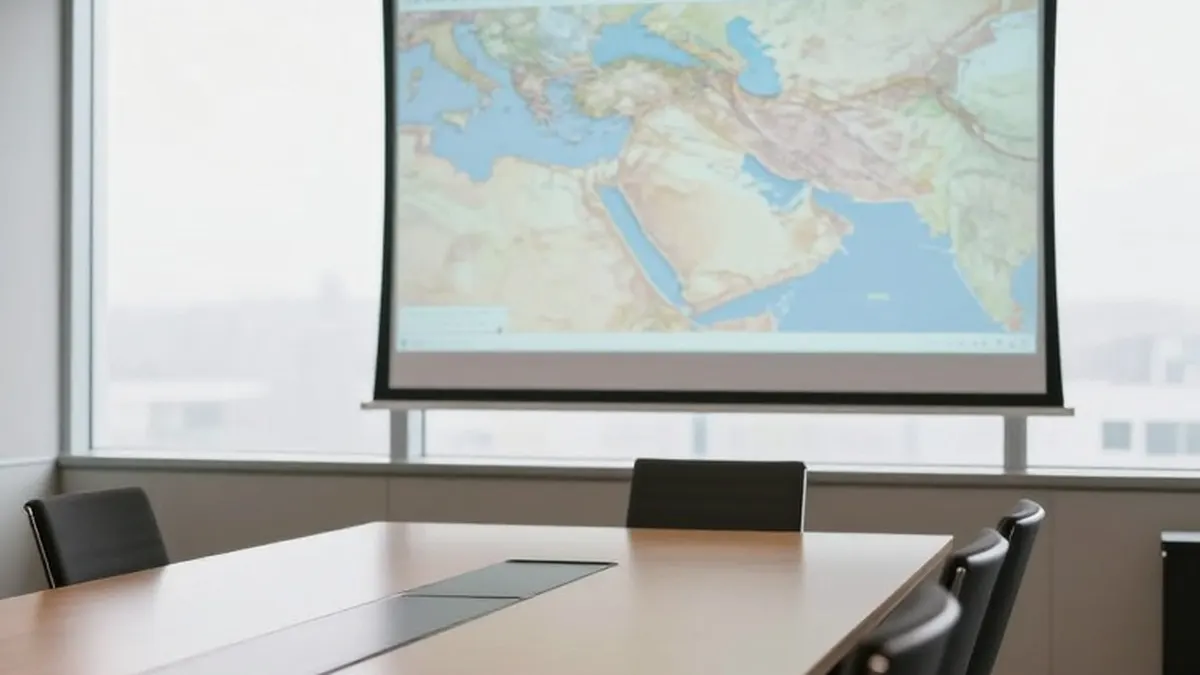
The board has shared a presentation with Israeli officials outlining these potential future scenarios for Gaza. Gruenbaum concluded that while the proposed solution is not guaranteed to succeed, it must be tested. He insisted that the Board of Peace is pushing for a sustainable outcome and that Israel should not stand in the way of this examination.