Bolivian authorities have detained a former senior judge on suspicion of drug trafficking. The arrest marks the latest development in a US-backed campaign targeting officials across Latin America who are suspected of maintaining ties to organized crime syndicates.
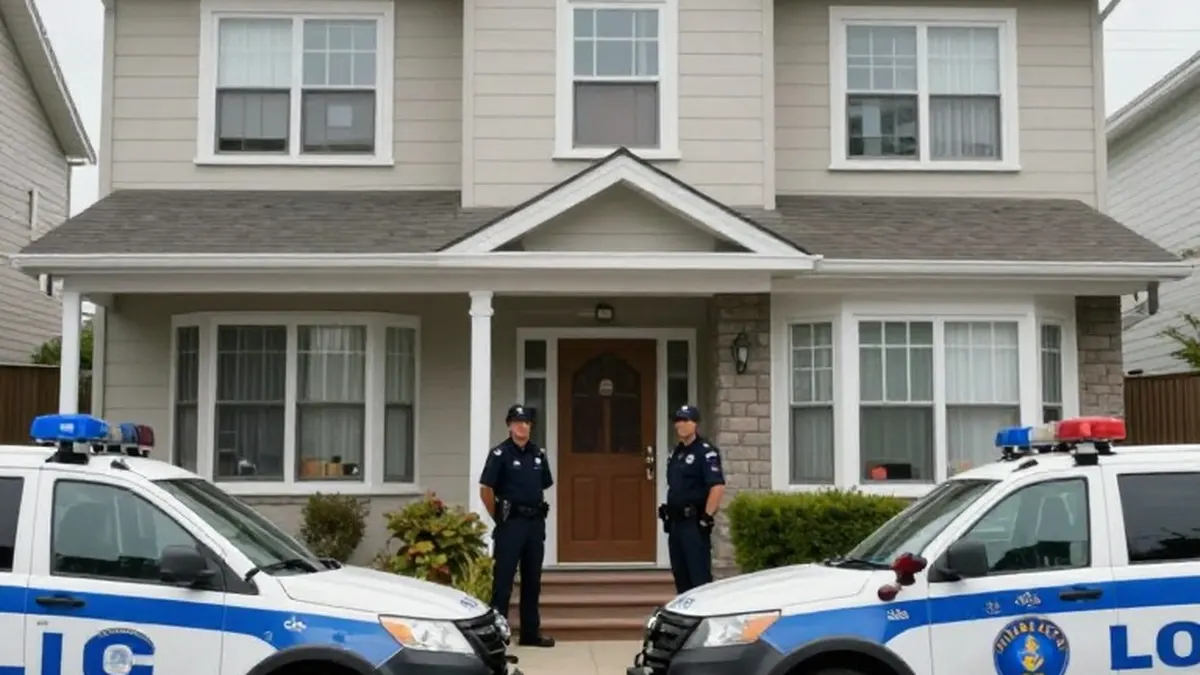
Prosecutor Marcelo Inchausti informed reporters that Aldo Quezada was taken into custody at his residence in Santa Cruz, located in the eastern part of the country, on Wednesday. The charges against him include drug trafficking and criminal association.
Quezada had stepped down from his position as chief justice of the Santa Cruz departmental court last month. His resignation followed his inclusion on a US visa restrictions list, which was prompted by alleged connections to drug trafficking networks.
This diplomatic measure is part of a broader strategy by the United States to scrutinize officials in the region. The US government has similarly cancelled the visas of officials in Colombia, Ecuador, and Peru under the same policy framework.
Quezada is the most recent in a series of high-ranking Bolivian judicial figures to face arrest since September. These detentions are driven by suspicions that these individuals had links to drug cartels. The previous notable arrest was that of former Attorney General Roger Mariaca.
Mariaca was detained on September 30 on charges of money laundering and drug trafficking. During the operation, police discovered bundles of cash that had been smuggled out of his home, providing physical evidence of his alleged financial dealings.
In September, the Trump administration announced that it had imposed visa restrictions on twelve Bolivian nationals and their family members. This action was detailed in a statement released by the US State Department, highlighting the intensifying diplomatic pressure on Bolivia.
The political context for these events has shifted significantly with the arrival of President Rodrigo Paz. The conservative leader assumed office on November 8, 2025, bringing an end to nearly two decades of governance by the Movement for Socialism party. Since taking power, Paz has actively pursued closer ties with the United States.
As part of this new strategic alignment, President Paz has signed Bolivia into the "Shield of the Americas." This initiative is a new US-backed security alliance designed to enhance regional security across the Americas, further integrating the country into a broader framework of international cooperation against transnational crime.