Burberry has moved back into profit after stronger demand for its coats, jackets and handbags over the summer helped its strategy of refocusing on core products. The British luxury company reported a pre-tax profit of £19m for the six months to 26 September, compared with a £48m loss in the same period a year earlier.
Sales increased by 6% to £1.1bn, supported by strong online and wholesale business, particularly in China and the US. Chief executive Joshua Schulman said the company had performed better than a difficult luxury market. “Our strategy is working,” he said.
China recorded sales growth of 15%, while sales in the Americas increased by 14%. The Europe and Middle East region recorded a 1% decline, which Burberry attributed partly to the Iran war. The results came as wealthy consumers around the world travelled less and approached spending more cautiously, weighing on the wider luxury industry.
Schulman said Burberry had benefited from offering products across a broad range of prices. Its relatively more accessible items include scarves starting at £195 and cotton-cashmere socks from £85. At the upper end, its bags and coats can cost more than £9,000 for a leather version. He said customers were tiring of exceptionally high luxury prices and that Burberry’s emphasis on value was finding particular support among Chinese shoppers.
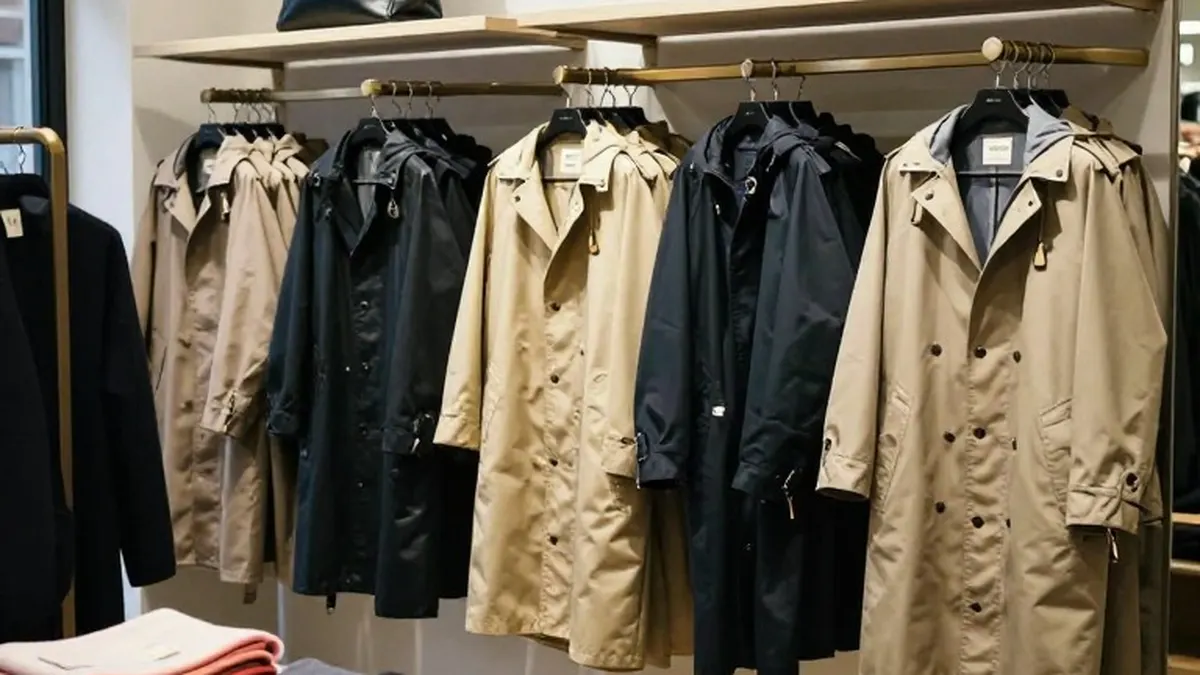
Among the products attracting buyers were lightweight jackets and raincoats made from “tropical” gaberdine. The company also reported popularity for its Cotswold leather bags and accessories carrying the Burberry check. Schulman described the brand as having a broader appeal and a somewhat more democratic approach than some European competitors.
The chief executive said the company had spent two years using its Burberry Forward strategy to restore its historical place in the luxury market. Marketing tailored to individual markets was also supporting sales, he said, pointing to special products for China’s Valentine’s Day celebrations this spring and the forthcoming lunar new year.
Reduced tourist spending has hurt sales at discount outlets, but Schulman said customers continued to spend in their home regions. That pattern had persisted throughout the year, he said, with local demand holding up at flagship city centre shops, including those in London.
Schulman did not predict when customers might become more willing to spend. He said the industry’s history suggested that luxury demand followed cycles, while acknowledging the uncertainty surrounding the timing of any change in shoppers’ behaviour.