The California Department of Motor Vehicles has officially banned Waymo from operating its autonomous vehicles on state freeways. The agency cited recurring safety issues, describing the driverless cars as an imminent hazard to the public after a series of recent incidents involving construction zones and law enforcement.
The restrictions were issued on Wednesday of last week. Jonathan Groveman, a spokesperson for the department, confirmed in a written statement that the ban prohibits Waymo from operating or testing its driverless vehicles on all California freeways. The decision follows a pattern of errors where the vehicles failed to navigate active road closures correctly.
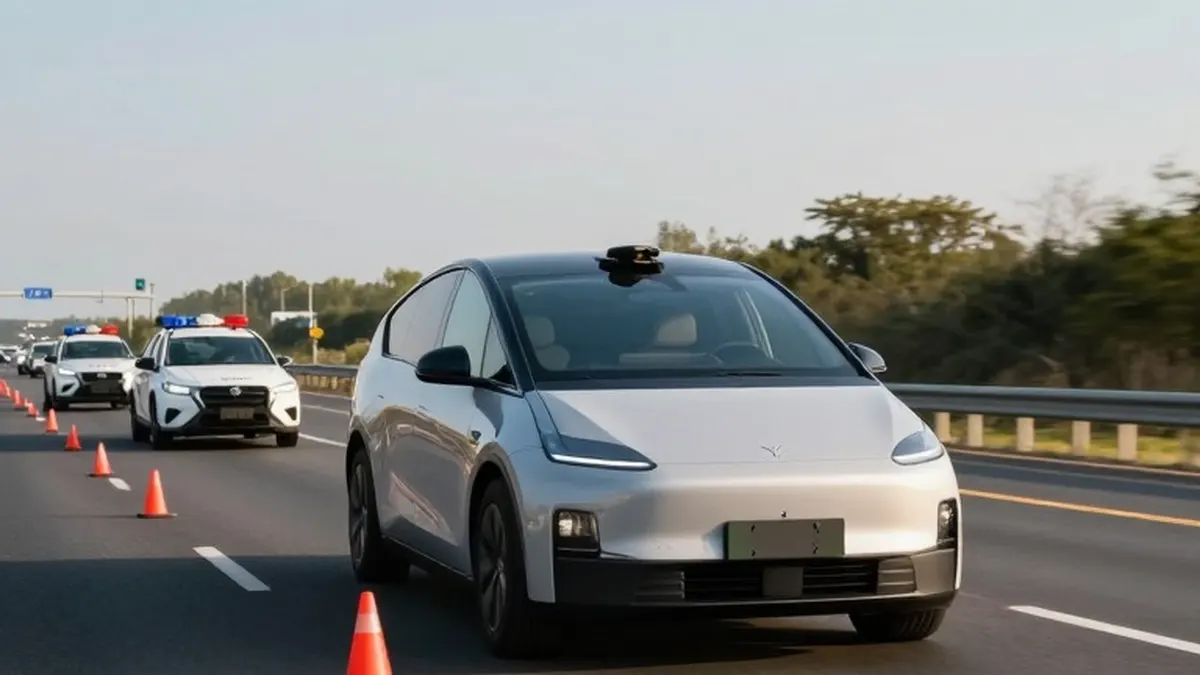
The immediate trigger for the ban involved three separate incidents on November 5, when Waymo vehicles entered an active construction closure south of San Francisco. A subsequent incident occurred the following day on a highway in San Francisco, involving California Highway Patrol vehicles. Footage of the November 6 event spread rapidly on social media, showing a Waymo robotaxi attempting to drive around patrol cars that were conducting a traffic break.
Groveman explained that the department determined the recurring incursions into construction zones, where workers and heavy equipment are present, posed a significant danger. He noted that similar incidents had occurred as early as May 18, suggesting a persistent issue with how the vehicles interpret complex road conditions.
Waymo, a subsidiary of Alphabet, operates the largest fleet of self-driving cars in the United States. The company expanded its services to freeways and interstates in the San Francisco, Los Angeles, and Phoenix regions over the past year. Despite the state ban, the company stated that its vehicles continue to operate normally on city streets within California.
In response to the ban, a Waymo spokesperson issued a statement addressing the specific incidents on US 101. The company emphasized that the recent encounters in construction zones did not result in any collisions or injuries. The spokesperson affirmed that safety remains the top priority for the autonomous fleet.
Beyond California, Waymo has taken precautionary steps in its other operating markets. The spokesperson revealed that the company has temporarily restricted freeway operations in those regions as well. This move allows the team to evaluate vehicle performance and ensure that similar issues are not occurring elsewhere.
The company is currently in discussions with the California DMV and other state officials. The goal of these talks is to identify the specific deficiencies that led to the restrictions and to implement effective corrective actions.
According to the department, the ban will remain in place until Waymo demonstrates that it has successfully addressed the identified safety gaps. Only after the agency is satisfied with the corrective measures will Waymo be permitted to resume freeway operations in the state.
This regulatory action represents a significant development in the rollout of autonomous vehicle technology, highlighting the challenges these systems face when navigating dynamic and complex highway environments.