President Paul Biya’s extended periods away from public view have drawn scrutiny to the exercise of power in Cameroon, where he has ruled since 1982. The 93-year-old returned to Yaounde on August 20 after a European stay that began on June 7. His arrival left unresolved questions about who directs government business during his absences and how presidential authority will eventually pass to a successor.
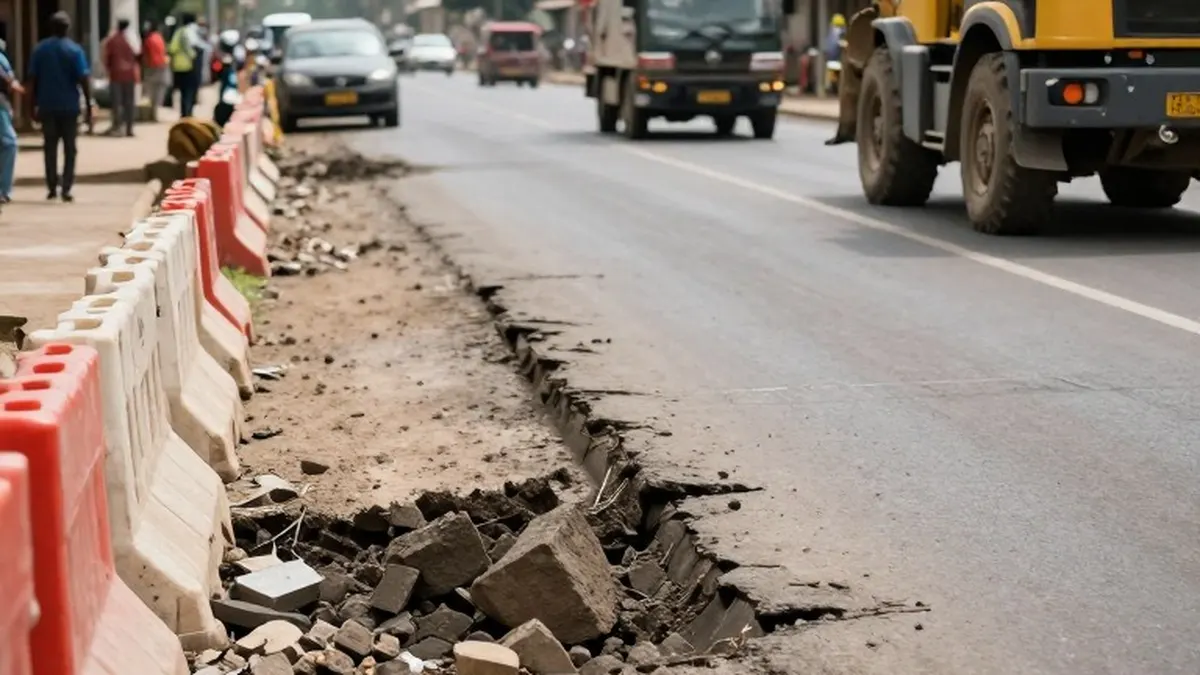
A roadworks disagreement in March illustrated tensions between different levels of government. Local media reported that Housing and Urban Development Minister Celestine Ketcha Courtes and Yaounde Mayor Luc Messi Atangana clashed over repairs to a road on the route of Pope Leo XIV’s visit the following month. The dispute brought attention to the wider issue of coordination when Biya is not visibly leading the administration.
Cameroon’s constitution places extensive authority in the presidency, including responsibility for national policy, military command and appointing the prime minister. Section 10 permits the president to delegate certain powers within officials’ areas of responsibility. A temporary inability to perform his duties requires an express delegation of some functions. Foreign travel alone neither establishes such an inability nor automatically hands authority to the prime minister. The government has not publicly detailed whether a clear delegation applies during Biya’s prolonged absences.
Ferdinand Ngoh Ngoh, secretary-general at the presidency, occupies a prominent position in this debate. His official responsibilities include receiving presidential instructions, overseeing implementation of decisions and coordinating administrations attached to the presidency. A decree signed on February 5, 2019, permanently authorised him to sign certain documents for Biya. That permission does not transfer presidential powers or make him the president’s constitutional successor.
First Lady Chantal Biya and the president’s son, Franck Biya, also feature in discussions of influence around the presidency, although neither holds a constitutional executive post. Africa-focused security analyst Ryan Cummings has suggested that people close to Biya may be taking more tangible roles. Such assessments do not establish who authorised individual decisions, and claims about competing networks remain difficult to verify independently.
A constitutional amendment approved on April 14 restored the vice presidency, giving Biya the power to appoint and dismiss its holder. Under the revised Article 6, the vice president would serve the remainder of the presidential term following the president’s death, resignation or permanent incapacity established by the Constitutional Council. No appointment had been publicly announced as of November 10.
If the presidency falls vacant without an available vice president, an election must take place within 20 to 120 days of the official vacancy. The Senate president would lead an interim administration, with responsibility passing to a Senate vice president according to precedence if necessary. The amendment therefore sets out a succession procedure, but accounts of factions positioning possible successors do not demonstrate an agreed plan.
Changes to military leadership have added to the scrutiny. Reuters reported on August 4 that three presidential decrees replaced commanders in four of five joint military regions, promoted the Presidential Guard chief to brigadier general and named a new Rapid Intervention Brigade commander. Pangea-Risk CEO Robert Besseling interprets the reshuffle partly as an effort to manage loyalty and potential threats. The decrees themselves gave no reasons for the appointments.
These questions persist as Cameroon confronts separatist conflict in its English-speaking regions and attacks linked to Boko Haram in the Far North. Government spokesman Rene Emmanuel Sadi defended Biya’s authority in August to decide when to form a government. Yaounde-based analyst Paul Anchang says institutions continue functioning, while Besseling describes “distinct institutional paralysis” in politics. The presidency did not respond to Al Jazeera’s request for comment.