On July 30, an estimated 70,000 undocumented immigrants crossed the border into the Spanish exclave of Ceuta from neighboring Morocco. The event, described by residents as an avalanche, resulted in at least 140 deaths. While the central government in Madrid claims most migrants have returned, local estimates suggest between 13,000 and 15,000 remain in the city, living in temporary camps with limited resources.
The influx has placed significant pressure on Ceuta, a city of approximately 84,000 residents where nearly half are of Moroccan descent. In the southernmost neighborhoods, including the industrial area of Tarajal, migrants reside in makeshift shelters lacking electricity and running water. Local volunteer Karim, who requested anonymity, noted that conditions are dire, with reports of residents being beaten by security forces at night.
Prime Minister Pedro Sánchez has attributed part of the crisis to disinformation campaigns linked to Israel and Russia. However, independent fact-checkers and Spanish intelligence have found no evidence supporting these claims. José Bentolila, president of Ceuta’s Jewish community, agrees that the allegations are unfounded, reflecting a broader view among local residents who see the situation as a domestic policy challenge.
Bentolila emphasizes that Ceuta has historically been a model of peaceful coexistence among its Christian, Muslim, Jewish, and Hindu communities. He notes that for decades, these groups have maintained strong social ties, with Muslims celebrating Hanukkah alongside their Jewish neighbors and vice versa during Ramadan. This spirit of unity persists despite the current strain on the city's resources.
The local Jewish community, which numbers around 300 people, has been shrinking for decades. Bentolila attributes this decline primarily to young people moving to the Spanish mainland for better employment opportunities rather than to religious tensions. Many families, including Bentolila's own, have sent their children abroad for education, leading to an aging population within the community.
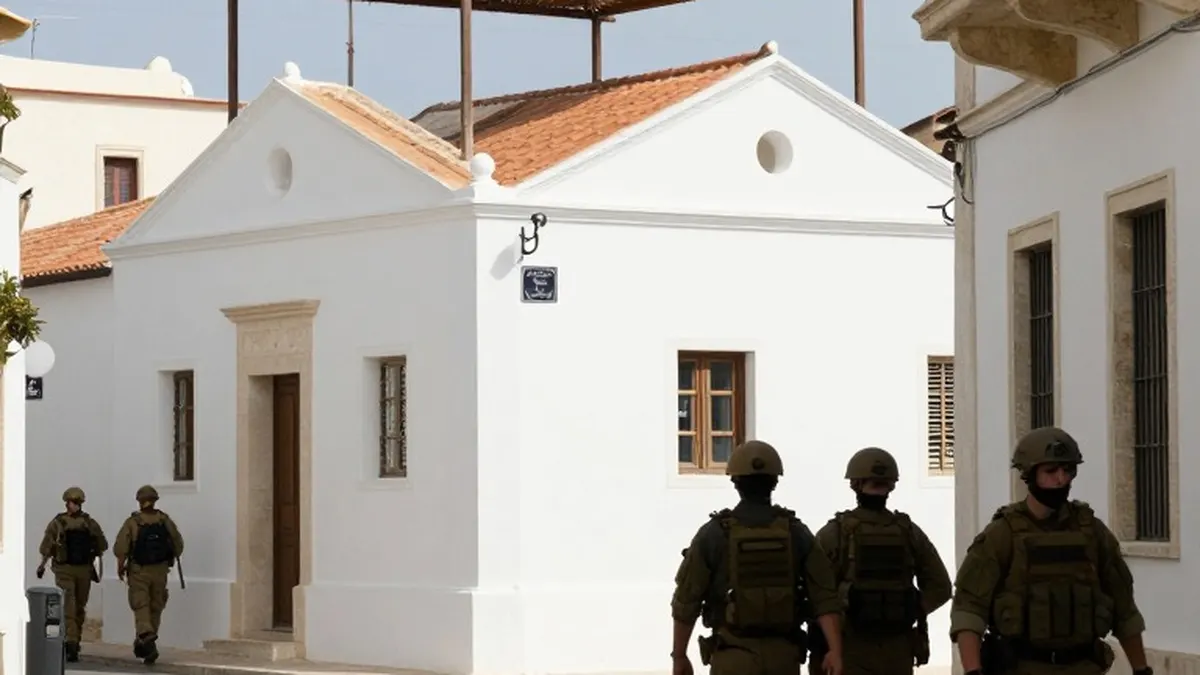
The presence of migrants has altered the daily life of Ceutans. Army patrols now seal off the city center to prevent unauthorized entry, with soldiers carrying assault rifles near key landmarks, including the Bet-El Synagogue. Residents like Alegría, who spoke under a pseudonym, express frustration with the government's handling of the legal status of the migrants, wondering why they are not arrested or deported.
Piedad Abecasis, another member of the Jewish community, shares these concerns about the changing dynamics in the city. She observes that the congregation is becoming more Orthodox, evidenced by new dress code signs at the synagogue. While she has not faced personal issues, she feels a growing anger as autumn rains worsen the conditions in the migrant camps, causing some to scatter into the city center.
Municipal official Isaac Medina, who is nearing retirement, does not view the migrant influx as a direct threat to the Jewish population. However, he acknowledges that security has been heightened around the synagogue, with military vehicles parked across the street. Medina draws a historical parallel to German Jews in the 1930s, warning that if Jews feel unsafe, they tend to leave, taking their belongings with them.
The crisis has also become a major issue in Spain's upcoming national election on November 29. Polling shows declining support for Sánchez's Socialist Party, with gains for the conservative Partido Popular and the anti-immigration Vox party. A majority of Spaniards now rate the government's handling of the Ceuta crisis negatively, with over 80 percent favoring stronger border controls.
Kissy Chandiramani, vice president of Ceuta’s autonomous government and a Hindu, blames the national government for the situation. She argues that Spain is being treated unfairly in its dealings with Morocco and highlights the Jewish community as a symbol of the city's diverse identity. She believes that if any of the four major religious groups were to disappear, the unique character of Ceuta would be lost.