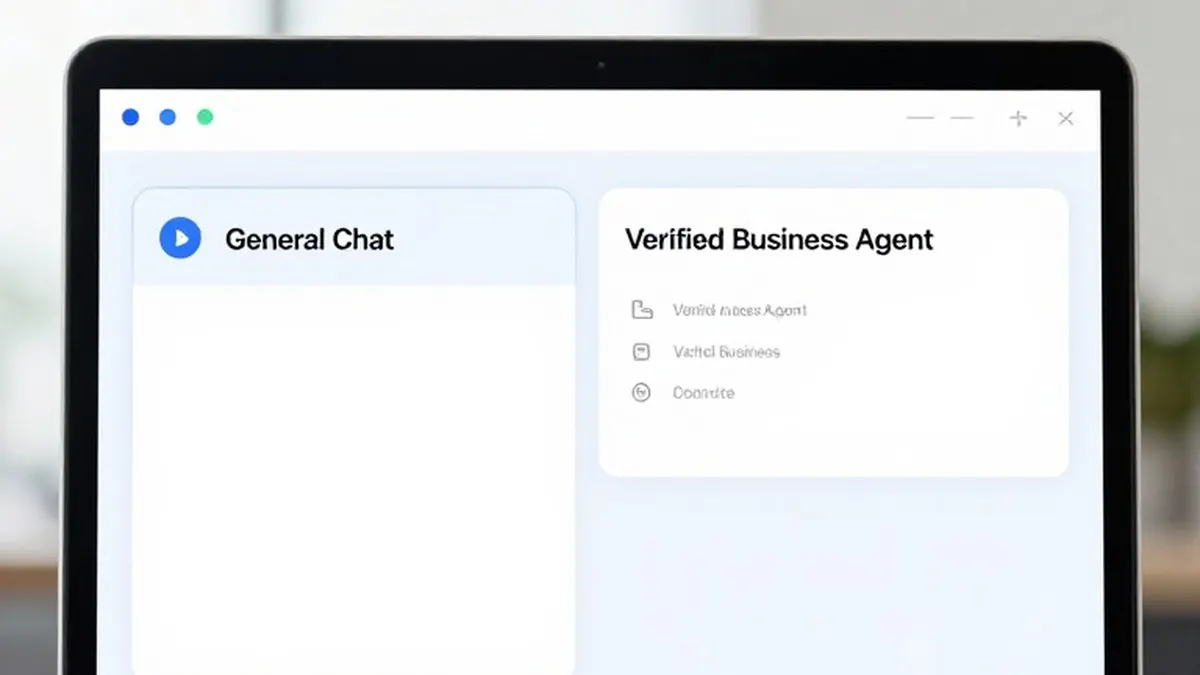
OpenAI is rolling out a new suite of business-focused features for ChatGPT, headlined by the introduction of verified AI agents designed to represent specific companies. This launch, currently in beta, marks a significant step in integrating corporate presence into the AI assistant. The initial availability is limited to eligible e-commerce and online service businesses operating within the United States.
These Business Agents function as digital representatives for their respective brands. Users can initiate a conversation with a Business Agent when a specific company appears in a standard ChatGPT response. Once engaged, the agent can address inquiries regarding the business's products or services. The system is designed to handle follow-up questions, such as comparing the differences between two distinct items offered by the company.
The creation of these agents involves a level of customization provided by the businesses themselves. Companies can define specific instructions and supply contextual information about their operations. This ensures that the AI agent responds with accuracy and aligns with the brand's voice and offerings. The goal is to provide users with reliable information directly from the source.
To maintain clarity for users, OpenAI has structured the interface to distinguish these interactions from regular chats. Conversations with a Business Agent are clearly labeled and exist in a separate space from the user's main ChatGPT conversation. This separation helps prevent confusion between general AI assistance and specific brand representation.
Verification is a core component of this new system. To help users confirm that they are interacting with an official representative, companies can claim their organization through a feature called Business Hub. This process grants a verified status to the agent. Benji Shomair, VP of monetization at OpenAI, noted in a press briefing that specific verification methods vary by business. Consequently, the company is not disclosing detailed technical specifics about how each verification is carried out.
Beyond simple verification, the Business Hub provides companies with analytical tools. Organizations can view insights into how their brand is mentioned within ChatGPT responses. They can also track top discovery topics, which highlight the specific areas or questions where their business frequently appears. This data allows companies to understand user interests and optimize their presence within the platform.
In a blog post accompanying the announcement, OpenAI described this launch as an early step in bringing businesses more deeply into the ChatGPT ecosystem. The company emphasized that it is starting with foundational elements, including accurate business information and useful insights. The aim is to facilitate conversations that help people make informed decisions.
OpenAI indicated that this is only the beginning of its strategy for business integration. The company plans to explore additional ways for businesses to connect with customers, whether directly or through agents, both within ChatGPT and in other contexts. The ultimate objective is to make the platform more useful for decision-making while providing businesses with new avenues for participation and growth.
The introduction of these agents represents a shift in how AI assistants handle commercial interactions. By allowing verified entities to participate, OpenAI seeks to bridge the gap between general AI knowledge and specific brand expertise. This approach may influence how consumers shop and research products in the future, relying on AI-mediated brand interactions for detailed guidance.
As the beta phase progresses, OpenAI will likely refine the features based on user and business feedback. The focus remains on accuracy and utility, ensuring that the integration of business agents enhances the user experience without compromising the core functionality of the assistant. This development positions ChatGPT as a potential hub for both consumer queries and business engagement.