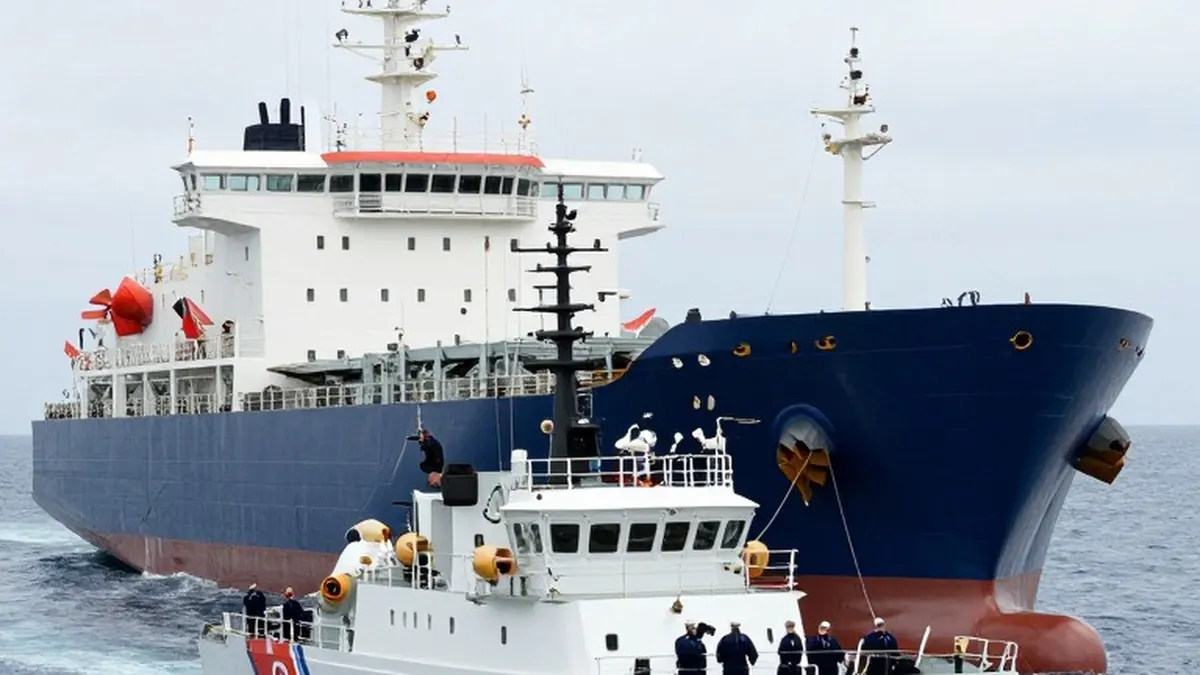
U.S. authorities confirmed on Monday that the Coast Guard deployed specialized cyber teams to board two foreign-flagged commercial vessels in August. The operation was conducted after intelligence indicated that the ships' internal networks had been compromised by foreign cyber actors. The vessels were inbound to U.S. ports at the time of the intervention.
The boardings took place on August 21 and August 24 in the Gulf of America. The primary objective was to mitigate potential threats before the ships reached American waters. A Coast Guard spokesperson stated that the measures were designed to ensure the integrity of both operational and information technology systems on the vessels.
This confirmation aligns with reports from The Wall Street Journal, which stated that U.S. investigators are examining whether Iran was involved in a series of cyberattacks targeting energy tankers. According to the outlet, officials believe as many as 50 vessels carrying oil, liquefied petroleum, chemicals, and other potentially explosive cargo may have been targeted.
The initial boarding on August 21 involved a multiagency team. This group included law enforcement personnel, members of the Coast Guard Cyber Protection Team, a vessel inspector, and operators from the FBI Cyber Action Team. They worked to investigate the suspected cybersecurity breach aboard the first vessel.
A similar verification operation was carried out on the second vessel on August 24. The Coast Guard noted that the captains, crews, and shore-side corporate staff were critical partners in ensuring the threats were effectively mitigated. The agency emphasized that the process was collaborative and relied heavily on the cooperation of the ship's personnel.
According to The Wall Street Journal, the attackers exploited known vulnerabilities in Fortinet networking equipment. The report added that crews on some targeted ships received bomb threats warning that traitor ships would burn in hell. A European shipping executive noted that officers also received threats on their personal cellphones.
One specific incident involved a ransom letter addressed to the captain of the Liberian-flagged supertanker Prosperity. The vessel was carrying approximately 2.3 million barrels of oil at the time. The letter described the cyber operation as a planned execution. Hackers reportedly breached the propulsion and navigation systems of one vessel, disrupting communications for roughly 30 hours and forcing the crew to switch to manual procedures.
The Coast Guard reported that no operational disruptions, vessel instability, threats to crew safety, or environmental impacts were observed during the boardings. The agency is currently coordinating with port operators, vessel owners, and local maritime stakeholders to ensure that port operations continue safely and without interruption.
A Coast Guard spokesperson highlighted the importance of the Marine Transportation System to America's economic prosperity and national security. The spokesperson explained that safeguarding against cyber risks is a standard part of the safety and security mission. Cyber risk management is now incorporated into the routine approach for facilitating commerce and ensuring safe vessel transits.
While confirmed cyber disruptions in the maritime domain remain uncommon, the agency noted that even isolated technical issues can cause avoidable commercial delays. The Coast Guard encouraged all maritime stakeholders to use the free, non-regulatory technical resources available from Coast Guard Cyber Command. They also advised stakeholders to maintain strong digital hygiene and report any suspected anomalies to the National Response Center.