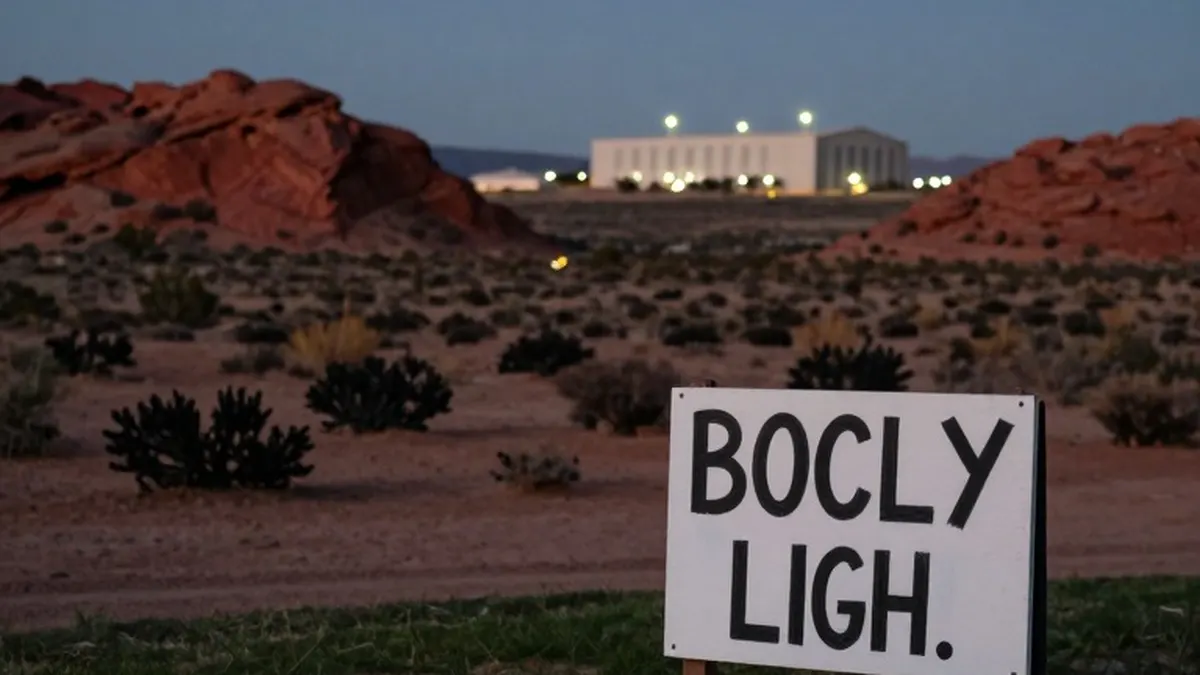
In Page, Arizona, a proposed $10 billion data center has turned a quiet desert town into a political flashpoint. Doug Herrera, 64, lives in the house his father built and wonders whether his father's death from cancer was tied to pollution from nearby uranium mining. He now fears a new facility could threaten his health too. "I'm a patriot, but I'm highly against the data center," he said, citing light, sound and heat concerns.
Page sits near Horseshoe Bend, a famed curve of the Colorado River. The City Council approved the sale of 500 acres for the project, though the exact site within that land has not been chosen and the developer still needs zoning and other approvals. Residents worried about health effects have signed petitions and organized against construction. In July, voters removed the mayor amid backlash over the land sale, which opponents describe as a warning to candidates who back new projects.
The fight reaches well beyond Page. In Arizona's 1st Congressional District, the leading candidates disagree on new data centers, and the state's attorney general has called for a pause on approvals and building. Republican Jay Feely, who won his primary with an endorsement from President Trump, says the facilities are key to keeping pace with China. Democrat Amish Shah wants a pause on new construction in the district. The race is considered competitive and could help decide House control after the Nov. 3 midterms.
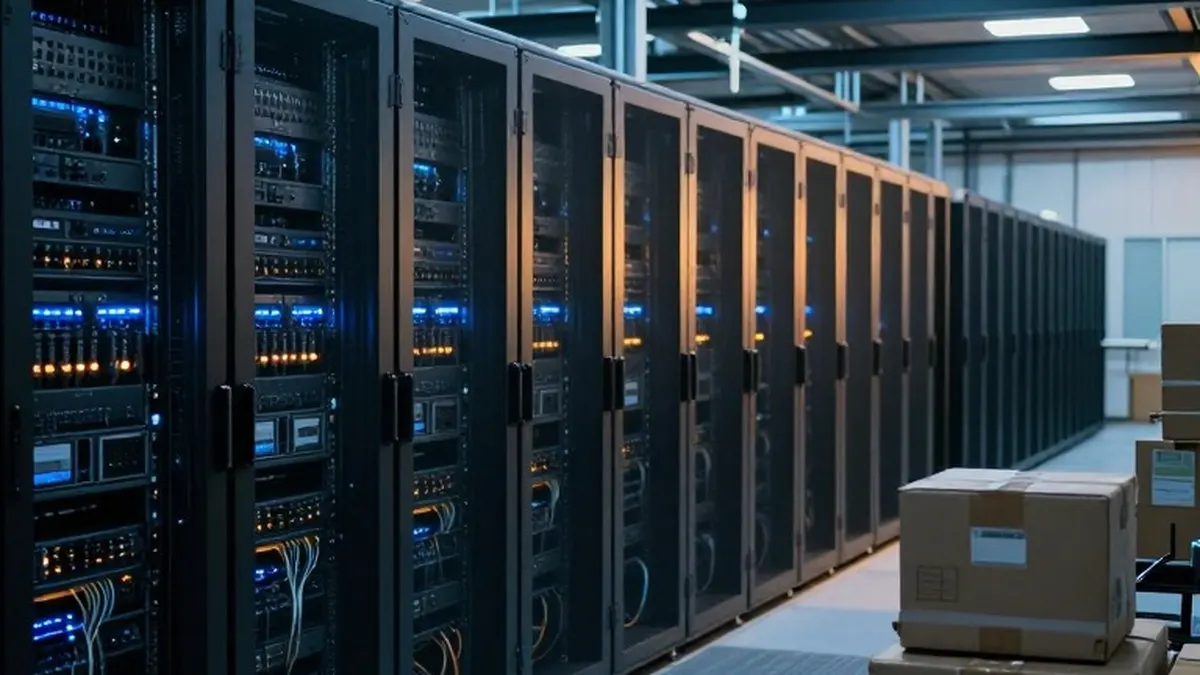
Emerging research is feeding the debate. Environmental studies have linked air pollution from data centers, which use large amounts of electricity and rely on backup gas generators during peak demand, to heart conditions, respiratory problems and higher cancer risks. Modeling led by University of California-Riverside researchers estimated emissions could cause nearly 1,300 deaths a year by 2030 and a public health burden above $20 billion annually in 2028. Advocacy and environmental groups also point to noise that can exceed 90 decibels, light pollution, possible forever chemicals in cooling components, and localized heat zones.
Alison Steele, executive director of the Environmental Health Project, said the science is only beginning. "By the time we have a substantial volume of research it's going to be too late, because the decisions are being made now," she said. The Data Center Coalition, an industry trade group, said a review of the largest data center market found backup power use, including diesel generators, is minimal and that state and federal rules limit emissions and impacts. Executive vice president Dan Diorio said data centers are committed to being responsible partners.
Public opinion appears to lean against the buildout. An October Washington Post-ABC News-Ipsos poll found two in three Americans oppose new data centers, and an August Noble Predictive Insights poll found 57% of Arizona registered voters opposed to more large ones. About 1,400 data centers operate in the U.S., with more than 2,000 additional ones planned. According to Cleanview, 60% of capacity under construction is in states Mr. Trump won by five points or more, and excluding Virginia, 92% is in states he won.
Lee Hannah, a political science professor at Wright State University, said that puts Mr. Trump's coalition at risk because the facilities are often built in rural areas where he has enjoyed large margins. He said grassroots opposition has grown so quickly that earlier decisions to back a data center can now be "career-ending."
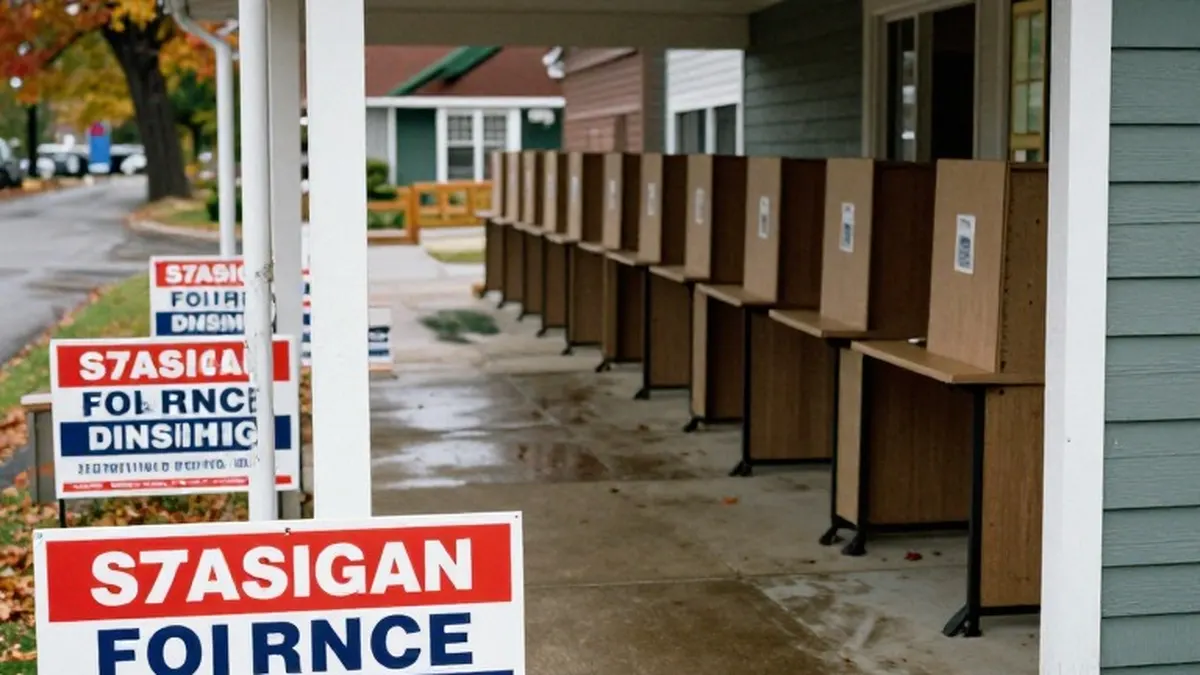
Ohio shows the stakes. More than a dozen local referendums or initiatives on data centers are on ballots there, the most of any state, after roughly $2.5 billion in tax breaks over the past decade drew Meta, Amazon, Google and others. In the U.S. Senate race, Democrat Sherrod Brown is attacking Republican Sen. Jon Husted in ads calling him "the face of data centers." An August memo from the National Republican Senatorial Committee, obtained by Politico, called the issue "the anchor hanging around Husted's neck." Husted frames it as a local decision and says companies should pay for infrastructure costs, including energy.
An early-October Ohio Northern University and SurveyUSA survey found 55% of Ohio adults opposed data center construction. Back in Page, resident Jan Boehme, who lives near the proposed site, said she worries about noise and possible hearing loss. "We're against it," she said.