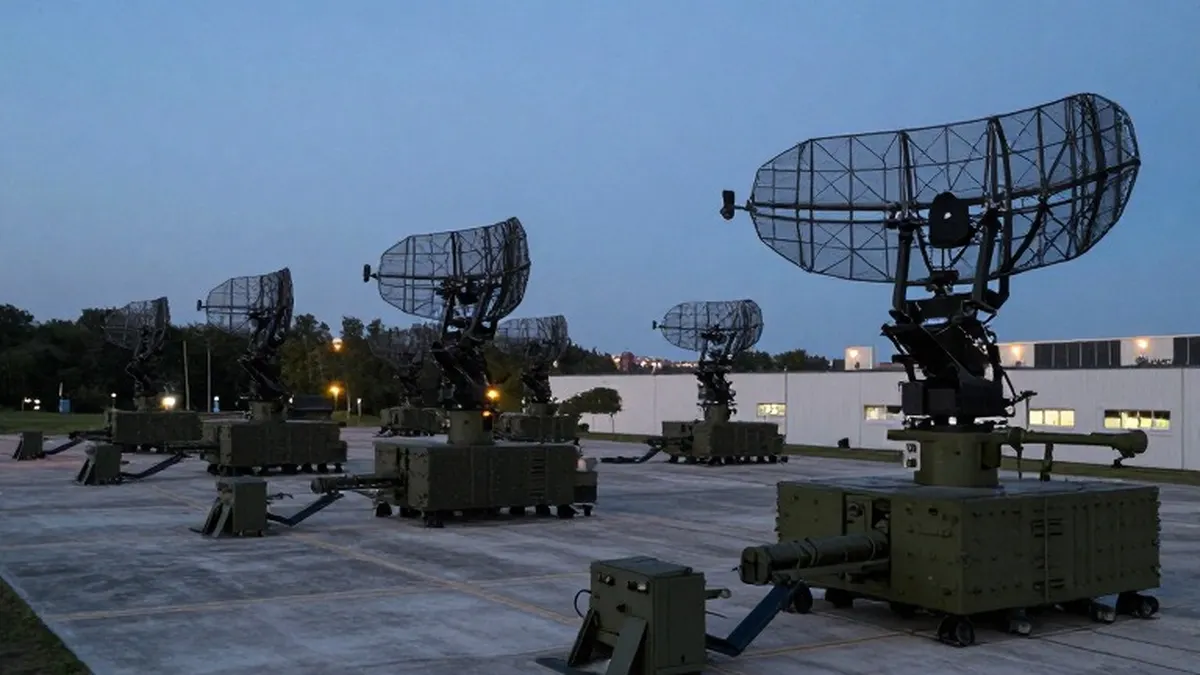
European countries are increasingly questioning their strategic decision to rely heavily on American defense technology over the past decade. Nations across the continent have become dependent on U.S. equipment to support air defense systems, including fighter jets and missile interception systems like the Patriot. This choice was initially viewed as logical, given the high quality of the technology and the belief that purchasing American goods would ensure U.S. commitment to European security.
However, the assumption that this equipment would be readily available has proven incorrect. A major backlog has formed in missile production, driven by manufacturing delays and the U.S. military's own substantial needs in the region. As demand from European buyers continues to rise, the supply chain has struggled to keep pace. This has left many European nations waiting for hundreds of missiles that were expected to arrive on time.
The situation is further complicated by the fact that countries that have purchased systems like the Patriot are now locked into American equipment. They cannot easily switch to alternative suppliers to secure additional missiles. While the United States is currently focused on its conflict with Iran, threats from Russia remain a significant concern for Europe. Consequently, many European nations find themselves at the mercy of defense contracts, facing delays and higher costs as they wait for their orders to be fulfilled.
Analysts suggest that Europe missed a critical opportunity in 2022 to invest in homegrown defense systems. Calls to localize the funding and ordering of air defense were largely ignored, creating a strategic gap that is now clearly visible. The current situation highlights the vulnerability of depending on a single supplier for critical military hardware during a period of heightened global instability.
Business journalist Paddy Hirsch noted that while no one could have predicted the extent of the strain in U.S. European relations, the issue of over-dependence is not new. Previous presidents had discussed the topic, but current leadership has forced the issue more aggressively. Hirsch argued that this pressure may ultimately benefit Europe by accelerating its efforts to become more self-sufficient in defense, rather than relying on the unpredictability of American political will.
The broader implications of this shift extend beyond immediate military needs. As European interests and those of the United States may diverge in the coming decades, the need for independent defense capabilities becomes more pressing. The current backlog serves as a stark reminder of the risks involved in outsourcing critical security infrastructure to a single partner, especially when that partner has its own competing global priorities.
The debate over defense procurement is now a central topic in European policy discussions. Governments are reevaluating their strategies to ensure they can meet future threats without being held back by foreign production schedules. This reassessment marks a significant turning point in how the continent approaches its long-term security architecture.