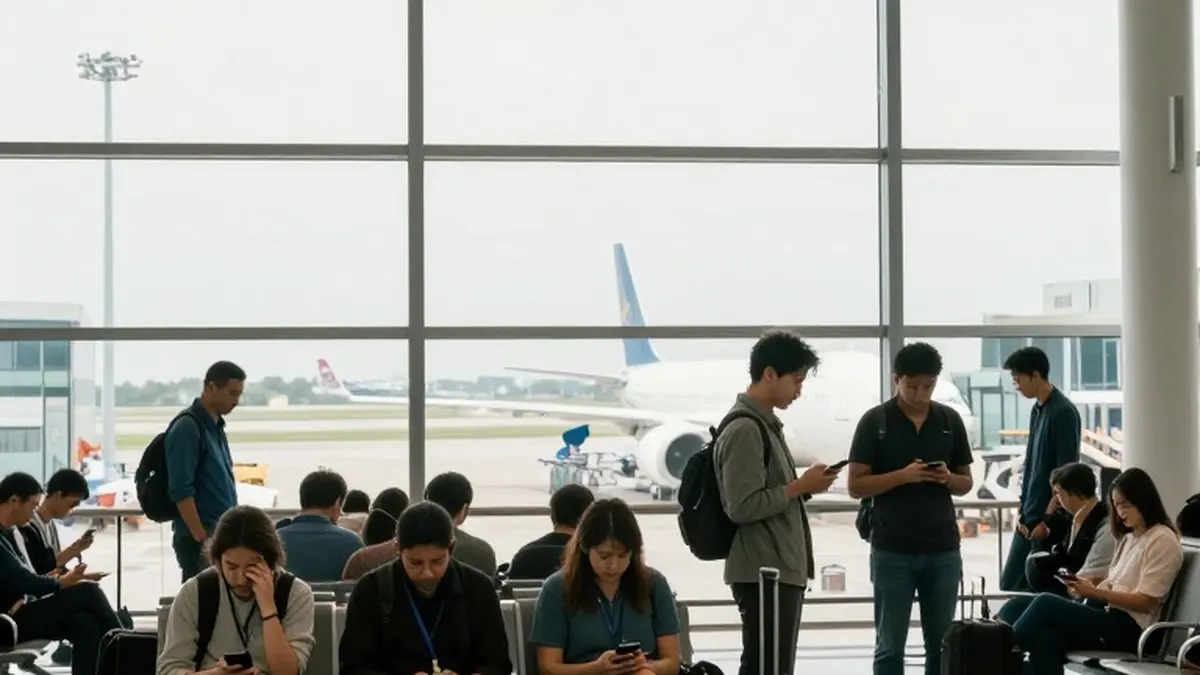
Air travel is inherently subject to disruption, with delays and cancellations arising from weather, mechanical issues, or other operational factors. However, the Federal Aviation Administration's decision to implement a nationwide ground stop on November 13 introduced a less common cause of interruption. This event, triggered by technical and communication problems that rendered flying unsafe, lasted approximately four hours. While normal operations resumed relatively quickly, the incident resulted in thousands of flights being either cancelled or significantly delayed, raising important questions for travelers regarding their insurance protection.
Given the rarity of such a widespread ground stop, many passengers are now scrutinizing their travel insurance policies to determine if they are covered. Generally, travel insurance provides coverage for flight cancellations or delays that exceed a specific duration, though this minimum threshold varies by plan. Crucially, the disruption must stem from a covered reason. Equipment failure is a standard covered cause, and since the November 13 ground stop was attributed to a maintenance update, it likely qualifies under this category for most insurers. Nevertheless, the final determination rests with the specific provider and the extent of the delay.
Most standard policies include trip delay coverage, which is designed to reimburse travelers for expenses such as meals, hotel stays, and essential transportation if a trip is delayed beyond the policy's minimum requirement. Common thresholds for these policies range from six to twelve hours. For the recent ground stop, which lasted only four hours, a simple delay might not trigger reimbursement unless it pushed the total delay past the policy's limit. Flights cancelled outright during the stop may have different implications than those merely delayed by a few hours, particularly if the disruption forces a traveler to leave the airport and secure overnight lodging.
In cases of cancellation, airlines typically offer passengers the choice between rebooking on a later flight or receiving a full cash refund. While this addresses the cost of the ticket, it does not cover other prepaid, non-refundable expenses such as hotels, tours, or cruises. Additionally, travelers may incur extra costs for meals and transportation while waiting for a new flight. Trip cancellation and interruption coverage within a travel insurance policy is intended to bridge this gap. Cancellation coverage reimburses prepaid costs if a covered reason prevents the trip from starting, while interruption coverage handles unused costs and the expense of returning home once the journey is underway.
Despite these provisions, coverage is not guaranteed in every scenario. Travelers should review their specific policies before a disruption occurs to avoid unexpected out-of-pocket expenses. One common reason for denial is the type of plan purchased. Basic or trip cancellation only plans often lack trip delay coverage, meaning that only more comprehensive plans would likely provide reimbursement for ground stop related expenses.
Another factor is the time threshold. If a policy requires a delay of six hours for coverage, a five hour delay will not qualify, leaving the traveler to pay for any additional costs incurred. Furthermore, some policies have strict definitions of what constitutes a covered delay. For instance, a plan might only cover delays caused directly by the airline, such as a mechanical failure on a specific plane. An FAA mandated ground stop, which affects all carriers, may not fit this narrow definition in some cases.
The bottom line is that while ground stops are infrequent, they highlight the value of understanding one's insurance coverage. Aging infrastructure in airports and communication systems could make these events more common in the future. Since airlines are often not required to provide hotel vouchers or reimburse costs for disruptions outside their control, travel insurance serves as a critical safety net. By carefully selecting a plan and understanding its specific terms, travelers can better protect themselves against the financial impact of rare but significant flight disruptions.