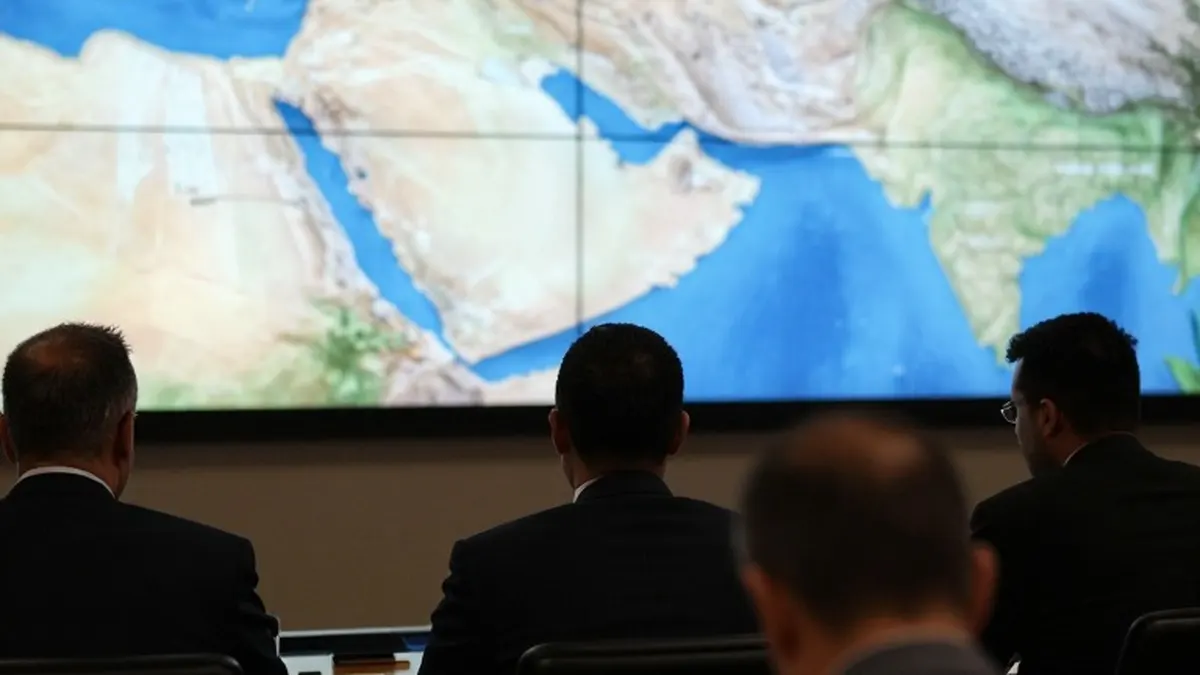
Senior officials in the administration of US President Donald Trump are actively debating whether the American military should launch strikes against high-ranking Iranian leaders. The primary goal of this proposed strategy is to remove hardline figures from the regime, according to a report published by NBC News on Tuesday. The network cited a US official and another person familiar with the internal discussions as sources for this information.
Despite the active deliberations, President Trump has not yet reached a final decision on whether to authorize the operation. The debate highlights a significant divide among advisors regarding the potential military and diplomatic consequences of targeting the Iranian elite.
Proponents of the strike argue that eliminating senior hardliners would increase pressure on the remaining leadership. This approach is seen as a potential method to help Trump bring the ongoing war to a conclusion by weakening the resolve of those currently in power.
Conversely, opponents of the plan warn that the strategy could produce the opposite effect. They contend that decapitating the leadership might harden Tehran’s position rather than soften it. Additionally, critics suggest that such moves could damage Washington’s credibility in any future negotiations, making it more difficult to reach a diplomatic resolution.
Military leaders within the United States have also raised concerns about the proposal. Some have warned that targeting senior Iranian officials could put American officials at greater risk, suggesting that the operational risks may outweigh the strategic benefits.
The idea of targeting senior Iranian leaders has been part of the strategic menu presented to President Trump for some time. However, the option has received renewed attention in recent weeks. This resurgence in discussion coincides with the president’s ongoing evaluation of various methods to end the war, including the possibility of resuming major combat operations.
The current conflict began in February with a decisive shift in Iran’s leadership structure. On the first day of the war, the United States and Israel killed Iran’s then-supreme leader, Ayatollah Ali Khamenei. Following his death, his son, Mojtaba Khamenei, was named as his successor in March, establishing a new line of command in Tehran.
In interviews conducted last week, Trump suggested that he might wait until after the new year before taking major new action against Iran. This timeline allows for further deliberation and potentially aligns with broader strategic planning cycles within the administration.
An administration official told NBC that the president has several options available to him. The decision will focus on determining the most effective way to prevent Iran from acquiring a nuclear weapon, a key objective in the broader conflict dynamics.