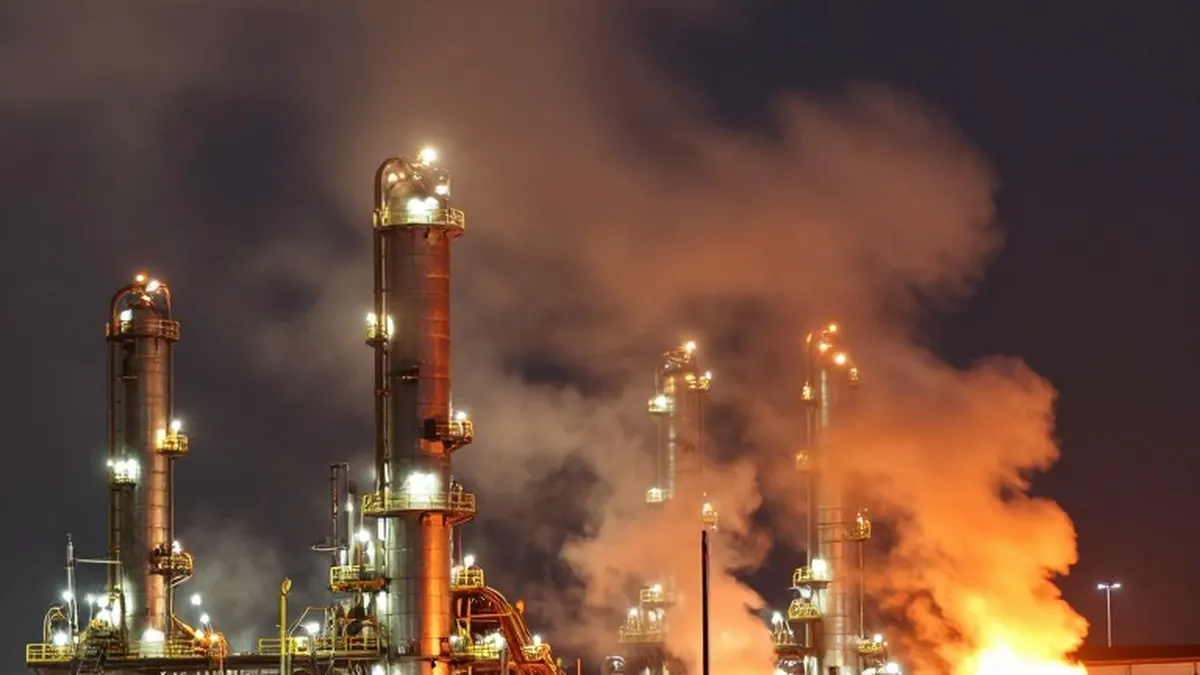
Drones have apparently attacked two significant oil refineries located in Russia's Samara Oblast, triggering fires at both facilities. The targeted sites are the Novokuibyshevsk and Syzran refineries, which are both owned by the state-controlled energy giant Rosneft.
Local residents in the city of Syzran reported hearing the distinctive sounds of drones before explosions were heard near the industrial complexes. Following the strikes, an air-raid warning was issued for the broader Samara Oblast region due to the perceived drone threat. While official confirmation that the facilities were directly hit is still pending, the impact appears significant based on preliminary reports.
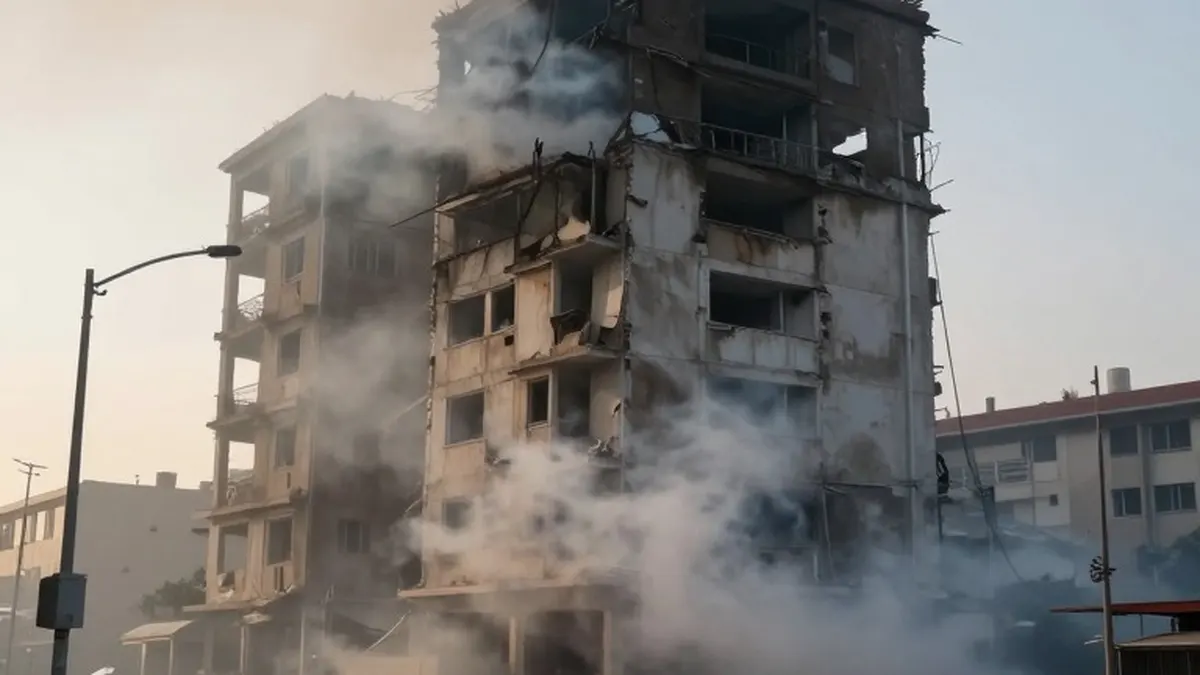
Visual evidence of the incident is spreading rapidly online. Photos and videos shared by witnesses capture the bright glow of the fires burning at the two locations. These images provide a stark visual record of the attack, although independent verification of the extent of the damage remains ongoing.
The Syzran oil refinery is one of the largest industrial facilities in the region. It began operations in 1942 and has been part of the Rosneft portfolio since 2007. The plant has a design capacity to process between 8.5 and 8.9 million tonnes of crude oil annually. It handles crude oil sourced from Western Siberia and Samara Oblast, producing a range of products including petrol, diesel, aviation kerosene, heavy fuel oil, marine fuel, and bitumen.
The Novokuibyshevsk refinery, also under Rosneft ownership, has been operating since 1951. This facility has a primary crude oil processing capacity of 8.8 million tonnes per year. Similar to its neighboring counterpart, it produces petrol, diesel, and aviation fuel, along with lubricants, bitumen, and other petrochemical products. The scale of these operations makes them critical components of the Russian fuel supply chain.
Both of these facilities have a history of being targeted by drones, suggesting they remain high-priority objectives for Ukrainian forces. The repeated targeting of such large-scale infrastructure underscores the strategic importance of Russia's refining capabilities in the ongoing conflict.
This latest attack follows a series of strikes on Russian energy infrastructure. On November 23, Ukraine's defense forces, in coordination with an insurgent movement operating inside Russia, struck the Lukoil-Permnefteorgsintez oil refinery in the city of Perm. During the same operation, the Kaleikino oil pumping station in Tatarstan was also targeted.
The pattern of these attacks highlights a sustained effort to pressure Russia's energy sector. By hitting refineries and pumping stations across different regions, the strikes aim to disrupt the flow of fuel and challenge the resilience of the Russian industrial base.
As the fires burn, the immediate focus is on assessing the damage and ensuring the safety of personnel and nearby communities. The air-raid warnings serve as a reminder of the ongoing vulnerability of Russian territory to long-range drone strikes.
The incident adds to the growing list of Russian energy assets affected by the conflict. With no official confirmation yet from Moscow regarding the specific damage, the situation remains fluid. Observers are watching closely to see if these strikes will have a measurable impact on fuel production and distribution in the weeks to come.