
Prosecutors in Jerusalem filed an indictment on Monday against Abdullah Jamjoum, a pharmacology student and assistant pharmacist for Clalit Health Services. The charges allege that Jamjoum planned a suicide attack targeting Jewish visitors at the Temple Mount. This legal action follows the earlier arrest of his co-conspirator, Muhammad Shalbi, who is already facing charges for a similar but distinct explosive plot.
The two suspects, who are both students at al-Quds University in East Jerusalem, allegedly first met at a mosque in the Beit Hanina neighborhood roughly three years ago. According to the indictment, they were radicalized within that community and attended sermons for approximately one year. The preacher at the mosque is said to have advocated for suicide attacks against Jews, a belief that shaped the men's subsequent actions.
Jamjoum was arrested on October 13, while Shalbi was taken into custody in August and formally indicted on October 8. The Jerusalem District Attorney’s Office filed the new indictment at the city’s District Court. Jamjoum faces two primary counts. He was charged with conspiracy to commit a terrorist act with a firearm for his role in assisting Shalbi, a crime that carries a maximum sentence of 14 years. Additionally, he was charged with training or instruction for terrorist purposes for his own plot, which carries a maximum penalty of seven years.
The indictment details that Shalbi, who was a first-year student at the time, repeatedly sought technical advice from Jamjoum regarding the creation of explosive devices. Jamjoum shared his specialized knowledge from his studies and work as an assistant pharmacist. About a year before his arrest, the two men, along with two others, traveled to Ramallah to procure materials for Shalbi's plot. There, Shalbi purchased chemicals for explosives, while Jamjoum bought perfume bottles to help them blend in and avoid suspicion. The salesperson reportedly warned them to be careful and not do anything stupid.
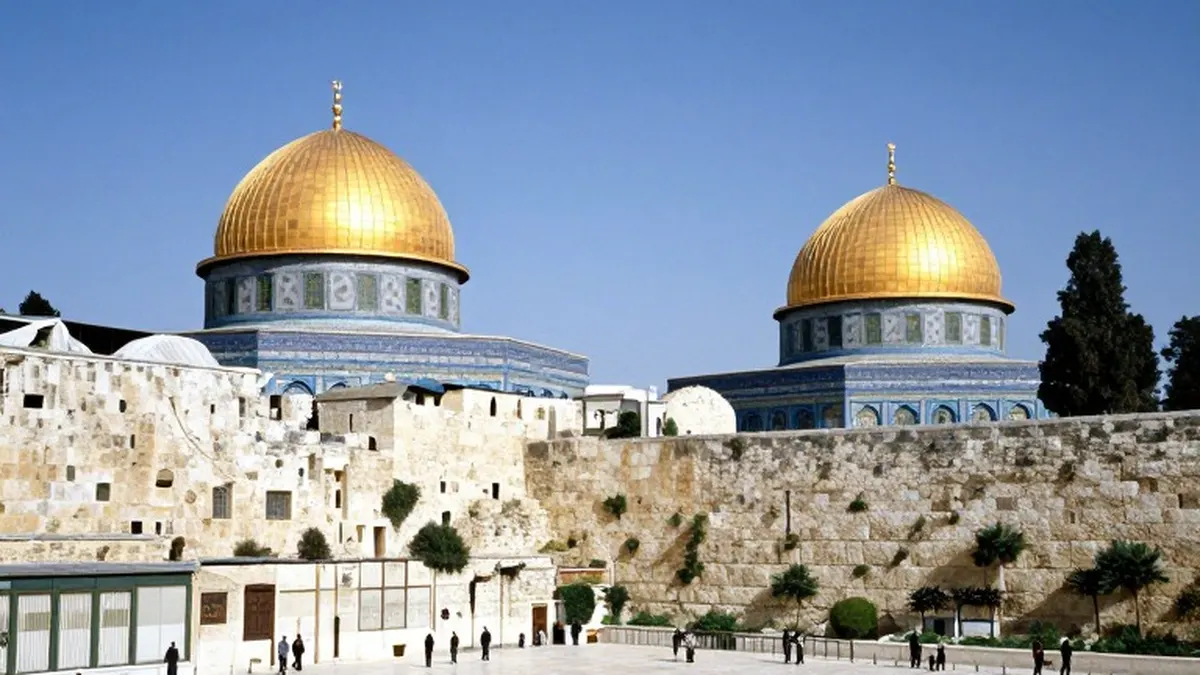
While Shalbi began experimenting with the chemicals at home about six months before Jamjoum’s arrest, Jamjoum was finalizing his own strategy. He downloaded a book on bomb-making and another on producing poison. His stated goal was to kill as many Jews and heretics as possible at the al-Aqsa Mosque compound, which is considered the third-holiest site in Islam. The indictment notes that Jamjoum had begun reading the poison manual but deleted both digital files shortly before his arrest because he felt he no longer needed them.
To prepare physically for the attack, Jamjoum trained at a mixed martial arts club in the Issawiya neighborhood of East Jerusalem for the two months leading up to his capture. The ultimate objective of his plan was to prevent Jews from ascending the Temple Mount, the historic location of the two ancient Jewish temples. In recent years, the number of Jewish visitors to the site has increased significantly, a trend encouraged by National Security Minister Itamar Ben Gvir. This rise in visits, including instances of open prayer and prostration, has strained the fragile status quo with Jordan, the official custodian of the mosque compound.





