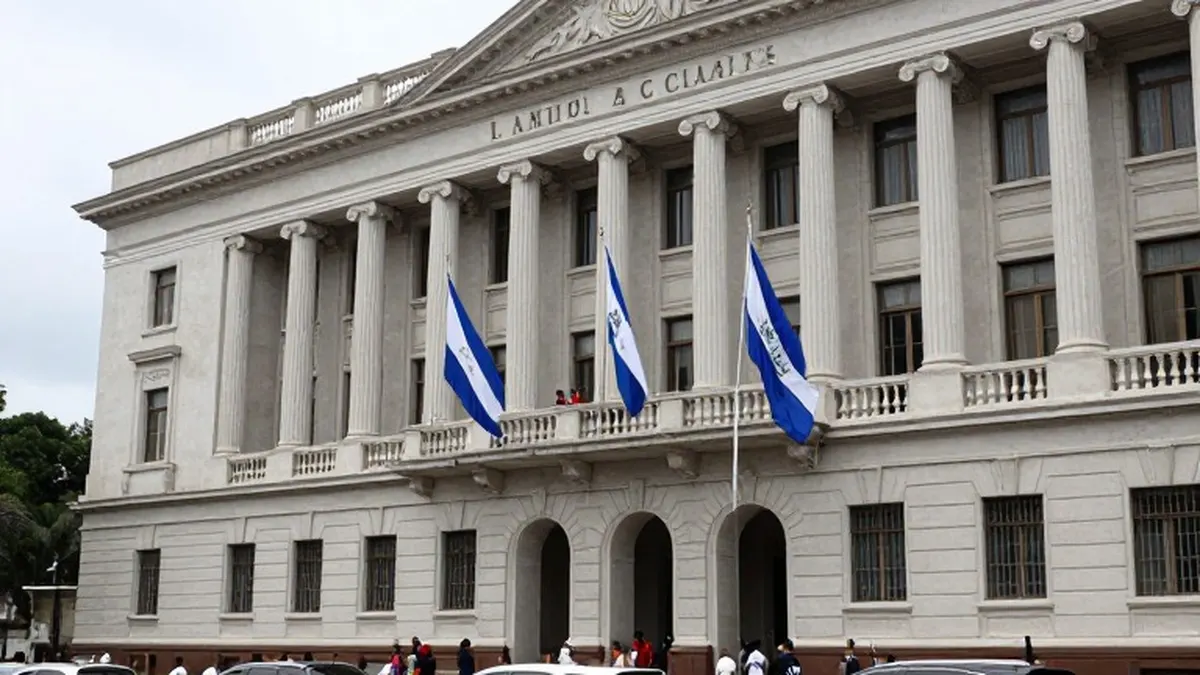
Salvadoran President Nayib Bukele is scheduled to formally register his candidacy for the upcoming presidential election, marking his bid for a third consecutive term in office. Thursday served as the final deadline for candidates to submit their paperwork for the race, which is currently set to take place on February 28, 2027.
The 45 year old leader has long been anticipated to run again, a decision that would further solidify the dominance of his political party in Central America. Bukele is the founder and head of the Nuevas Ideas party, which holds a significant majority in El Salvador’s Legislative Assembly.
The path to a third term required adjustments to the country’s legal framework. Although the constitution originally banned immediate presidential re-election, the Supreme Court reversed that ruling in 2021, allowing Bukele to seek and win a second term in 2024. Subsequently, in 2025, the Legislative Assembly approved a constitutional amendment that explicitly permits a third term and extends the duration of the presidency from five to six years.
Bukele secured the nomination for his own party in July of this year. He is expected to appear on the ballot with his current vice president, Felix Ulloa, as his running mate.
His tenure has been characterized by an aggressive campaign against criminal gangs, a strategy that has earned him immense domestic support and established him as a prominent figure for the political right in Latin America. In 2022, his administration declared a state of emergency to tackle the high crime rate, granting police broad powers to make arrests while suspending certain civil liberties.
During this period, many individuals were detained without formal charges, and mass trials resulted in hundreds of defendants receiving sentences simultaneously. Human rights organizations estimate that more than one percent of the national population has been arrested under these measures, often with limited opportunities to challenge their guilt.
Critics have also raised alarms about systematic rights abuses, torture, and poor conditions within the prison system. Although initially intended as a temporary solution, the state of emergency has been extended for several years. The government maintains that the gangs have been largely dismantled, though the United States Treasury has accused the administration of secretly negotiating with gang leaders to lower crime rates.
Experts note that the ability of journalists and human rights activists to monitor corruption and abuses has faced obstacles under Bukele’s leadership. Some, including human rights lawyer Ruth Lopez, have reportedly been detained for their work without access to legal counsel. According to Amnesty International, Lopez has spent over a year in incommunicado detention.
Additionally, El Salvador enacted a Foreign Agents Law that empowers the government to restrict civil society organizations that receive international funding. These actions have led to accusations that the state has been used to target political critics. Despite these concerns, Bukele remains the clear favorite to win the election.
Several other candidates are also preparing to contest the presidency, including Maytee Iraheta from the right wing Nationalist Republican Alliance and Rafael Aguirre from the left wing Farabundo Marti National Liberation Front.