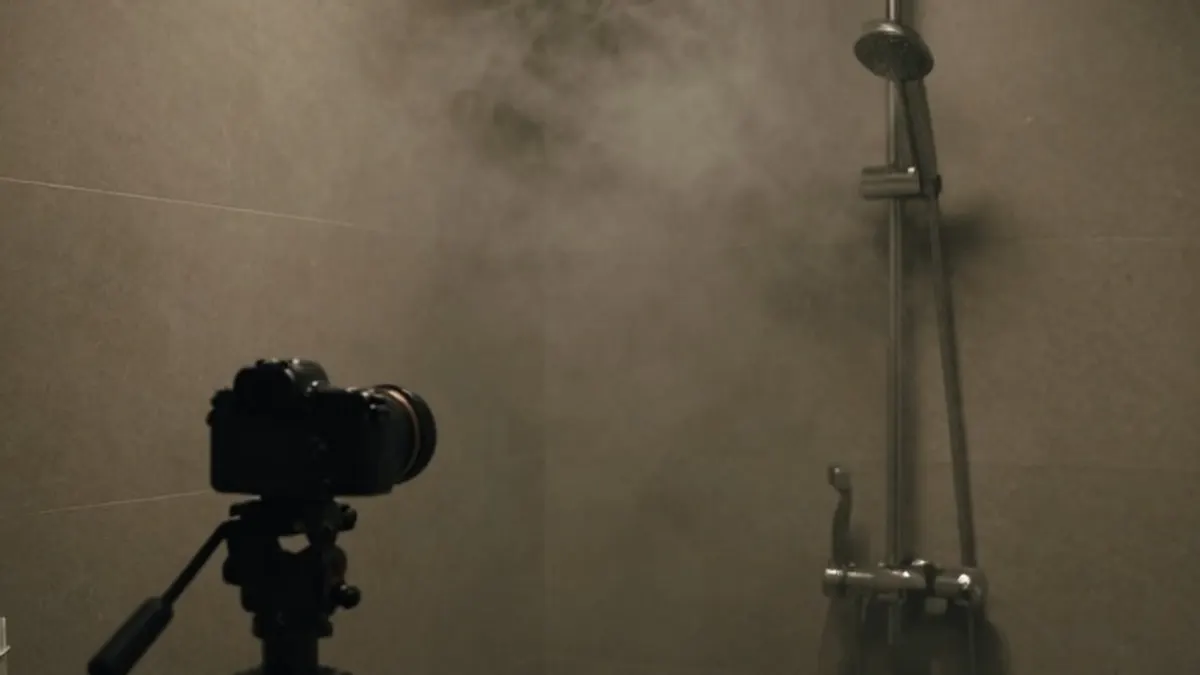
Billy Evans, the husband of former Theranos CEO Elizabeth Holmes, has publicly stated that he did not consent to his fully nude appearance in the shower for the documentary You Can See Everything. The film, directed by Nathan Fielder and Lance Oppenheim, has generated significant attention, and Evans addressed the controversy in a recent interview with Matt Gutman on CBS Sunday Morning. When asked by the host if he gave permission for the full frontal shot, Evans replied that their recollections of the event differ significantly. He maintained that while he knew he was being filmed in the shower, he did not explicitly agree to the specific framing that would later be shown to the public.
Evans explained that the production involved filming for approximately sixteen hours a day, during which various assurances were made regarding what would be captured. He expressed that he was as surprised as the rest of the audience to see his entire body on camera. The experience has been described by Evans as awkward, particularly because his children's teachers have seen the footage. He noted that he is not proud of the scene and did not want it included, contradicting the perception that he was willingly displaying himself to the world.
The former CEO's husband further alleged that he attempted to have the scene altered after learning it would be included in the final cut. Evans said he communicated with A24, the distributor, and Fielder both through lawyers and personally before the film's release. He requested that they pixelate his full frontal shot based on rumors from early screenings, but they refused to make the change. Evans described the process as one where he pleaded with the production team not to show the specific angle before the movie became publicly available in theaters.
In response to the claims, co-director Lance Oppenheim provided his account in an interview with GQ published on October 23. Oppenheim stated that he honestly did not know why Evans agreed to be naked in the film. He recalled a conversation in the car after a gym session where he told Evans they would give him time to shower. Evans reportedly responded by asking if they wanted to film him doing so. Oppenheim claimed he offered to film in a way that would hide Evans' genitals, but Evans said he did not care about being seen naked.
Evans pushed back against the narrative that he wanted the world to see the scene, stating emphatically that he did not. He added that the color grading of the shot was significantly off, adding to his discomfort with the final product. The Hollywood Reporter has reached out to both A24 and Fielder for comment regarding the dispute, but neither had responded as of the time of reporting. The disagreement highlights the complexities of consent and expectation in documentary filmmaking, particularly when intimate moments are captured during long-term observational shoots.
The scene has become a focal point of discussion surrounding the new film, which chronicles the life and downfall of Elizabeth Holmes. While the production team maintains that the footage was captured with the subject's awareness, Evans argues that awareness is not the same as specific consent to the final editorial choice. The incident has drawn attention to the power dynamics between subjects and filmmakers in high-profile documentaries. Evans' comments suggest a lingering frustration with how the moment was presented, despite his initial agreement to be filmed in that general setting.
The documentary continues to receive attention for its detailed look into the personal and professional life of Holmes. The shower scene, while brief, has sparked a broader conversation about the boundaries of intimate documentation. Evans' statement serves as a counterpoint to the directors' perspective, offering the audience a glimpse into the subject's private thoughts on the footage. As the film moves further into its theatrical release, the debate over the shower scene remains a prominent topic among viewers and critics alike.
No further official statements have been released by the production team to directly address Evans' specific allegations about the pixelation request. The situation remains unresolved publicly, with both sides presenting their versions of the events. The controversy adds a layer of drama to the release of You Can See Everything, ensuring that the discussion extends beyond the subject matter of Holmes to include the process of creating the film itself.