The U.S. Environmental Protection Agency said Thursday that laboratory results from samples collected following the Army's controlled detonation of lead azide in Iowa could begin arriving Friday. The Wednesday explosion destroyed the nation's entire stockpile of the chemical, which is used to make explosives. The expected results are part of the agency's environmental monitoring following the detonation.
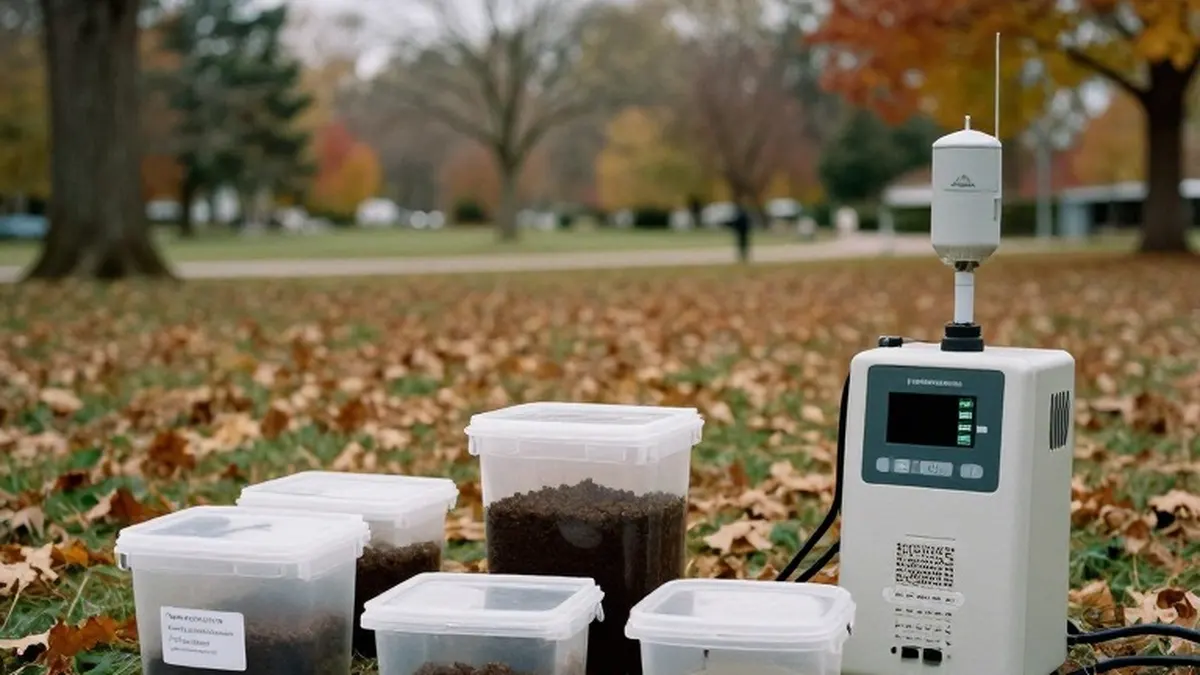
EPA staff and contractors collected more than 1,500 samples before the explosion, gathering air, water, soil and dust for testing. After the stockpile was detonated, they collected hundreds of additional samples. The agency said those samples included material from homes and parks, along with drinking water, as it continued its sampling work after the Army's operation.
More samples were expected to be collected Thursday, the EPA said in its statement. Samples already gathered had been sent to laboratories for analysis. The agency indicated that results could start coming back as early as Friday, rather than providing a date by which all of the testing would be completed.
The EPA also said it had continued to detect no airborne lead in the region since Wednesday's controlled explosion. That statement concerned airborne lead, while the laboratory testing described by the agency covered samples from several sources, including water, soil and dust collected as part of its monitoring work.
Lead is not the only substance being examined. The agency said its testing also covers other compounds that could have been released when the stockpile exploded. It described the scope of that testing as covering everything it had anticipated might potentially be released during the controlled detonation.
The EPA said its personnel would remain in the area for as long as necessary to carry out environmental monitoring. In its Thursday statement, the agency characterized the controlled detonation as successful and said it would maintain its presence to ensure that the required monitoring continued after the explosion.
The Army said destroying the stockpile through a controlled explosion was the safest course because the lead azide was deteriorating. According to the Army, the degrading material posed a risk of exploding uncontrollably as temperatures fell. That assessment was its stated reason for detonating the stockpile in Iowa.