The European Commission has made clear that the European Union does not intend to return to Russian gas once the war in Ukraine is over. Officials said the phase-out is set out in existing legislation and is not linked to any peace agreement.
The position was laid out at a briefing on Wednesday by Paola Pinho, the Commission's coordinating spokesperson, as reported by European Pravda. She said the bloc understands well the hidden costs of relying on Russia for fossil fuels. "They have been weaponised and we have been paying the price," Pinho said, adding that "with or without war" the EU has learned what that dependence costs.
Anna-Kaisa Itkonen, the Commission's spokesperson for energy, stressed that the ban stems from the REPowerEU regulation, which works separately from sanctions. "The legislation is already in force, it's been implemented," she said. She added that the law is not tied to sanctions or to any geopolitical events.
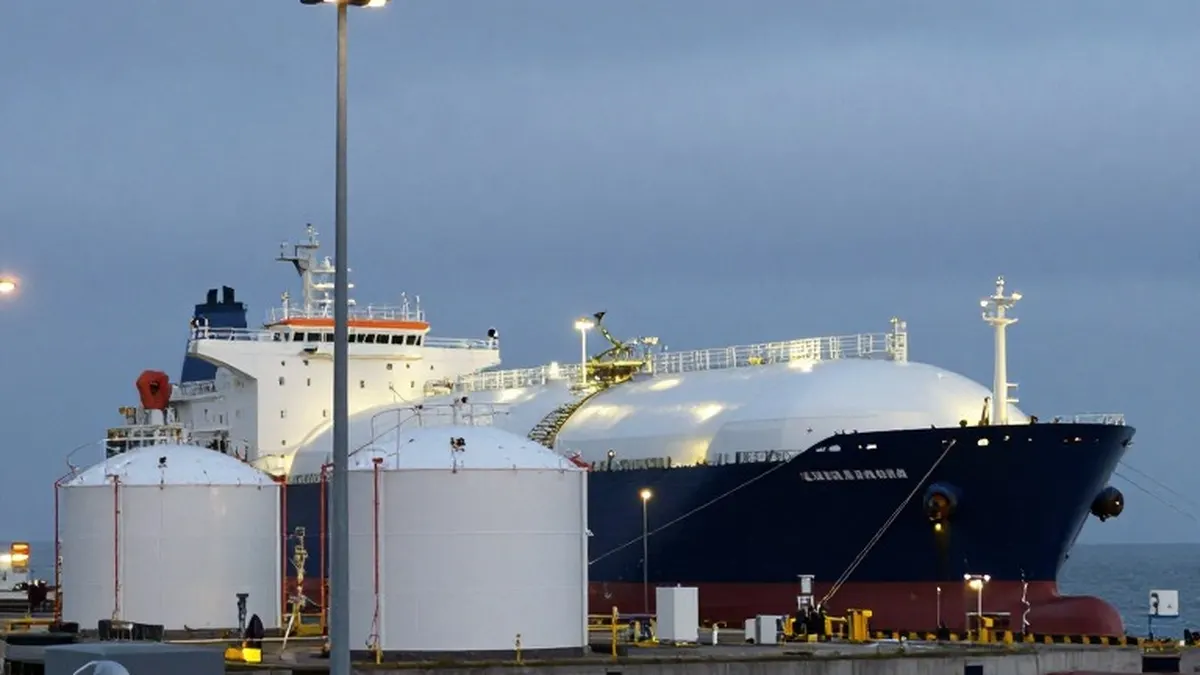
According to Itkonen, the EU is therefore phasing out Russian gas and liquefied natural gas (LNG) from its market whatever happens. She said the last shipments should be finished by the end of next year.
The regulation was adopted in January 2026. It provides for a complete ban on Russian LNG imports from early 2027 and on pipeline gas by the autumn of 2027.
Itkonen was also asked whether the Nord Stream pipelines could be brought back into service after the war. She said that question is outside the Commission's remit. Referring to Pinho's earlier remarks, she said the Commission's stance on Nord Stream has been clear since the start of the project, and that "it's not for us to decide whether it will be functioning in the European Union or not."
The question comes after European Pravda reported that Russian and US officials had held talks on bringing a US investor into an effort to restore the pipelines' operation. Those discussions reportedly involved Jared Kushner, the US Presidential Envoy.
The Commission's message comes amid continued purchases of Russian energy. Europe reportedly spent a record €7.3 billion on Russian Arctic gas in the first eight months of 2026, more than the total for all of 2025. The president of the European Commission has said that, despite the energy crisis, the EU aims to cut Russian gas imports to zero by the end of 2027.