European Council President Antonio Costa has explained why EU leaders decided to send a team rather than a single representative to future peace negotiations on Ukraine.
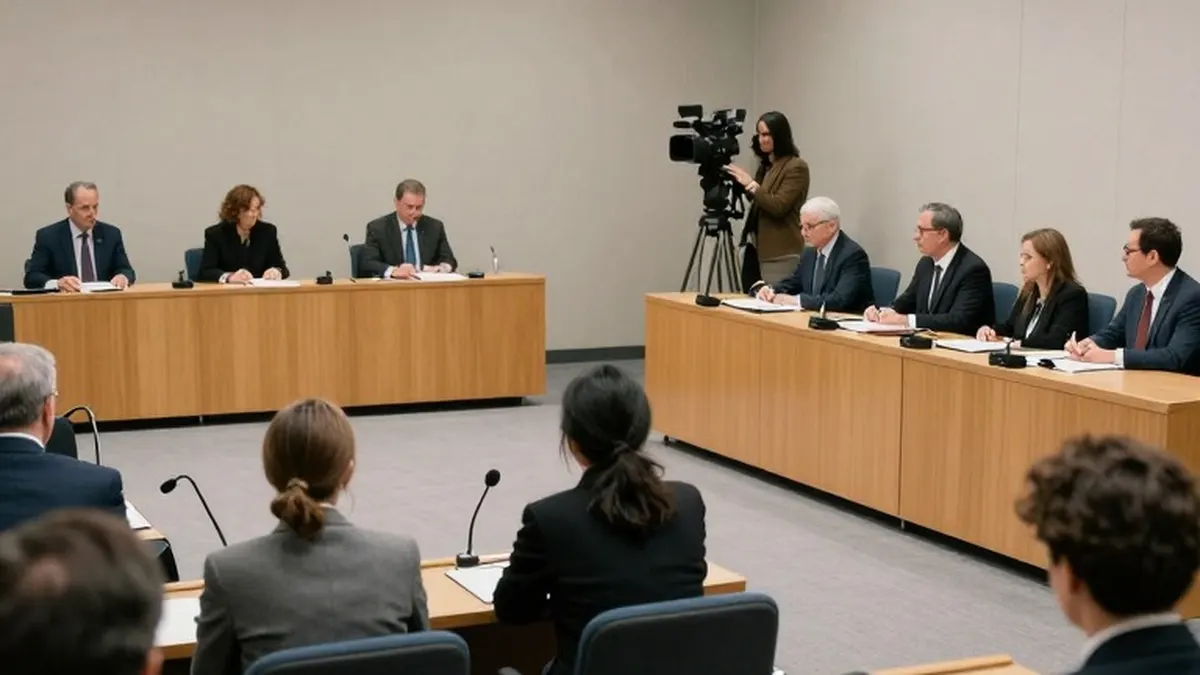
Speaking at a press conference in Dublin after an informal summit of EU leaders on 13 November, Costa said the decision reflected the way other parties involved in the negotiations are themselves represented, with multi-member delegations common on all sides.
According to Costa, the composition of the delegations fielded by the other parties shows that negotiating through a team is standard practice in such talks.
"Look, just an example. If you look for the special envoy from President Trump, there is not one. They are two. If you look at the Ukrainian delegation, I think it's three or four people. Look, it's normal," the European Council president said.
Costa added that the team will represent not only the European Union but also the Coalition of the Willing, the group of Ukraine's partners that plays a crucial role in the provision of security guarantees for Ukraine following a peace agreement.
Those guarantees are expected to form a central part of arrangements once a peace agreement is reached, and Costa said the Coalition of the Willing must be integrated into the EU's negotiating effort.
"Of course, we need to integrate all of us. And this is essential to have a team and to speak with only one voice. This is what we agreed to do and this is what we are working on," he said.
The emphasis on coordination and a unified position was central to Costa's explanation of the arrangement that EU leaders agreed at their informal summit in the Irish capital. He framed the team format as a practical necessity for bringing together the different parties that will sit at the table on Europe's side.
Earlier on 13 November, Costa announced that EU leaders had agreed on the format of Europe's representation in the coming negotiations to end the war in Ukraine. Under the agreed format, representatives of EU institutions will take part in the talks alongside representatives of the E5 countries: Germany, France, the United Kingdom, Italy and Poland.
Politico had earlier reported that the E5 countries will be represented at the negotiations by their national security advisers.