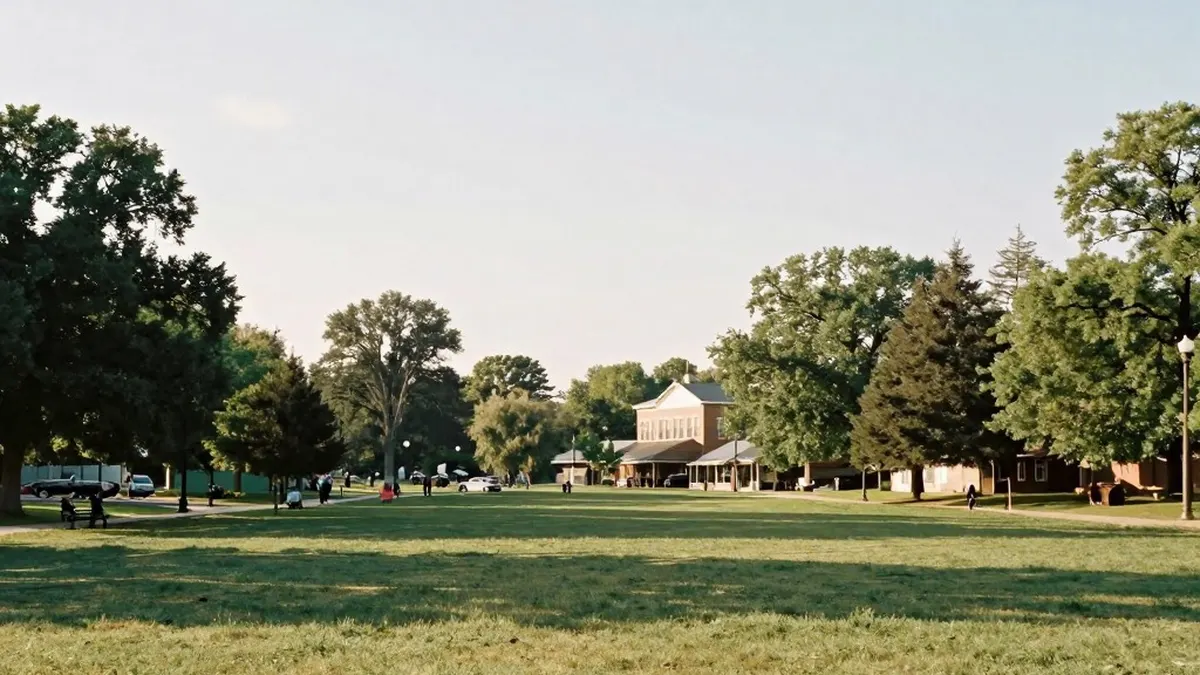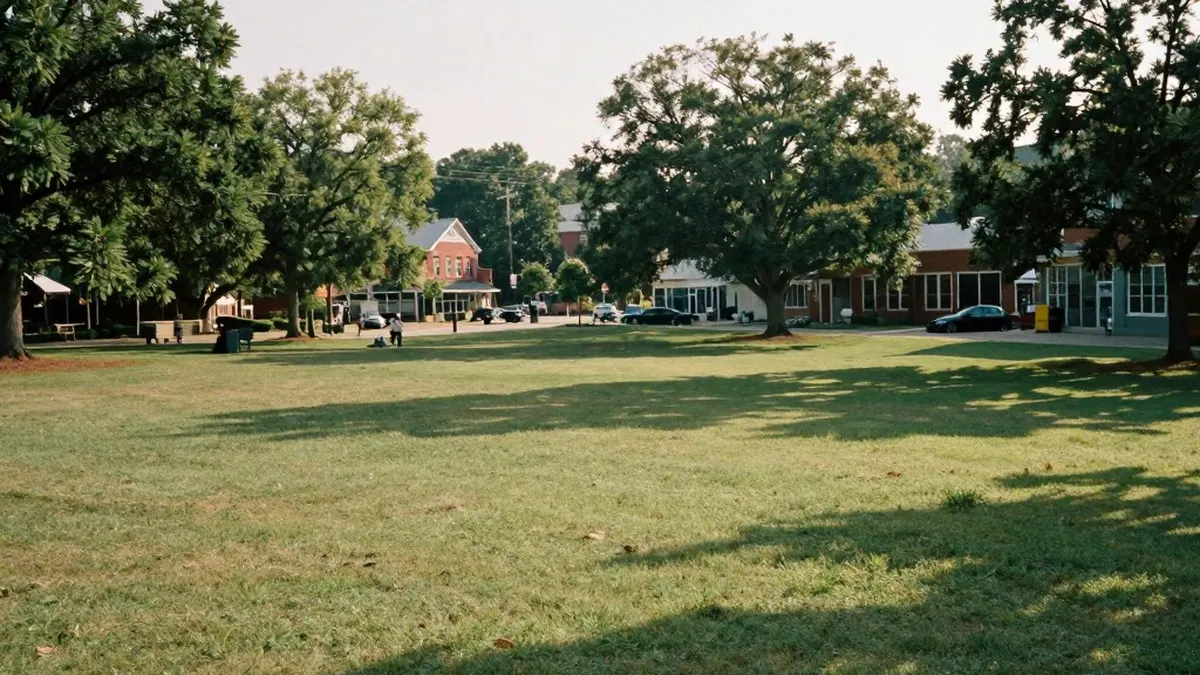
Residents of Fairfield, Ohio, are intensifying their push to determine the future of Thomas O. Marsh Park by asking city officials to place the proposed restaurant and redevelopment plan on the ballot. While the city has not yet made a final commitment to the project, several procedural steps remain before any construction can begin. The debate centers on a multi-million dollar vision for the park that has been under consideration for more than a year.
During a City Council meeting on Monday evening, opponents of the restaurant returned to advocate for a public vote. Marc Conter, a local resident, emphasized the principle of democratic involvement in public projects. He stated that because the project involves public land and public money, a public vote is a simple and necessary concept for the community.
Kim Kent, another resident who lives near the park, highlighted the level of community opposition. She reported that opponents have collected approximately 440 signatures in support of the ballot initiative. Kent expressed concern that adding a restaurant would alter the natural character of the park, which her family currently uses for fishing and kayaking. She noted that many neighbors prefer the area to remain a natural space with a lake rather than a commercial dining destination.
Kent believes that opponents have a strong chance of success if the question is put to voters. She argued that once a vote is held, the outcome would be definitive. Even if the proposal were to fail, she felt the process would ensure that the people have spoken, making it difficult for city leaders to argue against the result.
The proposed restaurant is only one component of a larger reimagining of the park. When the master plan was first reported in April 2025, it carried a price tag exceeding $10 million. The vision included significant changes around the park's two lakes, such as a new amphitheater, boathouse, playgrounds, and a bridge. The plan also called for a two- or three-story building intended to be leased to restaurant operators, as well as a new park entrance from Gamay Lane on the east side.
At the time the plan was introduced, then-Mayor Mitch Rhodus stated that the city was financially capable of undertaking the project. He suggested that much of the infrastructure could be completed within two years if approval were granted, though the timing of specific improvements might depend on funding availability. However, the restaurant component has since become the primary focal point for those opposing the changes.
While Kent and other opponents are not necessarily against all new amenities, they prefer smaller-scale options. Kent suggested alternatives such as a snack shop, food trucks, or a beer truck that would be less intrusive than constructing a full restaurant. She stated plainly that the community does not want a large restaurant in the park.
Mayor Tim Meyers addressed the concerns on Monday, noting that the restaurant project is far from being finalized. He explained that the City Council has not yet appropriated the necessary funds to build anything, meaning multiple steps must still be completed. The city has solicited feedback through various channels, including resident surveys, city meetings, and an ad hoc committee that included residents with differing views on the project.
Meyers acknowledged the divided opinion among residents, with some strongly opposing a restaurant in the park while others are interested in additional dining options. The next significant step in the process is scheduled for December 14. On that date, a presentation will provide a clearer picture of the restaurant concept along the lake, including financial details. The concept is based on input from the resident committee and work by an architectural and engineering firm.
The mayor stressed that the December presentation will not serve as a final vote on whether to build the restaurant. Unanswered questions remain, including whether a restaurant operator will ultimately be interested in the location. Meyers indicated that it is up to the council to decide if the project should be placed on the ballot in May or the fall. He noted that without a final design and confirmation of a willing operator, the city is not yet at that stage.