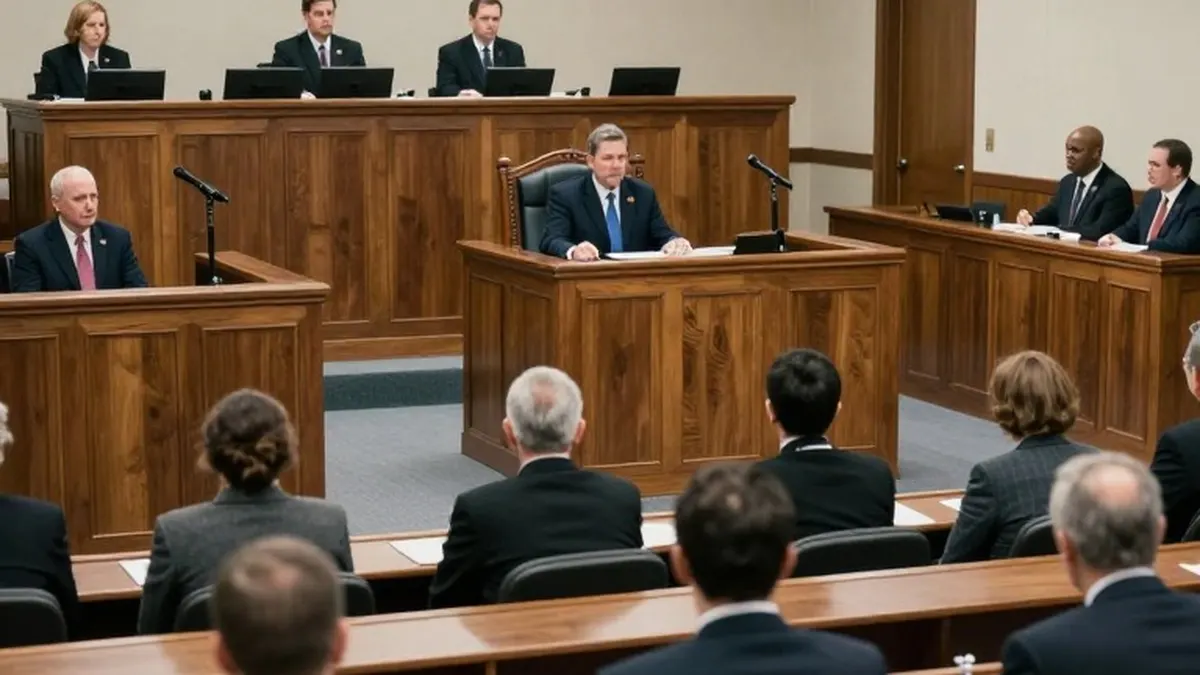
A federal judge denied the NAACP’s request to block the Justice Department from sending election monitors to polling places, but ordered the department to ensure they are not sworn law enforcement officers and cannot make arrests. U.S. District Judge Reggie Walton, in an order Monday night, said the DOJ must also ensure its monitors are unarmed, out of uniform and do not display insignia identifying them as federal employees. The order applies to the department’s poll monitoring program for Election Day, Nov. 3.
The NAACP had sought a temporary restraining order barring the DOJ from deploying personnel from agencies including the Bureau of Alcohol, Tobacco, Firearms and Explosives, the Drug Enforcement Administration and the Bureau of Prisons. The group argued their presence could intimidate voters and violate the Voting Rights Act.
Walton denied the motion without prejudice, finding that the current record did not show the NAACP was likely to succeed on its claim. He said the DOJ’s representations at a hearing addressed his concerns: the monitors would be administrative or clerical employees, not sworn officers, and would not carry firearms.
Walton also ordered monitors not to interfere with voters or election officials, to follow state and local rules, and to avoid speaking with voters inside polling places. They may speak with voters outside only after they have cast a ballot. Monitors must introduce themselves to election officials and carry federal credentials in case they are asked to verify their employment.
Walton ordered the DOJ to file a status report by 7 a.m. ET on Tuesday explaining how it confirmed that none of the monitors would be law enforcement officials with arrest powers. Though there is no prohibition on the use of sworn law enforcement officers as civil rights election monitors, CRT (Civil Rights Division) undertook reasonable efforts to avoid using sworn officers, the DOJ wrote in the Tuesday morning filing.
These efforts included excluding the use of Federal Bureau of Investigations personnel, Department of Homeland Security personnel, and consulting the Bureau of Alcohol, Tobacco, and Firearms, the U.S. Marshal Service, and the Drug Enforcement Administration to ensure no sworn agents from those agencies participated in the monitoring program.
The ruling followed allegations that the DOJ planned to send more than 1,000 personnel, including law enforcement agents and investigators, to polling locations. The department’s attorneys told the court that sworn agents and officers would be excluded from the program.