Nicosia, Cyprus. The discovery of significant natural gas reserves off the southern coast of Cyprus represents a major opportunity for the European Union to strengthen its energy security, according to President Nikos Christodoulides. Speaking to The Associated Press in an exclusive statement on Thursday, the Cypriot leader emphasized that these resources allow the bloc to diversify its supply chains and reduce reliance on external powers.
The first of several identified fields, known as Cronos, is scheduled to commence operations in the first half of 2028. Christodoulides described the development as a pivotal moment, stating that Cyprus is now an integral part of the European energy equation. He noted that this move anchors the Union's autonomy while providing added diversification, calling it the first step on a promising path for regional energy stability.
The push for new energy sources comes as Europe seeks alternatives to Russian oil and gas. This shift follows Moscow's full-scale invasion of Ukraine in 2022, which prompted a strategic pivot away from Russian hydrocarbons. Additionally, consumers across the continent have faced soaring fuel prices, a trend exacerbated by the recent Iran war.
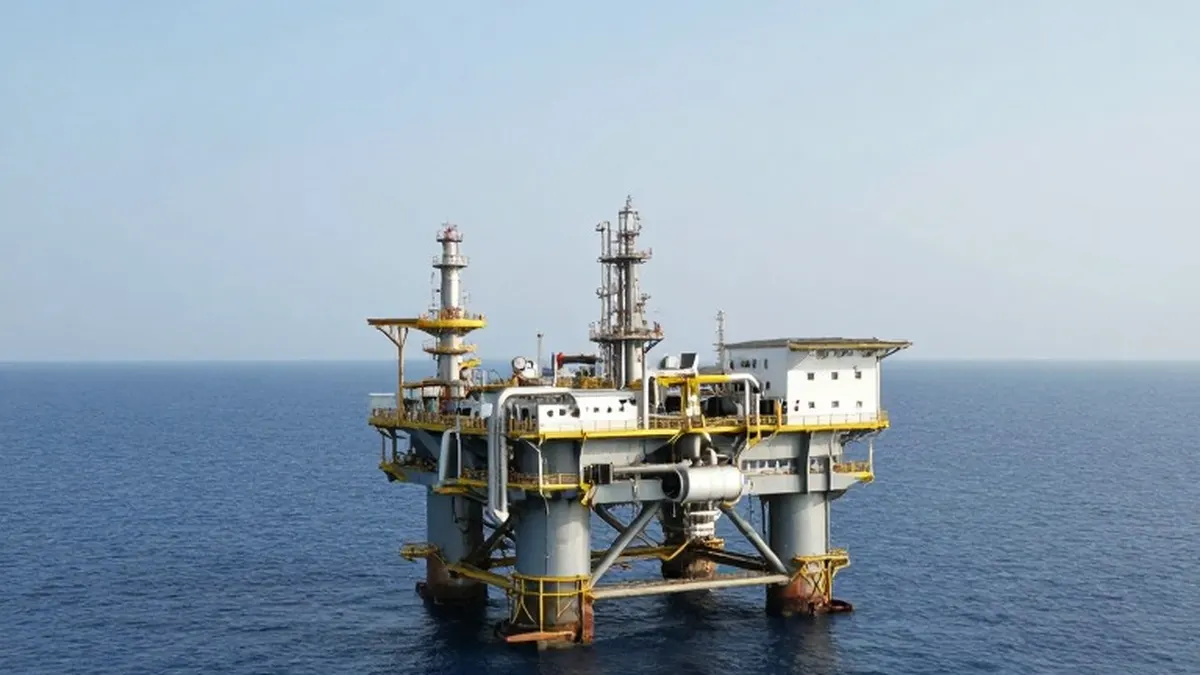
Italian energy giant Eni signed development contracts with eight primary contractors last month to bring the Cronos field online. The field is estimated to hold approximately 3 trillion cubic feet, or 85 billion cubic meters, of natural gas. The agreements cover essential infrastructure, including subsea production systems, pipelines, a floating control unit, and drilling rig services.
Christodoulides highlighted the financial commitment involved, noting that these agreements trigger billions of euros in investment. He stated that this funding provides a clearly defined trajectory toward production, ensuring that the project moves steadily from planning to reality.
Once extracted from the field, which is located approximately 185 kilometers or 115 miles southwest of Cyprus, the gas will be transported via pipeline to the Damietta facility in Egypt. There, it will be liquefied for export to international markets, with Europe being the primary destination.
At peak capacity, the Cronos field is expected to produce up to 500 million standard cubic feet, equivalent to 14.16 million cubic meters, of natural gas per day. The president underscored the significance of this capacity for the EU, explaining that the value lies in developing a field within a member state while cooperating with regional partners.
Cronos is not the only prospect in the area. Six other natural gas deposits have been identified within Cyprus' exclusive economic zone. Among these are the Glaucus and Pegasus fields, which are situated south of Cronos and are currently under consideration for development.
John Ardill, ExxonMobil's vice president of global exploration, indicated in June that natural gas could begin flowing from the Glaucus and Pegasus deposits by 2033. He suggested that the gas from these sites would likely also be piped to Egypt for liquefaction and subsequent export.
President Christodoulides concluded by describing the Cronos project as a substantive step toward Cyprus' first natural gas production. He emphasized that this milestone aligns with Europe's broader strategic goals of diversifying natural gas supply sources and enhancing overall energy security.