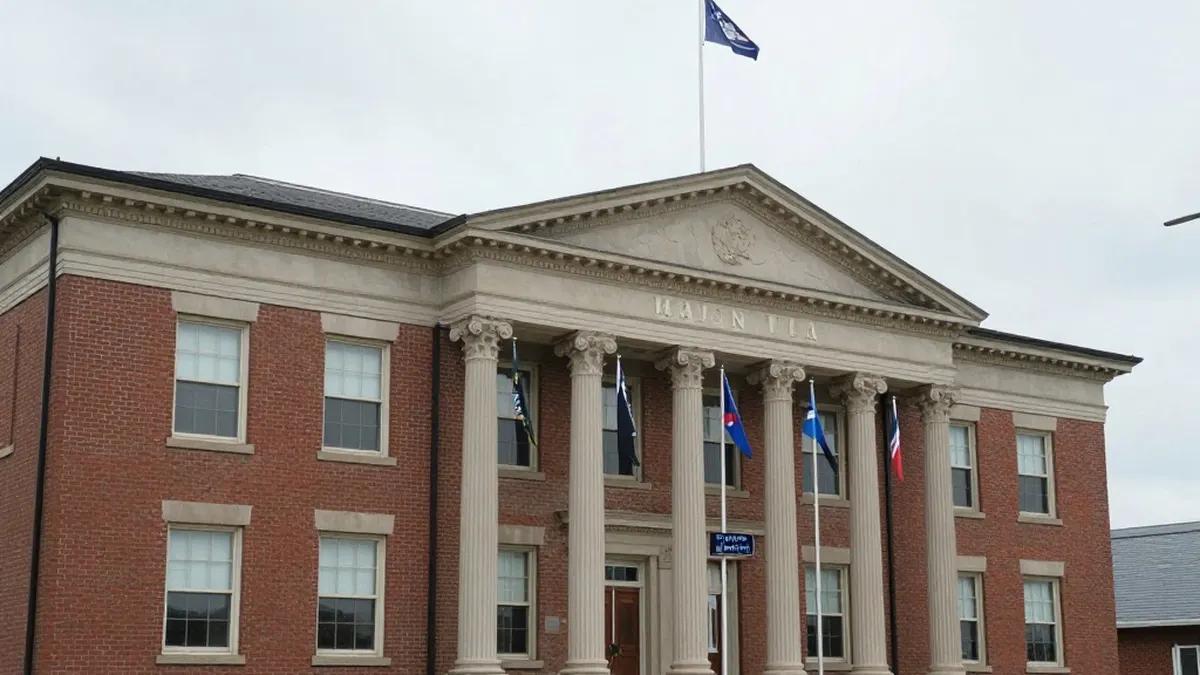
Georgetown residents interested in how police investigate unresolved crimes can learn about that work Thursday night at a free class inside the Georgetown Police Department. The department’s Criminal Investigations Division will lead the session on cold cases and long-term investigations, beginning at 7 p.m. Anyone interested in learning more may attend.
The session is the 10th installment of a community education series that began in February. The division offers the classes monthly, with previous sessions addressing scams, fraud, domestic violence and work involving witnesses. This week’s class turns to the information police use to pursue cases that have remained unresolved for years.
Lt. Mitchell Lair of the Criminal Investigations Division said cold cases generate considerable public interest. That curiosity extends to lengthy investigations close to home as well as those receiving national attention. According to Lair, Kentucky has 3,700 unresolved homicides dating back to 1965, and the passage of time does not diminish their importance to families or the public.
Thursday’s discussion will explain how investigators collect information about crimes committed decades earlier and how those details can help advance an inquiry. Lair said improvements in technology sometimes lead officers to reopen an investigation. More often, however, the reason is that someone has provided information police did not previously have.
That information can include a memory from childhood, Lair said, emphasizing that every detail matters. He said witness accounts, including statements that appear unrelated, are among the most prominent contributions investigators receive concerning older cases or investigations that have gone without resolution or progress for some time.
Lair said the education series has strengthened trust between officers and community members. He described that relationship as important both for resolving older investigations and for routine police work. Cooperation can involve sharing information or allowing officers to work with people through technology, assistance he said is central to solving many cases.
Understanding police work also helps residents recognize what investigators seek, what constitutes a crime and which laws offer them protection, Lair said. With that knowledge, members of the public can better assist officers in serving the community.
Lair hopes participants apply the lessons beyond the classroom. He said teaching residents about law enforcement and the ways they can contribute to their community could improve cooperation with police and, he hopes, help reduce crime.