Israel's Minister of Foreign Affairs, Gideon Saar, stated that the relationship between Jerusalem and London has suffered significant damage. He attributed this deterioration to a series of unilateral actions taken against Israel by the British Labour government, which he noted began in 2024.
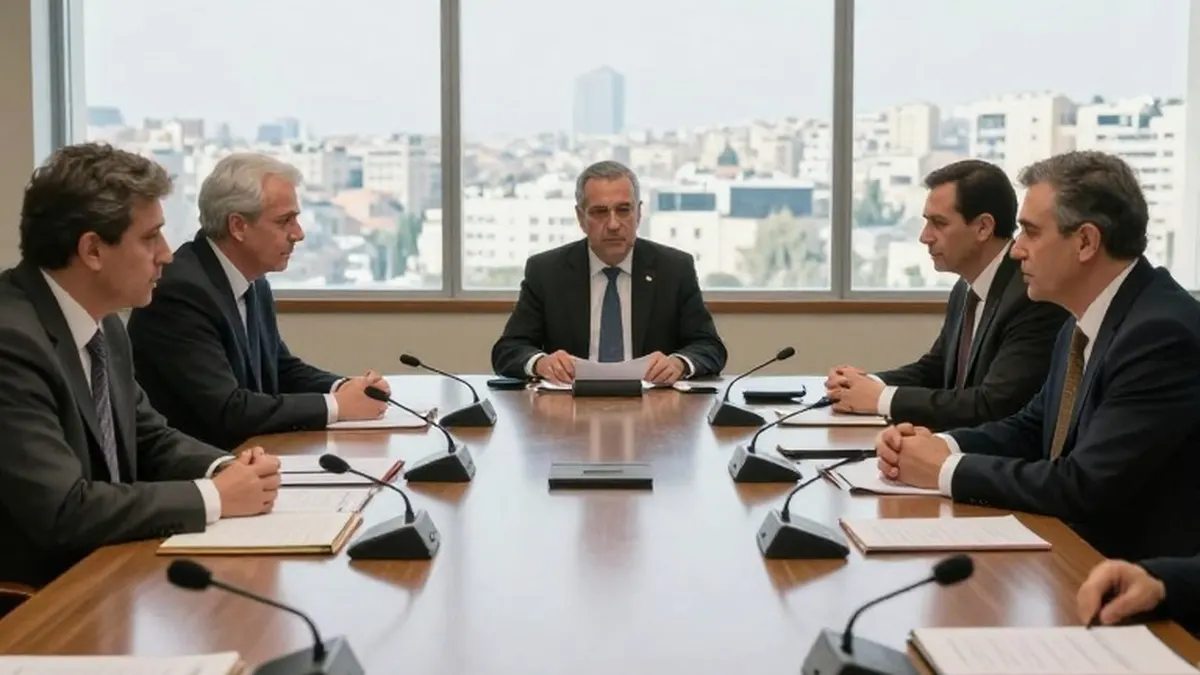
Saar made these remarks following a meeting held in Jerusalem on Wednesday evening. He was joined by a visiting delegation from the British Conservative Party. The group was led by Kevin Hollinrake, who serves as the chairman of the Conservative Party.
In a post on the social media platform X, Saar detailed the agenda of the discussion. He explained that he briefed the visiting politicians on the strategic challenges currently facing Israel. This included what he described as an ongoing, systematic, and openly declared attempt by Iran and its allies to destroy the state.
The Foreign Minister emphasized that the bond between the two nations is important to both sides. However, he expressed regret that the relationship had been harmed, noting that this outcome was not what Israel desired. He specifically pointed to the actions of the current UK administration as the primary cause of the strain.
Saar drew a direct parallel between the well-being of Israel and that of Britain. Citing recent warnings from the attorneys general of thirteen US states, he argued that efforts to harm Israel ultimately also harm Britain itself. This connection suggests that the stability of the two countries is deeply intertwined in the current geopolitical landscape.
Despite the criticisms leveled at the current government, Saar expressed gratitude for the continued support from other sectors within the UK. He stated that Israel still maintains good friends in Britain and thanked them for standing alongside the country during this challenging period.
The meeting took place against a backdrop of heightened diplomatic activity. The presence of a senior Conservative delegation highlights the ongoing engagement between Israeli leadership and opposition figures in the United Kingdom. This interaction allows for a dialogue that extends beyond the official government-to-government channels.
Saar's comments reflect a broader narrative in Israeli diplomacy regarding its Western allies. By highlighting the role of the Labour government's specific measures, the Foreign Minister sought to contextualize the current diplomatic friction. The focus on unilateral actions underscores the desire for a more coordinated approach in bilateral relations.
The visit by the Conservative group serves as a reminder of the diverse political dynamics in Britain. While the current government pursues its own foreign policy, opposition parties continue to engage with Israeli leaders to maintain influence and understanding. These meetings often provide a platform for discussing shared strategic interests.
Saar concluded his message by reaffirming the importance of the Israel-Britain relationship. He signaled a willingness to continue engaging with British partners who support Israel, while also making clear the Israeli position on the factors contributing to recent diplomatic difficulties. The exchange underscores the complex nature of maintaining alliances in a shifting political environment.