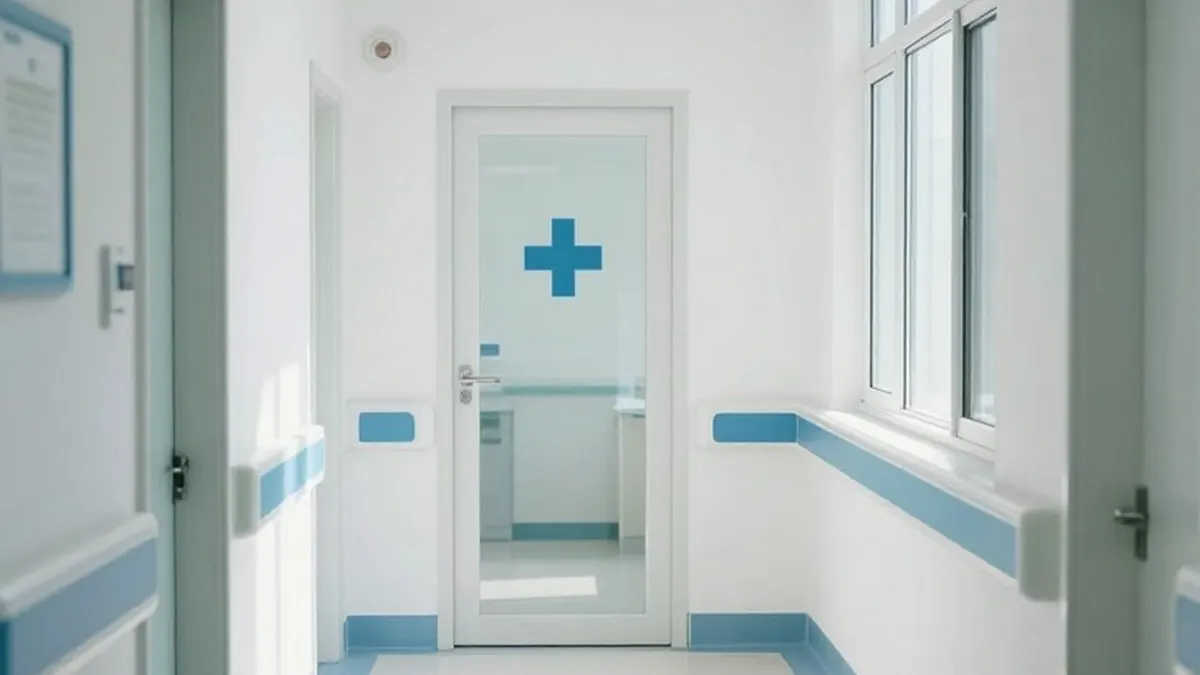
Hadassah Medical Center has officially opened a new facility dedicated to clinical immunology and allergies. The establishment of this center is a direct response to the increasing demand for specialized care within the country. A team of approximately twelve clinical immunologists has been assembled to lead the new unit.
The primary motivation for creating the center is to address the significant delays patients currently face. According to the medical center, individuals seeking desensitization treatment from other clinics in Israel are often subjected to wait times that can extend up to four years. The new facility is intended to alleviate this bottleneck and provide faster access to essential care.
The center was established with the financial support of donors Moshe and Abbie Greenberg. It is designed to offer a comprehensive approach to managing immune system diseases. While the facility places a strong emphasis on the rapidly evolving field of allergy, it is built to handle a broad spectrum of immune-related conditions.
The new complex includes specific infrastructure tailored for advanced care. This includes a dedicated department for children, specialized treatment rooms, and new laboratories. These facilities are equipped to support the diagnosis and treatment of various immune system disorders across all age groups.
The scale of the issue in the region is substantial. Hadassah reports that approximately 250,000 people in the greater Jerusalem area alone have been diagnosed with food allergies. This high prevalence contributes to the strain on existing medical resources and the resulting long waitlists for advanced immunotherapy at other institutions.
Professor Yuval Tal, who serves as the chairman of the Israel Association of Allergy and Clinical Immunology, highlighted the broader scope of the new center. He noted that while allergy treatment is a major focus, the facility is also equipped to diagnose and treat other immune diseases. This ensures that patients receive holistic care within a specialized environment.
Tal emphasized that the field of allergy is dynamic, constantly expanding and taking on new dimensions. He stressed that allergy is only one component of the wider world of immunology. The center aims to offer treatments across every aspect of this field to ensure comprehensive patient management.
The new facility will utilize the Phadia 250 Laboratory System, a significant addition to its diagnostic capabilities. Tal explained that this technology will allow for a significant expansion in the range of tests available. This advancement is expected to improve the precision and speed of diagnoses for patients with complex immune conditions.
At the opening ceremony, donor Moshe Greenberg spoke about his personal motivation for supporting the project. He stated that he was deeply inspired by the children who deal with difficult and complex medical conditions. He described these patients as heroes who have faced various challenges.
Greenberg noted that although these children are not his own, the treatments available at the center have transformed their lives and the lives of their families. He concluded that this impact provided a justified and compelling reason to donate to the expansion of the allergy and clinical immunology complex at Hadassah.