Walt Disney Animation Studios has unveiled details for its 65th feature film, Hexed, which opens in theaters on Wednesday. The movie presents a hidden world of witches and wizards, exploring how these magical beings have been misunderstood throughout history. At the core of the narrative is a profound story about motherhood and the complicated bond between a mother and her daughter.
Directed by Fawn Veerasunthorn and Jason Hand, with Josie Trinidad serving as co-director, the film follows Billie, a rebellious teenager voiced by Hailee Steinfeld. Billie escapes into Hexe, a secret realm where witches and wizards live in harmony with nature. Trinidad originally pitched the concept, envisioning a place built by witches for witches where they could thrive independently. However, she emphasized that the true heart of the story lies in the relatable and often difficult relationship between Billie and her mother, Alice, voiced by Rashida Jones.
Producer Yvett Merino noted that the character of Billie was designed to feel like a modern teen, complete with combat boots and an edgy style. Merino explained that Billie is confident but does not quite fit in, making her a relatable figure for audiences navigating their own identities. The character is portrayed as imperfect and impulsive, sometimes making questionable decisions, such as borrowing her mother's car to free a school mascot. Merino shared that this imperfection reflects the lessons learned during one's own teenage years.
The creative team also focused on making Alice an imperfect yet protective figure. Hand stated that the goal was to show that everyone is trying their best while still figuring things out. This approach to character development was central to the film's emotional resonance, ensuring that the relationships felt genuine and grounded despite the fantastical setting.
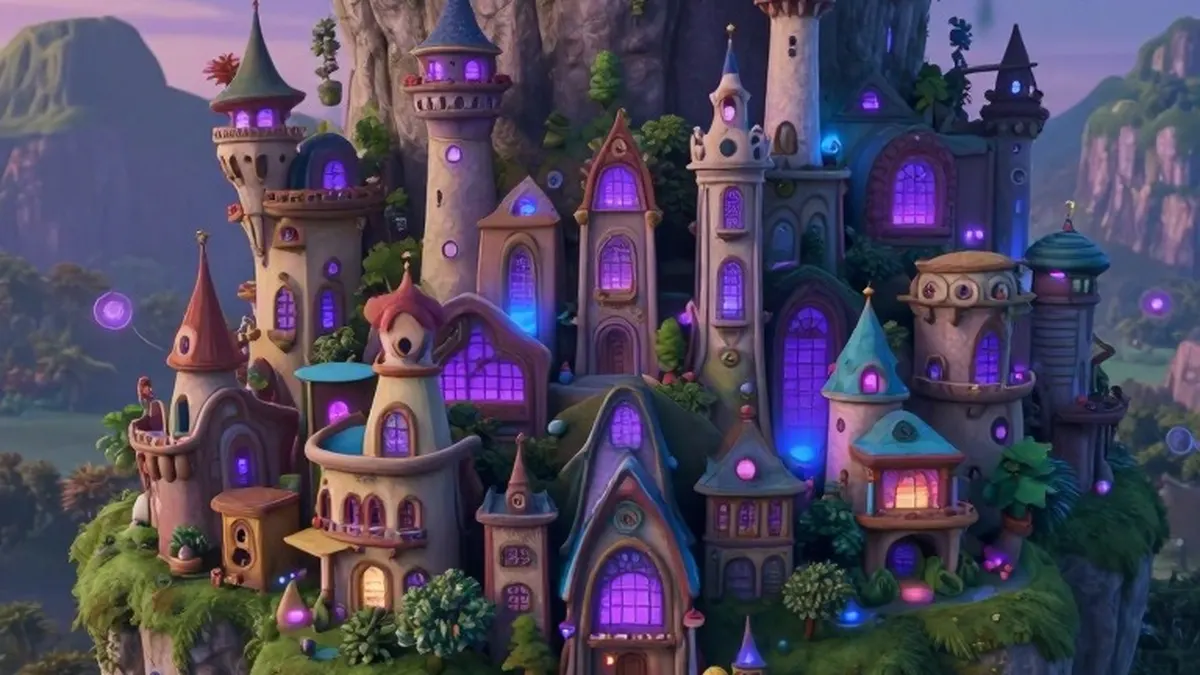
Visually, the world of Hexe is vibrant and was brought to life by a team of over 700 artists. In some sequences, up to 40 people worked simultaneously. Veerasunthorn described the animation style as pushing boundaries to create a world filled with characters audiences had never seen before. The aesthetic was intended to evoke the feeling of a crisp autumn day after rain, a perfect environment for magic to thrive.
Producer Roy Conli credited production designer Lorelay Bové for creating a unique visual identity. The textures in Hexe are deliberately heightened to feel like caricature drawings, making the world enticing to Billie. Hand explained that every design decision was filtered through Billie's perspective, asking what she would want to see and what the world represents to her internally. This journey eventually brings her mother into the fold, adding complexity to the plot.
Casting was a critical component of the production. Hand recalled seeing Steinfeld in True Grit and The Edge of Seventeen, noting her ability to portray troubled teens with contentious relationships with their mothers. Her specific voice quality and micro expressions proved perfect for the role, with animators even capturing her particular mannerisms. Rashida Jones was chosen for her ability to bring comedy to an uptight mother, creating a beautiful sense of vulnerability.
Jodie Foster voices Queen Celeste, a sinister ruler determined to maintain her power. Conli noted that Foster had never played a villain before and delivered a phenomenal performance as this narcissistic witch. The cast also includes Walton Goggins as Beef Roger Krumchuk, a three-eyed cat, whose performance added significant comedy and personality to the film.
The film is filled with Easter eggs for long-time Disney fans. Viewers can spot Aladdin's magic carpet in Billie's bedroom and a floating head fortuneteller that references The Haunted Mansion. Mother Gothel from Tangled appears in a brief moment, while Hand highlighted Cursula, a nod to Ursula from The Little Mermaid. Jodi Benson, who voiced Ariel in the original film, provides the voice for Cursula, bringing a complete twist to the character.
One of the most special scenes for the producers involves dancing brooms, a direct reference to the Sorcerer's Apprentice segment in Walt Disney's Fantasia. Merino and Conli agreed that this sequence honors the studio's legacy and connects the new story to the rich history of Disney animation.