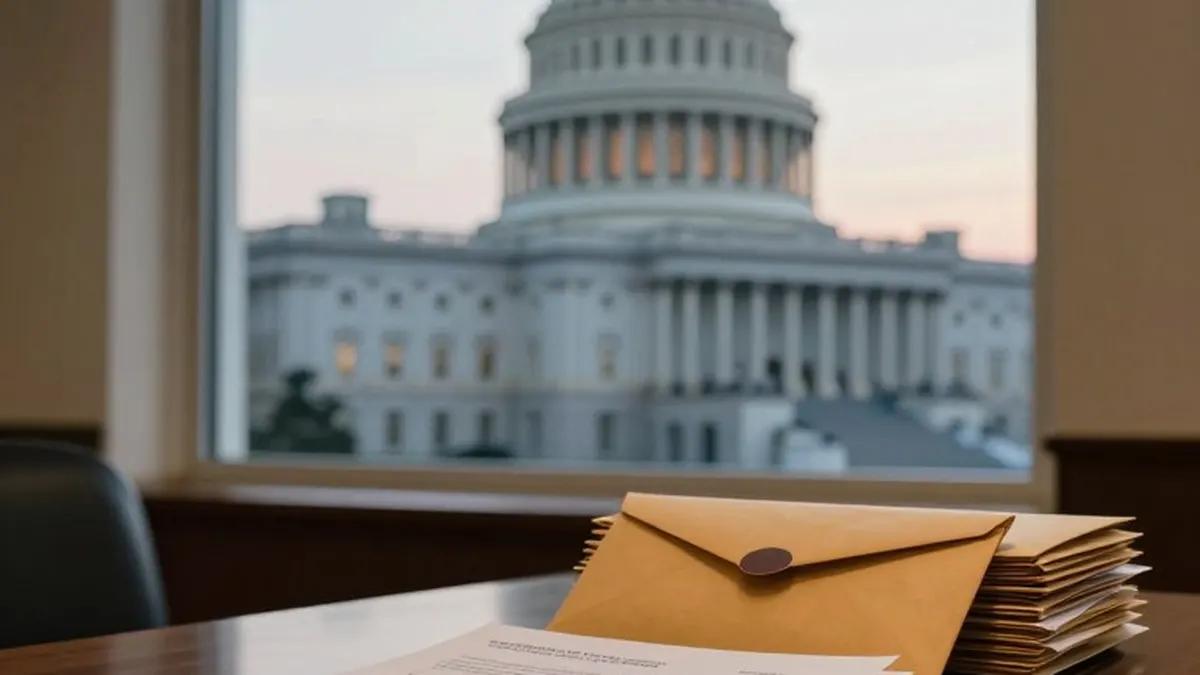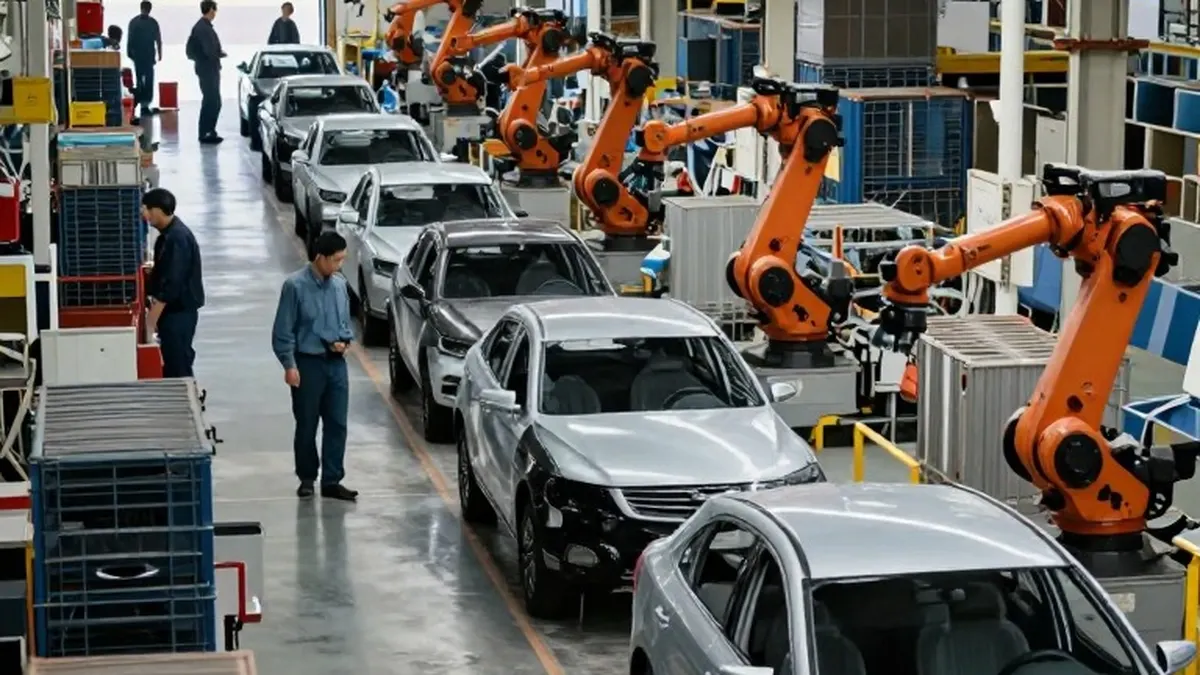
A senior Honda executive warned on Tuesday that the auto industry would face a "catastrophic" situation if the United States and Canada fail to strike a new trade agreement before the year ends.
President Donald Trump has threatened to raise tariffs on Canadian vehicles and parts from 25% to 50% starting Jan. 1 if the two countries do not reach a deal. Jennifer Thomas, senior vice president of corporate affairs at American Honda Motor Co., spoke at a Reuters automotive conference in Detroit. "That really would be catastrophic for the entire industry," she said.
Thomas said the best outcome would bring Mexico into the arrangement, producing a three-country accord similar to the United States-Mexico-Canada Agreement, known as USMCA. Trade groups representing Honda and every major player in the U.S. auto sector have pushed for that broader pact and opposed separate two-country arrangements.
Her remarks follow an announcement made months ago by U.S. Trade Representative Jamieson Greer, who said the United States would not automatically extend the USMCA. That decision shifted the pact into an annual review process rather than a 16-year trilateral extension.
Trump negotiated the USMCA during his first term as a replacement for the North American Free Trade Agreement, and it took effect in 2020. He later turned against it, accusing Canada of "ripping off the United States of America for years."
Despite the threat, Thomas said she is "cautiously optimistic" that cooler heads will prevail and the tariff increase, which Trump raised in August, can be avoided. She pointed to recent reports that Washington and Ottawa have restarted trade talks, including discussions about easing levies on critical materials such as aluminum.
"Our message has been clear: We need that trilateral agreement to stay in place in order for the U.S. industry to be competitive," Thomas said. "It's integral to our success."
Honda is the second-largest vehicle producer in Canada, behind Toyota Motor. Many auto officials have raised concerns about the absence of a North American trade deal and the uncertainty around tariffs, given how many parts routinely cross borders during vehicle production. Honda says more than 60% of the vehicles it sells in the U.S. are built domestically at several American assembly plants.
Thomas also lamented the position North America now finds itself in. "I never thought I would see the North American region be put at a disadvantage like this," she said, noting that some overseas countries have secured better tariff rates. The Trump administration has reached deals with Japan and South Korea, both major vehicle exporters to the U.S., that set tariffs on vehicles at 15%.