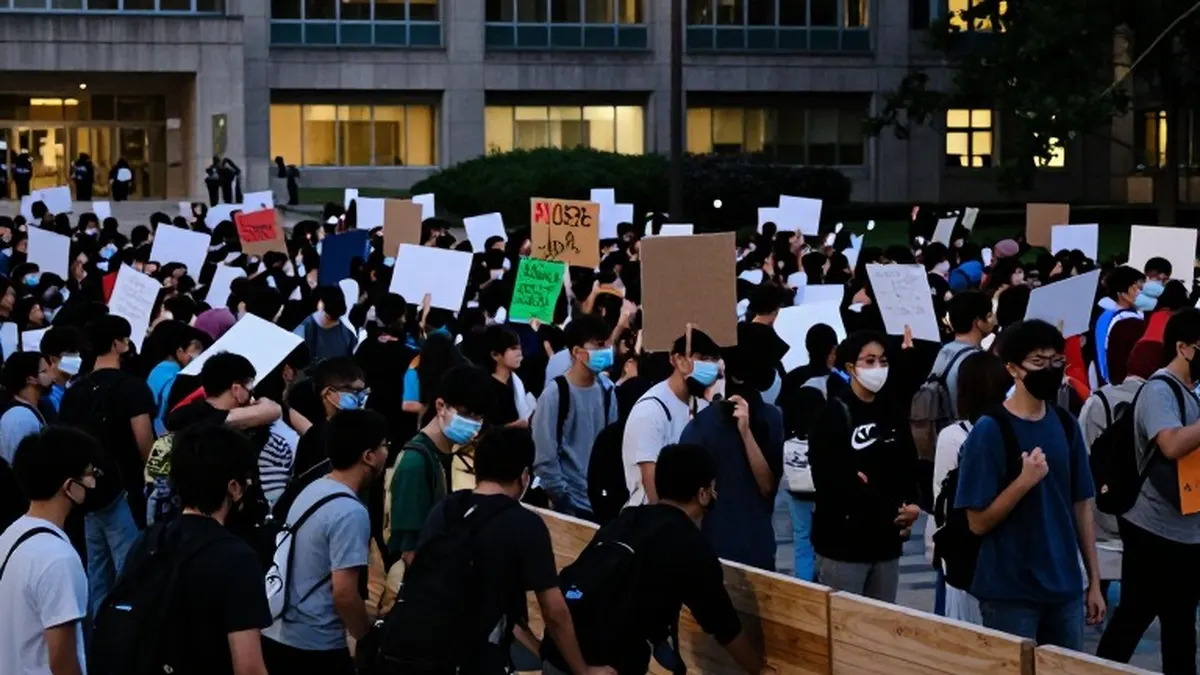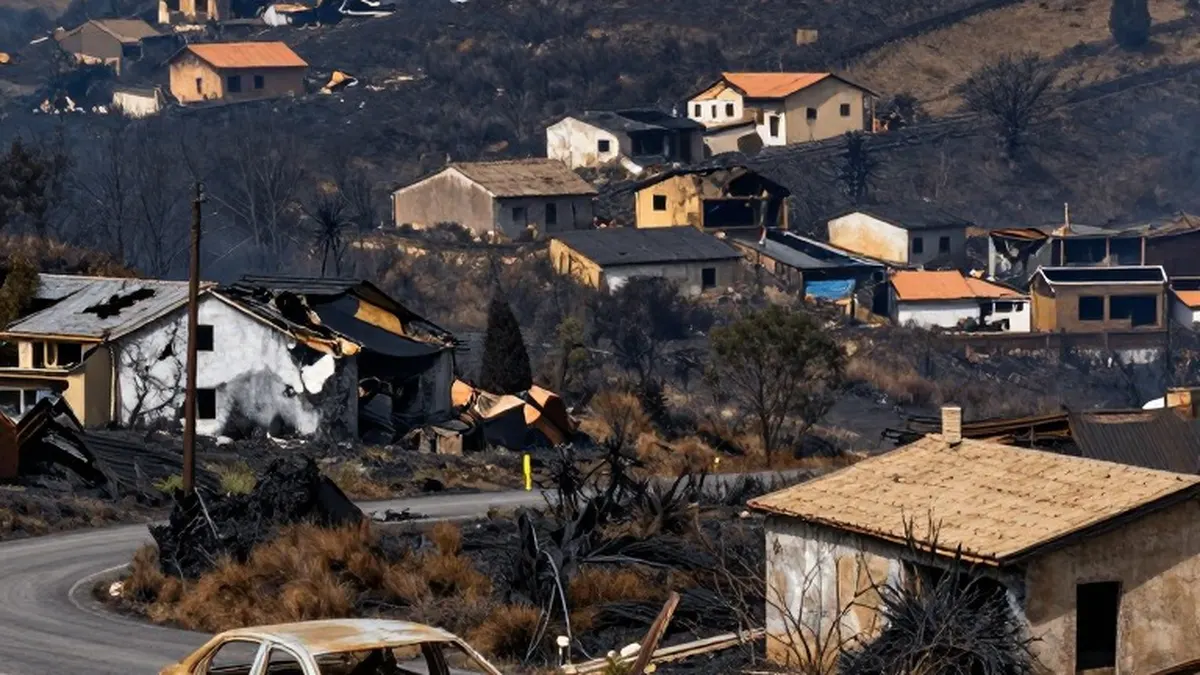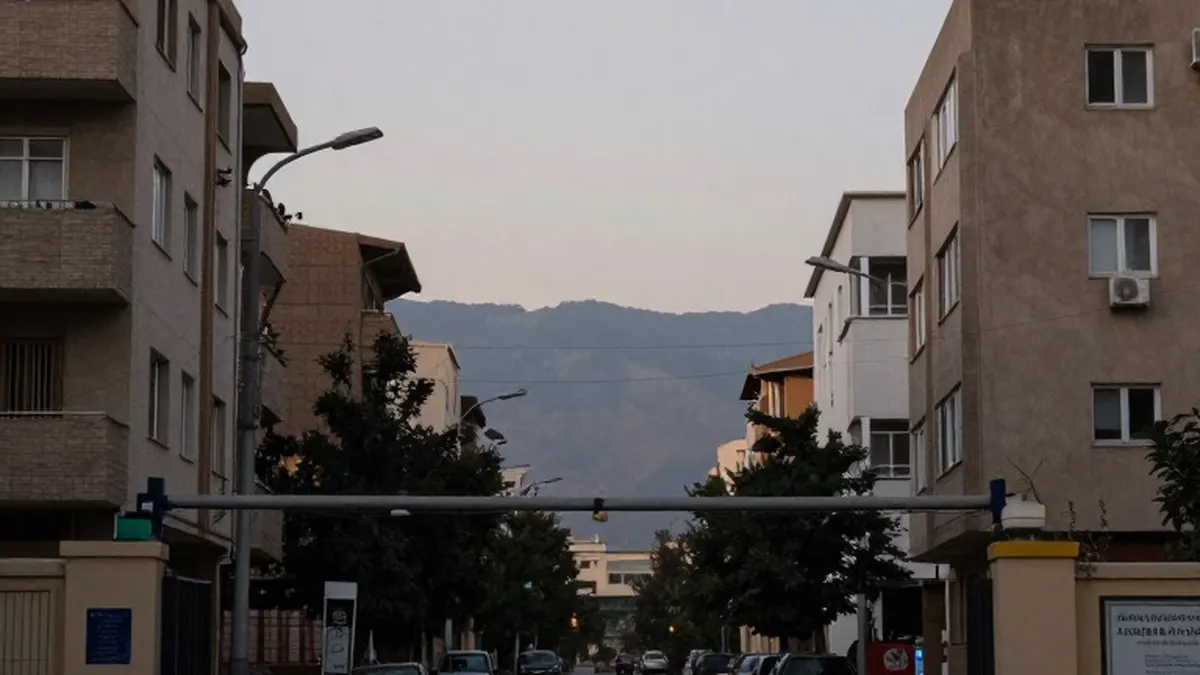
A 37-year-old mother in Tehran described an atmosphere of unrelenting anxiety. "There is a constant sense of fear in the air," she told DW, adding that she flinches at every loud noise and jumps even when a door slams, fearing bombs are falling. Unlike in the opening months of the war, her children have now returned to school. She said keeping them home out of fear was not a workable answer, noting they would go stir-crazy in the family's small apartment.
Schools across Iran have stayed open despite the military standoff with the United States and Israel. Yet some parents with children in private schools say they have received messages outlining what to do if war resumes or another emergency strikes, and numerous parents have posted such messages on social media.
Iran's Education Ministry has sought to calm the public. "People should not pay attention to rumors spread with the aim of sowing fear and forcing schools to close," ministry spokesperson Ali Farhadi said in a recent media interview. He said the ministry, in coordination with security authorities, would decide whether schools remain open and would reassess the situation if the security outlook changes.
Even as officials urge citizens to ignore alarming rumors, state media themselves have raised the specter of a nuclear attack. On November 2, Iranian state television aired an advisory on protective measures in the event of a nuclear strike, telling people to stay in a shelter for at least 24 hours.
Many Iranians fear the United States is preparing to use nuclear weapons against the underground bunker known as Pickaxe Mountain, located about 220 kilometers (130 miles) south of Tehran near the Natanz nuclear facility. US President Donald Trump has hinted at attacking the site without explicitly mentioning nuclear weapons, while Iran's government denies that any work tied to its nuclear program takes place there.
The fighting between Washington and Tehran has largely faded in recent months as the Trump administration concentrated on the midterm election. But on November 5, two days after the vote, the US outlet Axios reported that the American military was making final preparations for a possible resumption of large-scale strikes against Iran.
Hamidreza Azizi, the International Crisis Group's consulting senior Iran analyst, wrote in response to DW questions that it remains difficult to assess what the midterm results mean for the war. He said Iran's government views the outcome as a victory, believing its resistance contributed to Republican losses, and some in Tehran are framing the result as revenge for the US-Israeli assassination of senior Iranian leaders early in the war. Against that backdrop, Azizi expects Iran to take an even harder line on its core demands. He added that Trump has at least two months before the new Congress takes office and could resume strikes to offset a domestic setback with a foreign policy victory.
Qatari mediators are meanwhile pressing both governments to agree on a draft peace deal, hoping to prevent another escalation and restart direct talks in the coming days. Yet even well-connected Iranian journalists say they know little about the substance of the negotiations, which are closed to the public.
"Domestic media outlets are completely in the dark about negotiations that directly affect people's everyday lives," Iranian journalist Hadi Mohammadi wrote on X on October 31, lamenting that local reporters must wait for Axios, Al Arabiya, Al Jazeera and other international outlets to break news. In such an environment, he wrote, developing their own narratives and doing journalism becomes pointless.
With the fog of war showing no sign of lifting, some Iranians have simply stopped following the news. A 72-year-old retired woman from western Iran told DW she now avoids it deliberately. "I hardly have the strength to think about it anymore," she said. "I'm just glad that my three children have emigrated."