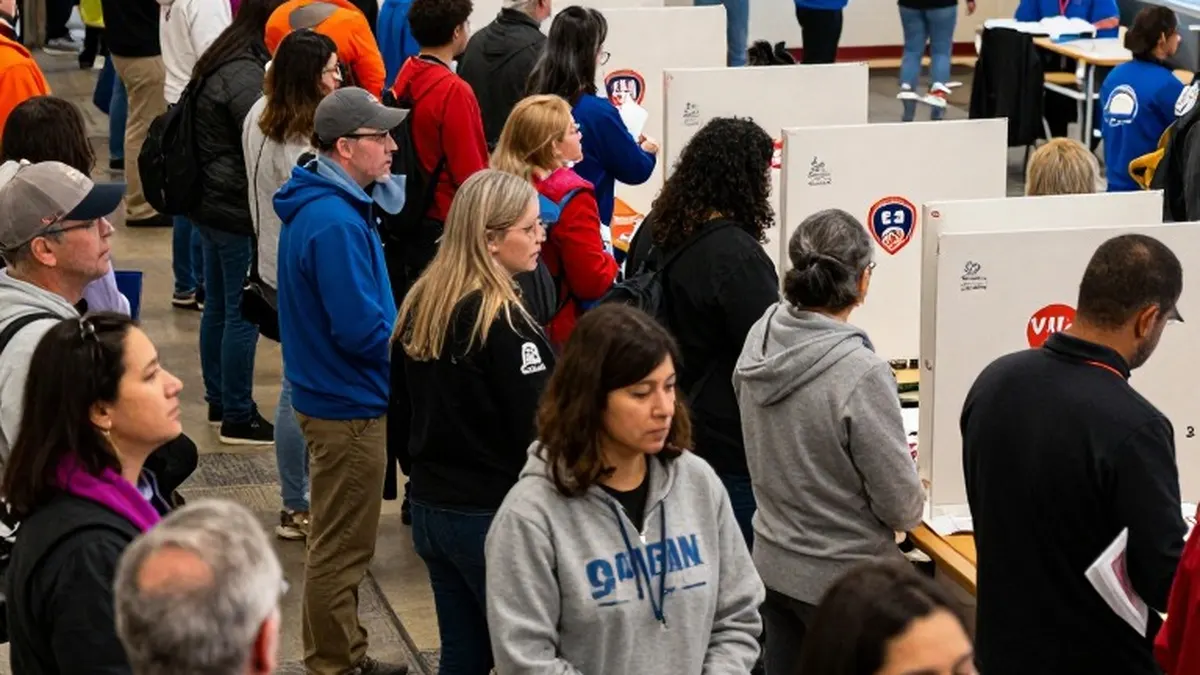
As voters cast their ballots and results begin to trickle in for the 2026 elections, the task of declaring winners in hundreds of contests is underway. The election cycle includes 435 races for the U.S. House of Representatives, 35 Senate seats, and 36 gubernatorial contests, in addition to thousands of state legislative seats and various ballot measures. To navigate this complex landscape, NPR has maintained a long-term partnership with the Associated Press to ensure that race calls are made with the highest degree of accuracy.
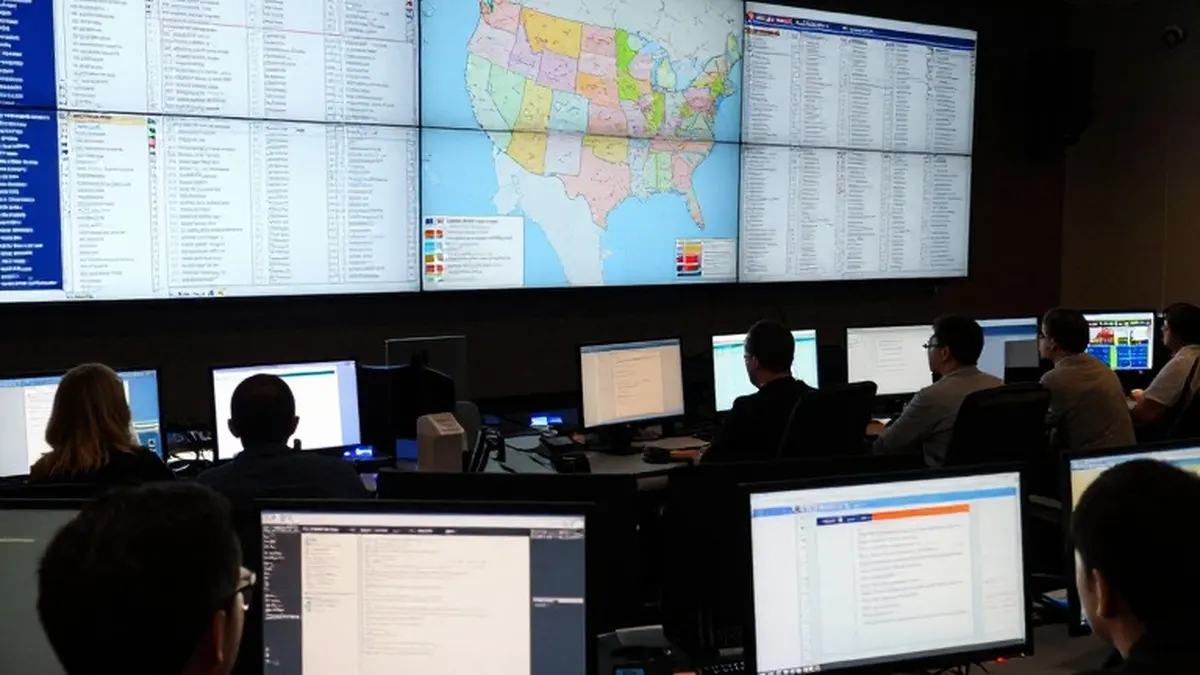
The Associated Press has been involved in calling races since 1848, and its methodology remains rooted in a straightforward yet rigorous process. AP race callers work closely with analysts who specialize in statewide races, including those for the Senate and governor, as well as House elections. For major contests involving the presidency, Senate, and governorships, as well as significant House races, decision editors on the AP Decision Team provide final sign-off on every call.
The analysis extends far beyond simple vote totals. AP staff examine incoming votes county by county. Where data permits, they also break down the count by ballot type, distinguishing between votes cast in person at polling places and those submitted in advance by mail or in person. The team maintains constant communication with AP’s vote count staff to track exactly how many ballots have been processed and how many remain outstanding.
Once the volume of remaining ballots is known, AP staff begin calculating the likelihood of a winner based on several factors. These include the geographic origin of the outstanding ballots, the demographic makeup of the communities where those votes are pending, and even the specific methods individuals used to vote. This granular approach allows the team to assess whether a candidate can realistically overtake the current leader before the count is complete.
A common question arises regarding how a race can be called before 100% of the votes are counted. The AP has clarified that its calls are not predictions or based on speculation. Instead, they are declarations grounded in the analysis of vote results and other election data. A race is called when a clear winner emerges and no other candidate has a viable path to victory once all votes are tallied.
This mathematical certainty is the guiding principle of the AP’s process. The organization does not project races or name likely winners. It waits until there is complete confidence that the trailing candidates can no longer win. This commitment to surety, even if it means delaying a call, is a key reason why hundreds of news organizations, including NPR, trust the AP’s race calls.
NPR adheres to strict ethical guidelines in its coverage. The network will not call a race solely because a candidate declares victory or based on a concession speech. This mirrors the AP’s stance, which avoids speculation if the margin is too close to determine a definitive winner. A notable example of this caution was the 2000 presidential election, where the AP did not call the Florida race between George W. Bush and Al Gore due to the narrow margin.
When the AP does make a call, it supports the decision with transparent reporting that details the research and analysis behind the conclusion. This explanatory journalism is a hallmark of the organization’s election coverage. For NPR, the election night coverage is just the beginning. The network will continue to track results in real time, using AP data to populate its digital platforms and inform its broadcast and member station audiences.
As the counting process continues, which can take some time, NPR will provide ongoing coverage of how the 2026 election shakes out. The network will monitor the balance of power in both the Senate and the House of Representatives, ensuring that viewers and listeners have a clear understanding of the political landscape as the final results are determined.