Brazil's president, Luiz Inácio Lula da Silva, won a runoff on Sunday against senator Flávio Bolsonaro after finishing second in the first round three weeks earlier. Analysts say it is the first time in the country's democratic history that a second-placed candidate has reversed a first-round loss in the runoff.
After the first round, Lula reportedly told allies he could not understand how he had come second after leading what he considered the best government of his three terms. Dismay spread across the Brazilian left. About 9 million voters had backed other candidates, all on the right, and most were expected to move to Bolsonaro, so analysts widely treated his victory as certain.
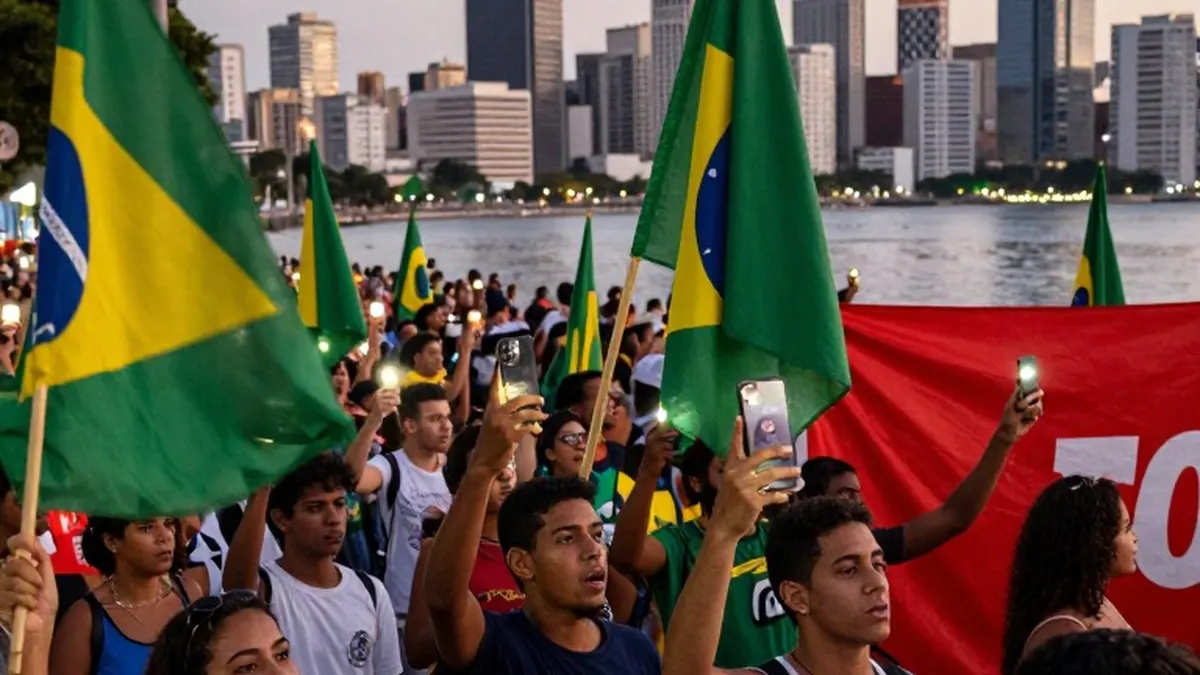
The mood began to shift the night after the vote, when students from the Fluminense Federal University marched in Niterói, across Guanabara Bay from Rio de Janeiro. They protested against the prospect of a Bolsonaro family member returning to power. The candidate's father, former president Jair Bolsonaro, is under house arrest for attempting a coup. Two days later another student protest filled downtown Rio, and similar demonstrations followed across the country. Analysts and Lula himself say they revived his campaign. In his victory speech he thanked the young people who "took to the streets to defend democracy."
Political scientist Fábio Vasconcellos, of the Federal University of Paraná, credits a mix of street mobilization, social media and the machinery of government. In recent weeks Lula approved a package of benefits at the limits of what electoral law allows, including larger and earlier payments from the main cash-transfer programme for poor families. "The streets and social media almost overlap," Vasconcellos said.
Online, congressman André Janones, a Lula ally, launched a WhatsApp channel called "Lula's Army" two days after the first round. He sent audio messages, videos and dozens of daily instructions on making pro-Lula content perform well. The channel had 60,000 followers after one day and more than 10 million by election Sunday, and Lula's digital reach overtook Bolsonaro's. Lula called Janones "our general" in his speech. Janones was hospitalized last week after a 24-hour YouTube live stream on the eve of the vote, the only day the channel went silent. The campaign also overhauled Lula's online communications. He began recording selfie videos despite not owning a mobile phone, and said on Sunday he had been given one and would speak directly to Brazilians many times a day.
Political scientist Camila Rocha, who studies Brazil's new right, said the result reflected a broad rejection of the Bolsonarista project. Her interviews with undecided voters since May showed clear fear of losing rights and of power being concentrated in Bolsonaro's hands, so even some who disliked Lula backed him. Bolsonaro also faced controversy, including remarks that he would use a more conservative congress to change the constitution and "re-democratise" Brazil, and two federal police inquiries over alleged corruption and money laundering.
The numbers show the shift. Bolsonaro won 56.1 million votes in the first round and added 3.7 million in the runoff. Lula rose from 53.9 million to 64.2 million, a gain of more than 10 million that came from bringing out voters after historically high abstention and from winning over supporters of other candidates, including Bolsonaro.
Many analysts also stress Lula's personal weight. Political scientist Helcimara de Souza Telles said that with another candidate, Bolsonaro would already have won in the first round. Campaign manager Marco Aurélio de Carvalho said without hesitation that the difference was "President Lula," calling him a great statesman and a star player.
Attention on the left now turns to succession, since Lula, who turns 81 on Tuesday, has said this was his last election. Rocha called it a very big challenge, noting that no one in his party has comparable leadership. Vasconcellos said the campaign offered the left a chance at renewal and that the party could find better ways to connect with young and urban voters who feel unheard.