The Israeli military announced on Monday, November 2, that it was withdrawing from a Hebron neighborhood where its operation had displaced at least 2,000 Palestinians. The announcement followed military recommendations to allow residents to return and a High Court of Justice petition challenging the evacuations, building demolitions and movement restrictions.
Prime Minister Benjamin Netanyahu had rejected IDF Chief of Staff Lt.-Gen. Eyal Zamir’s recommendation to leave the area before the election. By Sunday or Monday of the previous week, the military was already saying it had inspected the relevant locations and saw no clear military reason to stay. The Jerusalem Post reported on Thursday that a withdrawal could begin as early as the weekend, although the decision remained uncertain.
The operation followed a deadly Hamas attack on a Friday morning. The military said the attackers were connected to a broader Hamas clan in the neighborhood, but did not present concrete evidence linking most of those evacuated to specific crimes. Asked how many displaced clan members had records connecting them to terrorism or rock throwing, multiple military sources appeared unable to provide specific information.
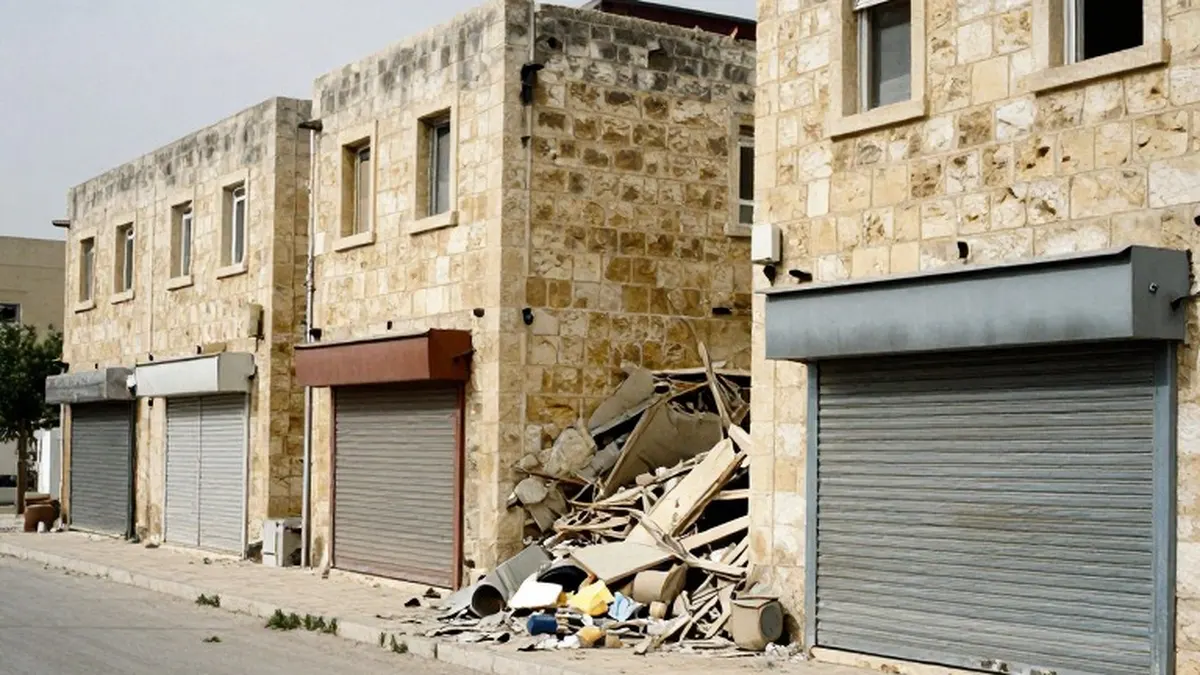
The IDF also said it demolished illegally constructed buildings that could hinder security operations, without clearly explaining the operations or why entire structures needed to be removed. The circumstances differed from evacuations in Jenin, Tulkarm and Nur al-Shams in early 2025, which displaced nearly 40,000 Palestinians. Those operations followed years of documented militant activity, temporary evacuations and efforts involving the Palestinian Authority against organized armed groups.
Adalah filed its petition last Thursday on behalf of Hebron’s municipality and seven residents. It sought an immediate halt to further evacuations and demolitions, the return of displaced residents and safe access for medical personnel, emergency vehicles and municipal workers. The filing alleged that movement restrictions were preventing residents from reaching essential services.
According to the petition, troops used loudspeakers to order families out of homes in western Hebron’s Ein Deir Baha and al-Jalda neighborhoods between approximately 12:30 a.m. and 1 a.m. on October 23-24. Residents allegedly received little time to prepare and no timetable or conditions for returning. Some families spent the night outdoors, and some could not take their vehicles. Updated municipal figures cited in the filing put the affected population at 780 families, potentially totaling 4,969 people.
The petition further alleged that soldiers converted some homes into military positions, demolished civilian buildings and ordered traders to clear merchandise at short notice. It said restrictions impeded ambulances and medical access. Municipal figures cited in the filing indicated that blocked collection routes had left about 1,200 tons of rubbish accumulating across Hebron by Wednesday.
Adalah argued that the scale and indefinite duration of the displacement violated international humanitarian law, and that broad references to security did not justify residential demolitions. It also alleged collective punishment, citing official statements linking the measures to punishment for the shooting. The Association for Civil Rights in Israel separately demanded residents’ return, an end to movement restrictions and a halt to punitive demolitions.
In an initial ruling last Friday, Justice Gila Canfy Steinitz ordered the state to respond to the petition. She also said she expected authorities to preserve the existing situation and refrain from demolishing additional buildings until a further decision.